The IUD paradox nobody warns you about
You chose a hormonal IUD because it was supposed to be set-and-forget birth control. Nobody told you it might also set-and-forget your libido. Between 15 and 25 percent of IUD users report decreased desire in the months after insertion, and it's not in your head. The progestin released by devices like Mirena, Skyla, and Kyleena travels straight to your bloodstream, which means it's doing something very real to your brain chemistry and your arousal system.
Here's what I've learned from years of working with people navigating this shift: the pleasure doesn't disappear permanently. It gets muffled. And with the right approach, you can unmute it.
What a hormonal IUD actually does to desire
A hormonal IUD releases a small amount of the synthetic progestin levonorgestrel directly into your system over time. This is different from systemic birth control (the pill), which affects your whole body all at once. The IUD is localized, but the effects aren't.
Progestin dampens dopamine. That's the neurotransmitter responsible for reward, motivation, and that initial spark of "I want to have sex." A drop in dopamine doesn't mean you can't enjoy sex once you get going. It means the internal invitation to start feels quieter.
Hormonal IUDs also shift estrogen slightly, which can reduce vaginal lubrication and clitoral sensitivity. Not dramatically, but enough that what used to feel electric now feels muted. Some people describe it as watching pleasure through a window instead of living it.
Most importantly: this is temporary. The effects peak in the first three to six months and often settle down after that as your body adjusts. If you're still struggling at month nine, that's different data than month two.
Why your usual approach stops working
Before the IUD, maybe a thought about your partner, a particular fantasy, or even just time alone was enough to get you interested in sex. Now that same thought lands with no spark. You might feel frustrated, even broken.
You're not. You've just got a reduced supply of the chemical that creates that spark. It's like someone turned down the volume on a song you love. The song is still good. You just need to turn the speakers up.
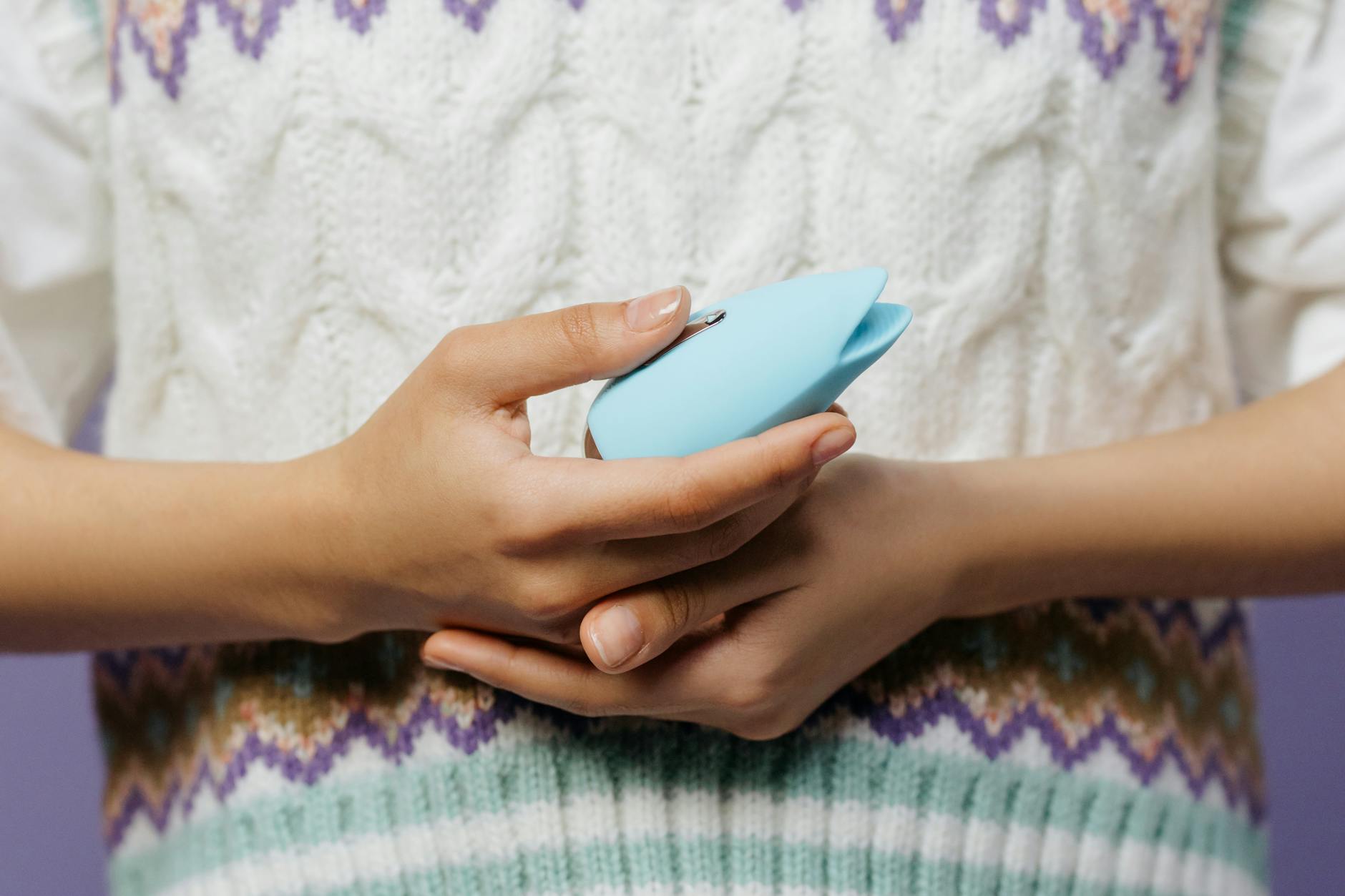
This is where clitoral vibrators, especially air-suction devices like the Lemon, become genuinely useful. They bypass the motivation problem entirely. You don't need dopamine to enjoy physical sensation. A Lemon vibrator creates direct stimulation that can feel intensely pleasurable even when desire is flagging.
How to restart arousal after IUD insertion
The strategy here is different depending on whether you're flying solo or with a partner.
For solo pleasure: Start with the Lemon on its lowest setting while you're lying down, fully clothed or partially, with zero performance pressure. The goal isn't orgasm (that might come easily, or it might not). The goal is simply to remember what pleasure feels like. Ten minutes is enough. The Lemon's suction pattern works well here because it's not reliant on the neural response that progestin dampens. It creates sensation independent of your internal arousal state.
With a partner: This conversation is crucial. "I'm on a hormonal IUD and my body is adjusting, so I need things to be slower and more direct than before" is complete and honest. Ask your partner to focus on clitoral stimulation before anything else. Extended foreplay (15-25 minutes instead of 5) gives your body time to catch up. Many people find that pairing partner touch with a clitoral vibrator like the Lemon creates the physical sensation their brain isn't signaling for yet.
The dopamine reset: Novelty bumps dopamine. New positions, new spaces, different times of day, or introducing a toy you've never used before all create a small dopamine hit. You're essentially hacking your brain chemistry while the IUD settles in.
What to expect in the first year
Month one to three: Arousal is probably lowest. If you're going to feel the full impact, it's now. Don't panic. This is normal, and it's temporary.
Month four to six: Your body is adjusting to the progestin. Desire often starts creeping back, though maybe not to pre-IUD levels. This is when clitoral vibrators become particularly valuable because you're not fighting as hard against your chemistry anymore.
Month seven and beyond: Most people report their libido stabilizing somewhere between where it was before the IUD and the lowest point after insertion. For many, it returns nearly all the way. For others, it settles at a new baseline that's slightly lower but still completely workable.
If you're at month nine and still at month-two levels of desire, that's worth discussing with your doctor. A small percentage of people don't adapt well to hormonal IUDs, and there are other options.

Photo by Ron Lach on Pexels
Why lemon clitoral vibrators work better than you'd expect
A lemon clitoral vibrator uses air-suction technology to stimulate the clitoris without direct friction. This matters for two reasons when you're dealing with IUD-related arousal changes.
First, it works regardless of your internal arousal state. A traditional vibrator requires some baseline sensitivity and arousal to feel good. A suction-based device like the Lemon creates pleasure through mechanical stimulation, which means it can feel amazing even when your dopamine is low and your natural lubrication is reduced.
Second, suction creates a cumulative sensation. It builds slowly, which gives your brain time to catch up. Many people find that after five to ten minutes with a lemon clitoral vibrator, their natural arousal kicks in and the experience deepens. You start out using a tool to create sensation, and you end up actually present in your body.
Start on pattern 1 or 2. Let yourself enjoy it for however long feels good, with zero goal of reaching orgasm. If you reach one, great. If not, you've still reminded your body what pleasure feels like, which is half the battle.
The partner conversation that actually helps
Between you and me, most people with partners don't tell them about the IUD's effect on desire. You might think it's temporary so why worry them. Or you worry they'll take it personally. Or you're embarrassed that your body is acting differently than it used to.
Here's what I've seen work: "I'm noticing my body's responding differently since the IUD. I still want you. I might just need us to slow down, spend more time on foreplay, and it'll probably help if we use a vibrator. This isn't about you. It's about me adjusting to something that's genuinely shifting my chemistry."
That conversation also opens the door to actually enjoying intimacy instead of performing it. Many couples find that slowing down and introducing tools makes sex feel better overall, even after the IUD adjusts.
When to seek help
If you're at month twelve and desire still hasn't returned, or if your relationship is suffering because of it, talk to your gynecologist or a sex therapist. Some people benefit from brief support with a therapist while adjusting to the IUD. Others find that a different contraceptive method fits their body better.
Hormonal IUD-related arousal loss is real, common, and not a sign that something is wrong with you. It's a chemical adjustment that usually resolves, and there are concrete tools and strategies that help you feel good in the meantime.
FAQ: Hormonal IUD and arousal
Does every hormonal IUD affect arousal the same way?
No. Mirena releases the most progestin over five years, while Kyleena and Skyla release less. Some people notice nothing. Others notice a lot. There's also variability in how sensitive your brain is to progestin specifically. You might have loved hormonal birth control before the IUD and hate this. That's okay. Your body's chemistry is individual.
Can I use a lemon vibrator with an IUD in place?
Absolutely. External clitoral vibrators like the Lemon pose zero risk to an IUD. The IUD sits in your uterus. Clitoral stimulation happens externally. There's no mechanical contact or risk of displacement. That said, avoid any vibrator inserted internally if your IUD strings are longer than usual or you're uncomfortable. External tools only.
How long does it take for arousal to return after an IUD?
Most people see improvement by month six, with significant recovery by month nine to twelve. Some recover faster. A few take longer. If you're not seeing improvement by month six, it might be worth checking in with your doctor or considering whether the IUD is the right fit for your body.
Will my desire ever return to pre-IUD levels?
For most people, yes, or close to it. For some, desire settles at a new baseline that's slightly lower but still satisfying. This doesn't mean your sex life is diminished. Many people find their pleasure is actually richer because they've learned to communicate about it and use tools that work for their body.
Is it normal to feel less arousal right after insertion?
Completely. The first week after insertion, your body is in minor trauma recovery mode. Add the hormonal shift on top, and arousal might feel completely absent. This usually improves within a few days to a couple weeks. If it's still gone at week four, that's when it's worth tracking carefully.
Should I tell my partner about the IUD affecting my arousal?
Yes. Not as a problem to solve together, but as information. "My body is adjusting to the IUD and I might need different things from us for a while" opens a conversation instead of closing one. Partners who know what's happening can actually help, whether that's giving you more foreplay, introducing a vibrator, or just giving you grace while you adjust.
Your pleasure matters, even when your chemistry is working against you
A hormonal IUD affecting your arousal isn't a personal failure. It's not a sign your body is broken or your relationship is stale. It's a documented, predictable shift in neurochemistry that most people adjust to over time. You have tools, strategies, and support available while you're adjusting.
Your pleasure deserves space and attention, especially when it's harder to access. Whether that's through exploring how arousal builds slowly with age or understanding how partner dynamics affect your desire, knowing what's actually happening in your body makes everything easier.
In the meantime, a lemon clitoral vibrator can be exactly what your body needs to remember pleasure while your brain chemistry catches up. Start low, be patient with yourself, and trust that this phase is temporary.
If you have questions about finding the right tools or want to talk through what you're experiencing, reach out. You don't have to figure this out alone.