Here's the thing about pleasure after 40
Your arousal doesn't switch off. It shifts gears. Most women in their 40s and beyond report that it takes longer to feel turned on. That's not dysfunction. That's your nervous system being more selective about what it responds to, and honestly, that's not a bug. It's a feature.
The problem isn't that arousal is slower. The problem is that most sex advice assumes you want the same pace you had at 25. You probably don't.
Why arousal takes longer (and why that matters)
Three things happen as you age. First, estrogen shifts. This affects blood flow and how quickly tissue engorges. Second, stress accumulates. You're managing more life. Your brain has to clear more noise before it can focus on pleasure. Third, you've had more sex, more disappointment, and more experience noticing when something feels off.
That last part is actually good. It means you're less likely to settle for mediocre touch or a partner who doesn't read your signals. Your body is being protective.
The thing is, slow arousal and deep arousal are not the same thing. A lemon vibrator works beautifully for slow builds because it doesn't require you to be already halfway there. It creates sensation from nothing. That changes the math entirely.

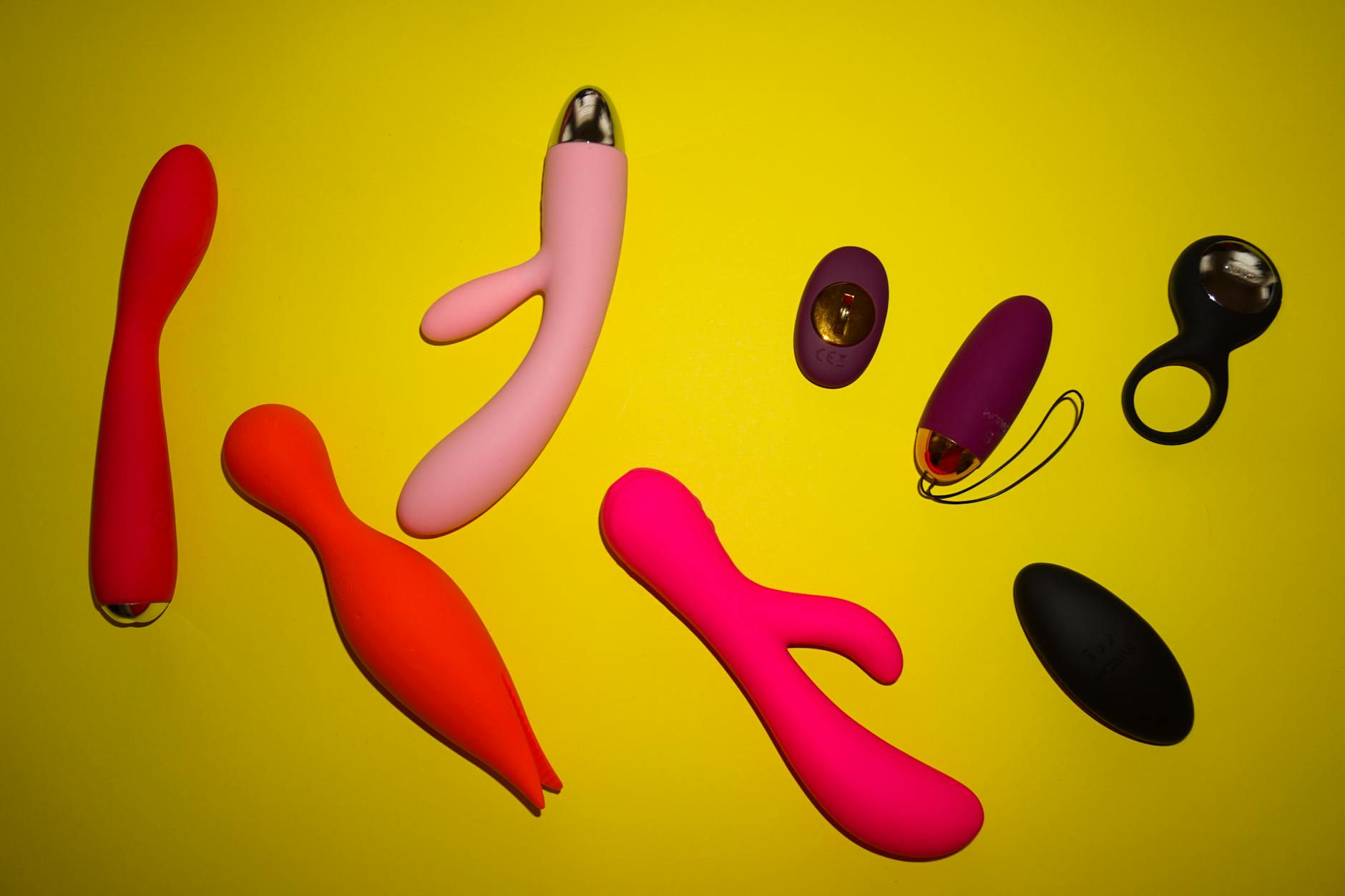
Photo by Madison Inouye on Pexels
The rhythm shift nobody mentions
When you were younger, arousal probably felt like a light switch. Off, then on. Now it feels more like a dimmer. And that's where most people get stuck. They expect the light switch. They get the dimmer. They assume something's wrong.
Nothing's wrong. Your body is just asking for different input.
A lemon clitoral vibrator is excellent for dimmer-switch arousal because suction stimulation works differently than friction or vibration alone. It pulls blood into the tissue rather than demanding it show up on a schedule. You can start at a low pattern and stay there for as long as you need. No pressure to speed up.
With a partner, this changes how you approach foreplay. Instead of "we have 15 minutes before sex," the frame becomes "let's spend 20-30 minutes just feeling what's possible." That's not longer foreplay. It's better foreplay.
Building arousal in layers (the actual technique)
Here's what works best when arousal takes time:
Start before you think you're ready. Begin exploring sensation 10 minutes before you think you'll feel aroused. Use patterns 1 or 2 on a lemon vibrator. You're not trying to orgasm yet. You're training your body to wake up. This sounds weird, but it's powerful. You're giving your nervous system advance notice.
Stay with gentle stimulation through the transition. Once you feel the first pulse of response, don't rush into stronger patterns. Linger in the feeling. Use a water-based lubricant to reduce any friction that might create discomfort. Your tissue is probably thinner than it was at 30, so lubrication matters more now, not less.
Build in layers. Move from external play to internal (if that appeals to you) only after your body has warmed up for several minutes. This layering means arousal has time to compound. Each layer adds to the sensation rather than replacing it.
Let patterns work for you. If you're using a lemon vibrator, the suction patterns create their own momentum. You don't have to "add" intensity through your own effort. The toy does the building. That's its whole design.
Partnered sex when arousal is slower
If you have a partner, the slowness becomes a feature, not a problem. It means foreplay stops being an appetizer and becomes the main course. Most people with slower arousal report that they want to stay in the foreplay phase longer anyway.
Talk about this timing before you get to the bedroom. "I know my arousal takes about 20 minutes now, and I like it better that way. Let's plan for that," is a sentence that solves so much friction. Your partner gets permission to take their time instead of feeling like they're doing something wrong.
Using a lemon sucker or lemon clitoral vibrator during partnered foreplay also removes some of the pressure. Your partner can use the toy while touching you elsewhere. You're getting multiple sensations at once, which actually speeds arousal even when the build is longer.
The mindset piece (because it matters more than you think)
Slower arousal often means your brain is in the way. Work, kids, money, the thing your mother said. This is actually where age gives you an advantage. You've lived long enough to know that your thoughts are just thoughts. They're not emergencies.
Try this: when you start exploring sensation with a lemon vibrator, name what you notice instead of judging it. "That feels tingly." "The suction is pulling blood in." "That pattern reminds me of..." Pure observation, no criticism.
This is the opposite of what you do during everyday life, where you're constantly evaluating and moving forward. During pleasure, evaluation kills the build. Description deepens it.
Why a lemon vibrator specifically helps with slow arousal
Unlike traditional vibrators that rely on consistent vibration, a lemon clitoral vibrator uses suction. That means it works with your body's natural response rather than against it. Blood needs to flow to create arousal. Suction invites blood in. Vibration alone sometimes feels like too much friction when tissues are thinner or less naturally lubricated.
The lem vibrator's design also means you can use it at lower intensities for longer periods without fatigue. You're not working harder. You're just being more patient with the process.
Timing your sessions for maximum arousal
When arousal is slower, timing matters. You're probably more responsive at certain times of day. For many people over 40, that's morning or early evening, not late night when exhaustion has set in. Experiment.
Also consider your cycle if you still menstruate. Arousal builds faster in some phases than others. If you've had a hysterectomy or you're fully post-menopausal, notice whether certain times of week feel better. Maybe it's when you're less stressed, or when your body is better rested.
This isn't rigid scheduling. It's removing one source of friction by working with your natural rhythms instead of against them.
When slow arousal is actually something else
If arousal has disappeared entirely rather than just slowed down, that's different. That can signal low testosterone, thyroid issues, medication side effects, or relationship friction. Those are worth talking to your doctor about. Slow arousal is normal. No arousal deserves investigation.
Similarly, if the slowness arrived suddenly, or if it's paired with pain, fatigue, or mood changes, loop in a healthcare provider. Menopause, perimenopause, medications, and health changes all affect arousal speed. You don't have to white-knuckle through this alone.
The reframe you actually need
Slower arousal isn't a countdown you're losing. It's extra time your body is giving you to enjoy the experience. You're not racing toward an orgasm anymore. You're building something. And that shift, from speed to depth, is often what makes sex better after 40, not worse.
A lemon vibrator or other clitoral vibrators help bridge the gap because they work with your pace instead of fighting it. Start early, stay patient, and give yourself permission to let pleasure build the way it wants to.