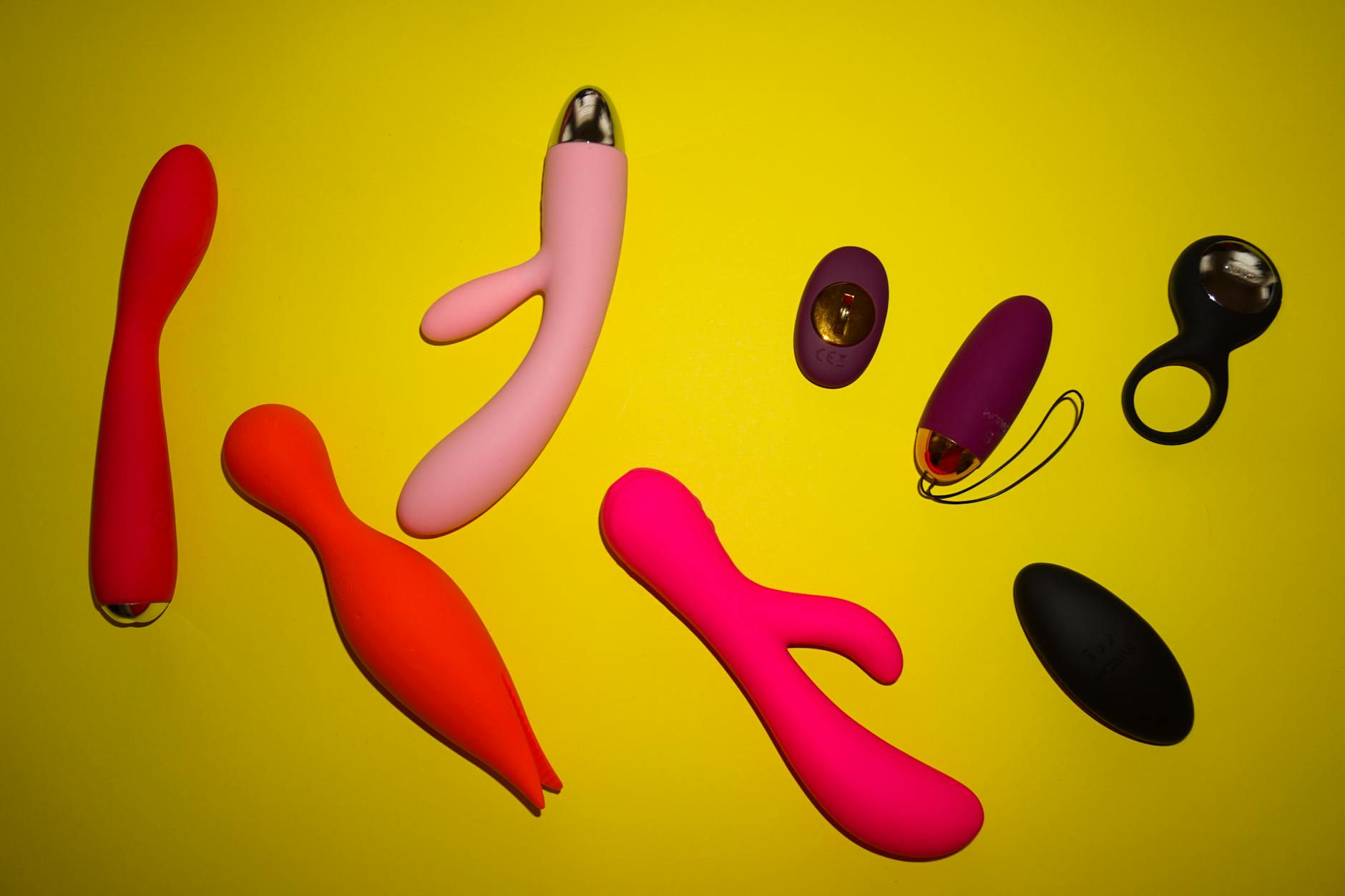
Here's what no one tells you about warm-up time
Your body doesn't move on someone else's schedule. If arousal takes you 20, 30, or even 45 minutes to build, that's not slow. That's normal. And that's actually where a lot of people get stuck with vibrators, especially if they've been told that clitoral stimulation should create instant results. A lemon clitoral vibrator works brilliantly for bodies that need time, but only if you stop treating warm-up like something to rush through.
Let's talk about how to use one when your body genuinely needs longer to get there.
Why some bodies need more time to warm up
It's not laziness. It's not broken wiring. Here are the actual reasons your arousal might build slower than you expect.
Neurological pace. Some nervous systems are naturally slower to activate. This isn't a flaw. It's wiring. If you're someone who takes time to settle into anything (falling asleep, getting into a book, warming up before exercise), your sexual arousal probably follows the same pattern.
Stress and mental load. A racing mind blocks arousal faster than anything else. If you're holding work stress, relationship tension, or even just the day's to-do list, your body won't prioritize pleasure until those baseline concerns feel contained. This is especially true for people with partners, where part of your brain is monitoring someone else's experience instead of sinking into your own.
Hormonal cyclicity. Even outside of menopause, where you are in your cycle matters. The luteal phase (second half) typically requires longer warm-up than the follicular phase. If you've noticed this pattern but didn't have a name for it, that's why.
Medication and health factors. Antidepressants, blood pressure meds, and a range of other prescriptions can genuinely slow arousal. It's not psychological. It's pharmacological. That doesn't make it less real, and it doesn't mean pleasure is off the table. It just means your timeline is longer.
Disconnection from your body. If you've spent years overriding your body's signals (pushing through fatigue, ignoring hunger, having sex when you weren't ready), your nervous system becomes quieter. It takes time and consistent attention to build that dialogue back.
The setup that matters more than the vibrator
A lemon vibrator is brilliant, but it's not magic. The environment and your mental space do more work than the device itself.
Time is your actual tool. Budget at least 30 minutes for pleasure when you know you need it. This sounds like a lot, but here's the math: 10 minutes of settling in, 15-20 minutes of warm-up (which might not involve the vibrator at all), and then 5-10 minutes with the lemon once your body is primed. That's not indulgent. That's realistic.
Reduce the cognitive load first. Put your phone in another room. Tell your partner you need uninterrupted time. Close the bedroom door. Your brain needs to know it's safe to let go of all the other things it's tracking. For some people, a playlist helps signal that transition. For others, silence works better. You know which one you are.
Temperature and comfort matter. Cold sheets kill arousal. Warming up your bed five minutes before you get in, or starting under blankets, gives your nervous system permission to relax. If you tend toward coldness, this is especially important. Your body won't prioritize pleasure if it's trying to stay warm.
Scent and texture are underrated. Some people respond strongly to one or both. If you have a scent that makes you feel good (candle, essential oil, your partner's cologne, fresh sheets), use it intentionally. Same with textures. Silk sheets, soft blankets, or high-quality cotton all signal to your brain that this is a different kind of time.
The warm-up ritual before any vibration
This is where most people skip steps and then wonder why the vibrator isn't working.
Start with your hands and attention, not the device. Touch yourself slowly. Notice what feels good without demanding it feel a specific way. This isn't performance. This is information gathering. You're reminding your nervous system what pleasure feels like before you add stimulation.
For bodies that warm up slowly, this phase might be 15-20 minutes alone. If that feels long, you're still thinking in someone else's timeline. For you, it's the necessary part.
Use touch on your whole body first, not just your genitals. Your neck, your inner wrists, the inside of your thighs, your breasts if you have them. These areas have nerve endings that respond to slow, light touch. They're like a dimmer switch for arousal.
Then move to your vulva, but keep the intensity low. Use your fingers to trace, not to intensify. You're warming up the tissue and building blood flow. This is preparatory work.
Only once you notice your body shifting (lubrication starting, genitals feeling heavier or more awake, your breathing changing) should you introduce the lemon vibrator.
How to introduce the lemon vibrator into your slow burn
Here's where the design of a lemon clitoral vibrator actually shines for bodies that need time.
A lemon vibrator (and other suction-style lemon toys) works through air-pulse technology, not traditional vibration. This means it stimulates through gentler, rhythmic suction rather than intense friction. For bodies warming up slowly, this is ideal because you can start at pattern 1 or 2, which is significantly gentler than what you'd get from a standard vibrator at low speed.
Start with the lowest setting. Place it against your clitoris and stay there for 30-60 seconds without moving it around. Let your nervous system register the sensation. Your body might need this quiet moment to wake up to this new input.
Then try very slow, small movements. Circles. Up and down, barely moving. You're not chasing an orgasm yet. You're inviting arousal to deepen.
If that doesn't feel right, move to a different pressure or pattern before increasing the intensity. Your body will tell you when it's ready for more. Listen to that signal.
Many people who need longer warm-up find that staying at patterns 2-4 for longer periods works better than racing through patterns. You're building arousal gradually, not trying to trick your body into a faster timeline.
The rhythm that works when you're slow to build
Here's something counterintuitive: bodies that warm up slowly often have the most intense orgasms when they finally get there. This isn't coincidence. Deep arousal builds depth.
Instead of trying to peak quickly, work with your body's natural cadence. Use the lemon vibrator in shorter intervals, then pause. During the pause, go back to your hands. Build the intensity in waves instead of a straight line.
Wave one: 2-3 minutes with the vibrator, then pause.
Wave two: Return to hand stimulation or a different sensation for 1-2 minutes.
Wave three: Back to the lemon at the same or slightly higher intensity.
Repeat this pattern until your body is clearly ready. You'll know because the pleasure will feel insistent, your breathing will shift, and the physical sensation will register as building toward something instead of just being nice.
This rhythm respects your natural pace instead of fighting it. And honestly? It usually produces better results than trying to force speed.
What to do if you hit a plateau
Sometimes arousal builds, then stalls. This is normal, especially for bodies that warm up slowly.
When this happens, change something. Not the vibrator's intensity. Something else. Change position. Change the pattern. Return to hand touch for a few minutes. Add mental input (think about something that specifically turns you on, not generic porn vibes). Change the pressure of the lemon against your body.
The plateau often isn't about the vibrator failing. It's about your nervous system getting used to one specific input. Novelty helps. Changing the variable reminds your body to stay engaged.
If nothing shifts after 5-10 minutes of trying different things, it might not be happening today. And that's okay. Pleasure on demand is a myth, especially for slower bodies. Sometimes your nervous system is too engaged elsewhere, or your body just isn't available. Stopping without judgment is part of respecting your timeline.
Communication if you have a partner
If you're using a lemon vibrator with a partner, the warm-up timeline matters more in the conversation than in the bedroom.
Tell them directly: "My body needs 30 minutes of warm-up time before I'm ready for stimulation." Most partners respond well to specific timelines instead of vague requests.
Then be clear about what warm-up looks like for you. Do you want touch from them? Do you want them present but not touching? Do you want them to use their own stimulation while you warm up?
This clarity prevents resentment. Partners often feel rejected when they don't understand that slow warm-up is about your nervous system, not about them. When you articulate the reality, it usually becomes shared time instead of waiting time.
People also ask
Is it normal to need 30 minutes or longer to get aroused?
Completely normal. Research suggests warm-up times vary widely across bodies and circumstances. Thirty minutes is not extreme. For some people, it's the standard. The myth of instant female arousal comes from porn and pop culture, not from physiology. Your body is working exactly as it should.
Will a lemon vibrator work if I need a long warm-up time?
Absolutely. Lemon vibrators are especially good for longer warm-ups because the suction technology allows for gentler intensity. You can stay at low patterns for extended periods without the vibration feeling repetitive or numb. The rhythm is naturally built for gradual building instead of instant intensity.
Should I use the lemon vibrator during warm-up or only after I'm aroused?
Both can work, but most people find better results introducing it after 10-15 minutes of manual warm-up. This gives your body time to recognize arousal before adding external stimulation. Some people, though, find that starting with the lemon at the lowest pattern helps their nervous system activate. Pay attention to what your body prefers.
Does anxiety about taking too long make arousal even slower?
Yes. The moment you start monitoring your warm-up time and worrying about it being too long, you've pulled your nervous system away from pleasure and into judgment. This creates a feedback loop where anxiety makes arousal slower, which increases anxiety. Break this by deciding in advance that your timeline is fine. You're not trying to fit into someone else's rhythm.
Can medication slow arousal, and is there anything I can do about it?
Some medications absolutely slow arousal as a side effect (SSRIs and SNRIs especially). Talk to your prescriber about whether changing timing or dosage might help. In the meantime, the strategies in this post become more important. Longer warm-up, gentler stimulation from a lemon vibrator, and removing time pressure are your best tools.
How do I know if slow arousal is about my body or my relationship?
This is important to distinguish. Notice whether arousal is slow in solo situations too. If it's slow across the board, it's likely neurological or hormonal. If it's only slow with your partner, there might be emotional or relational friction worth exploring. A good therapist who specializes in sexuality can help you figure out which one is true for you.
The pleasure that comes with patience
I work with a lot of people who've felt broken because their arousal doesn't match the cultural script. They're not broken. They're just on a different timeline.
The truth is this: bodies that need longer warm-up often experience deeper pleasure once they get there. You're not losing anything by moving slowly. You're actually accessing something most rushed encounters never reach.
A lemon clitoral vibrator gives you a tool that works with your pace instead of against it. The gentle suction, the multiple patterns, the ability to stay at low intensity for extended time. It's built for bodies like yours.
Stop treating your warm-up time as an obstacle. Start treating it as essential. When you do, pleasure shifts from something you're chasing into something you're building. And that changes everything.