
The thing nobody says out loud
You want it to feel more. But you're afraid it'll feel like too much. These are not the same thing, and the gap between them is where most of the pleasure lives.
Honestly, that anxiety is what stops a lot of people from using a clitoral vibrator like the Lem the way it's designed to work. You set it to a lower pattern, tell yourself it's fine, and then wonder why it doesn't feel like much. The vibrator isn't the problem. Your fear of intensity is doing the job of the off button.
What overstimulation actually is (and what it isn't)
First, let's separate real overstimulation from discomfort or unfamiliarity. Real overstimulation is what happens when nerve endings get so flooded with sensation that they shut down in self-defense. You lose pleasure. Your body tenses. It goes numb, or worse, starts to hurt. That's the state to avoid.
What overstimulation is NOT: a strong sensation. A tingling that surprises you. Feeling a lot of sensation at once. An intensity level that feels like "a lot" the first time you try it.
The confusion matters because it keeps people stuck in weak settings, thinking they're protecting themselves.
Why your nervous system needs a ramp, not a jump
When you jump from setting 1 to setting 5 on a lemon vibrator, your nervous system doesn't have time to calibrate. It's like turning on all the house lights at once in a dark room. Your pupils are still dilated. Your eyes hurt.
But if you start at setting 2, stay there for a minute or two until your clitoris wakes up, then move to 3, then to 4, something shifts. The sensation stops feeling chaotic and starts feeling good. Your body learns that more intensity can still be safe.
This is called nervous system titration, and it's the actual skill that matters.
How to build intensity without fear
Here's the practical step.
Start at pattern 1 or 2 on your Lem. Not because it's the "safest," but because it gives you a baseline. Spend 60 to 90 seconds here. Let yourself notice how it feels. Is your clitoris responding? Are you feeling arousal build?
Then move up one setting. Stay for another 60 to 90 seconds. Notice again. Does this feel better? Is it closer to what you want?
Keep going. One setting at a time. You're not racing to the top. You're finding the place where sensation stops being gentle and becomes genuinely pleasurable without tipping into overwhelm.
Most people find their sweet spot somewhere between settings 3 and 6. That's the range where intensity is strong enough to build toward orgasm, but not so strong that it scatters.
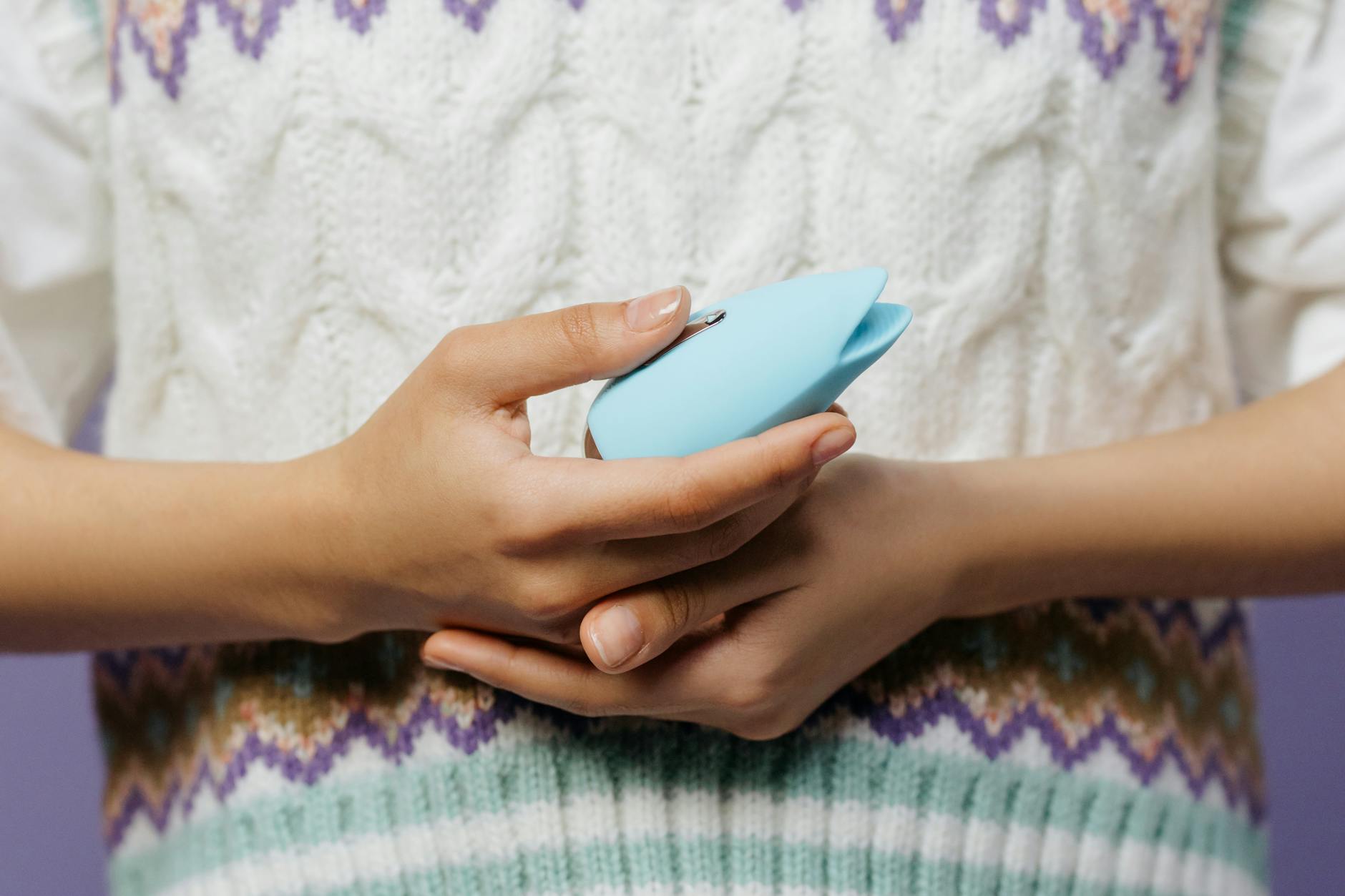
Photo by cottonbro studio on Pexels
The role of lubrication and angle
Here's what changes everything: where you place the vibrator matters as much as how strong it is. A lemon clitoral vibrator that's aimed directly at the clitoral glans at full intensity is a very different experience than one that's angled slightly off to the side at the same setting.
Lubrication also shifts things dramatically. A water-based lube under and around the toy reduces friction and allows the vibration to travel through the tissue differently. With good lube, you often need less intensity to feel a lot of sensation. Without it, the same setting can feel harsh.
So if you're worried about overstimulation, start with these two variables first: angle slightly away from direct contact, add lube, then build intensity. You might find that setting 3 with lubrication and angled contact feels better and safer than setting 5 without either.
What to do if you hit overwhelm
If you do overstimulate yourself, don't panic. Stop using the vibrator immediately. You haven't caused damage. Your nerve endings just need a break.
Spend 5 to 10 minutes in stillness. Touch yourself gently without the toy. Let your body reset. Drink water. Breathe slowly.
When you go back (and you will, because that's often a learning experience, not a failure), start lower than you did before. And this time, stay aware of the climb. The goal isn't to reach the highest setting. The goal is to find the setting where you feel the most pleasure without numbness creeping in.
Many people discover that their ideal intensity is actually lower than they expected. That's not a loss. That's information.
The mental piece that changes everything
Your anxiety about overstimulation often isn't really about sensation. It's about control. It's about whether you trust your own body to signal "this is too much" before things go sideways.
Here's what I tell clients: your body is smart. It will tell you when something's wrong. That communication works best when you're not holding your breath and bracing for impact. Tension amplifies sensation. Relaxation lets you feel it clearly.
So the actual work is permission. Permission to try a higher setting. Permission to notice what actually feels good instead of what you think should feel good. Permission to stop if it doesn't.
When you use a lemon vibrator, you're not being reckless by turning up the intensity. You're being attentive. You're learning the difference between sensation and pain, between "more" and "too much." That skill transfers to everything in your pleasure life.
Intensity and the rest of your body
One more thing: if your jaw is clenched, your pelvic floor is tense, and your shoulders are up by your ears, then yes, lower intensity is going to feel better. Not because you're protecting yourself from overstimulation, but because your whole nervous system is already in defensive mode.
Before you turn up the vibrator, turn down the tension. Relax your face. Let your pelvic floor go soft (this takes practice). Breathe into your belly instead of your chest. Then try the next intensity level.
You'll notice the difference immediately.
FAQ: Intensity, sensation, and the Lem vibrator
Why does a higher setting sometimes feel less intense than a lower setting?
Pattern matters as much as intensity. Some patterns on a lemon clitoral vibrator are sharper; others are rounder. Setting 4 on a pulsing pattern might feel more intense than setting 6 on a rumbly pattern. This is why exploring the patterns as well as the intensity dial matters. Your "too much" setting might be a specific pattern at a specific intensity, not just "all high settings."
Can I damage my clitoris by using a vibrator on too high a setting?
No. Your clitoris is resilient. What happens with chronic overstimulation (we're talking daily use at maximum intensity for extended periods) is desensitization, not injury. Your nerve endings adapt and require more stimulation to feel the same thing. That's why pacing and variety matter more than absolute intensity levels. Using your lemon vibrator on setting 5 twice a week feels different than using it on setting 8 every single day.
What's the difference between numbness and numbness from overstimulation?
Overstimulation numbness happens during pleasure and feels like the sensation is fading out even though the vibrator is still going. It often comes with mild discomfort. Regular clitoral numbness that happens before you use a toy is different. It might point to hormonal changes, medication side effects, or decreased blood flow. Both are worth mentioning to a doctor, but they're separate issues.
If I'm on antidepressants that reduce sensation, does that change how I approach intensity?
Yes. How to Use a Lemon Vibrator When Antidepressants Numb Sexual Sensation covers this specifically, but the short answer is: you'll likely need to work with higher intensities and possibly longer warm-up times. That doesn't mean you're broken or that intensity is dangerous for you. It means you're titrating from a different baseline. The same careful progression still applies.
Should my partner control the intensity, or should I?
You should, at least for the first several times. You're learning your nervous system. Your partner can be present, can touch you, can be part of the experience. But the person with their hand on the intensity dial should be the person who can immediately feel what's happening in real time. Once you know your patterns, you can explore partnership dynamics. But learning starts with you in the driver's seat.
Can I use a lemon vibrator on high intensity if I have vulvodynia or chronic pelvic pain?
Not without guidance. If you have a pain diagnosis, your first move is asking a pelvic floor physical therapist or pain specialist whether vibrators are right for you at all, and if so, what intensity range they'd recommend for your specific situation. There's a difference between "intensity that builds pleasure" and "intensity that aggravates your condition." That conversation needs to happen with someone who knows your history.
What you're actually learning
The skill of managing intensity on a clitoral vibrator is just a microcosm of something bigger: learning to feel your own edge. The point where sensation is strong but not chaotic. Where your body is engaged but not braced. Where you can actually enjoy what's happening instead of bracing for it to become "too much."
That's not a skill that applies just to using a lemon vibrator. It's something that makes pleasure better across the board. And the only way to develop it is to start low, pay attention, and climb slowly.
Your body knows the difference between "more" and "too much." You just have to be quiet enough to hear it.