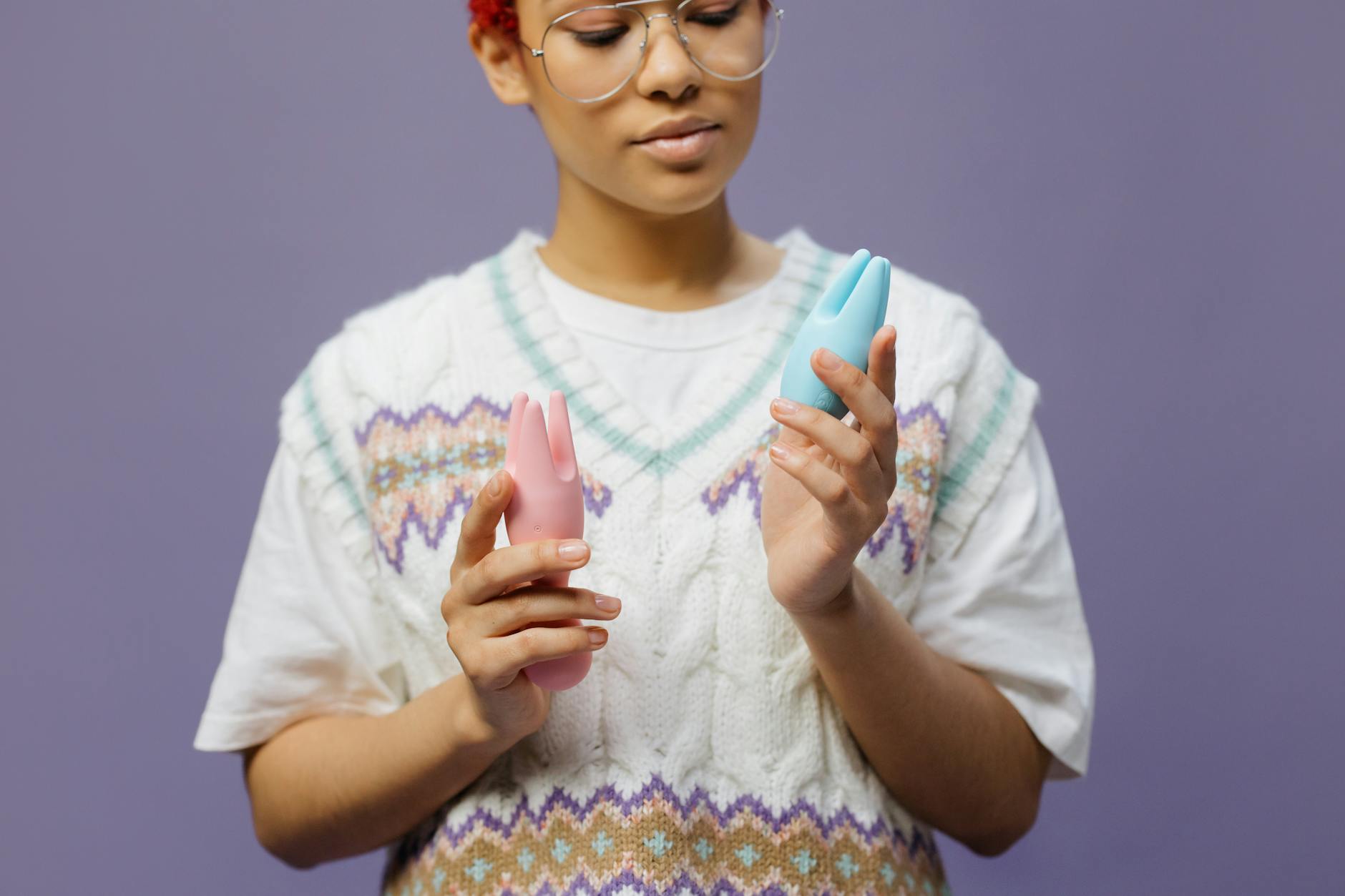
The real reason couples bring vibrators into the bedroom
Here's what I see in my practice over and over: couples bring a vibrator into their intimate life not because something is broken, but because something is missing. Maybe the connection has gotten routine. Maybe one partner wants more intensity than the other can provide alone. Maybe they're trying to rebuild after months or years of disconnection.
The vibrator isn't the solution. The conversation around it is.
That's where most couples get stuck. They either never have the talk at all, or they frame it as a problem that needs fixing. "We need spice." "I'm not satisfied." "Let's try something new." Those framings turn the vibrator into evidence that something's wrong instead of a tool for something better. A lemon clitoral vibrator, when introduced with intention, can actually deepen what's already there.
Why a lemon vibrator changes the dynamic
Let me be specific about why lemon vibrators work differently than other toys. Most vibrators buzz fast and constant. That intensity can work for solo play, but when you're with a partner, that constant stimulation creates a situation where your partner becomes a spectator to your pleasure instead of part of it.
A lemon clitoral vibrator uses suction and pulse patterns that feel more like touch than pure vibration. The sensation is concentrated and responsive, which means you stay present with your partner instead of chasing an intense buzz that requires them to step back. You're more aware of their hands, their breath, their rhythm. That awareness is where intimacy lives.
The other thing lemon vibrators do differently is they require communication to use well. You can't just hand your partner the device and zone out. You're telling them where it feels good, when to change speed, when to pause. That feedback loop is conversation without needing words. It's the language of desire being spoken directly.
The conversation before the toy
Let's be real: bringing up vibrators feels vulnerable. You might worry your partner will feel inadequate. They might worry you're bored. The temptation is to surprise them with it already in hand, thinking the deed will speak louder than words.
Don't.
The most connected couples I work with have learned to talk about sex the way they talk about anything else that matters. Not as a referendum on the relationship. Just as information. "I've been thinking about trying something new. I'm curious about how it might feel if we explored it together." That's it. That opens a door instead of creating a problem.
If your partner seems hesitant, that's not rejection. That's them processing. Give them space to ask questions. Common ones are: Will you still want me? Does this mean I'm not enough? Will it take over our sex life? Answer honestly. A lemon vibrator isn't a replacement for your partner. It's a way of intensifying sensation that you experience together. It's something you do, not something you do instead.
How to introduce it physically
The first time using a lemon vibrator with a partner, I recommend starting outside the bedroom entirely. Try it during foreplay when you're both already comfortable and aroused. Your partner can hold it while you guide them on pressure and speed. This takes the pressure off your partner to perform with a new tool, and it lets you show them exactly what feels good.
That first experience shouldn't be about reaching an orgasm. It's about learning how the toy responds to your body and how your partner responds to having this new way of touching you. Slow down. Notice what changes when they adjust the pattern. Notice what happens when they pause.
Here's something most guides don't tell you: let your partner control it first. Not you. When they're holding the lemon vibrator and you're guiding them, the power dynamic shifts in a way that feels intimate rather than performance-based. They get to give you pleasure with a new tool. You get to receive and direct. That back-and-forth is where the real connection happens.
Building the routine together
Once you've tried it a few times, it stops feeling like a novelty and starts feeling like part of your intimate repertoire. That's when things get interesting.
Many couples I work with report that using a lemon clitoral vibrator together actually makes them slower and more intentional in bed. Because you have to communicate about it, you end up communicating about everything else too. What felt good? What do you want to try next? Those conversations spill over into talking about desire in general, which is almost always where the disconnection started in the first place.
The rhythm of sex with a partner and a vibrator is different from either solo play or partnered sex alone. You're not racing toward climax. You're exploring a middle ground between what feels good alone and what feels good with someone else present. That exploration is deeper than it sounds.
When one partner wants it more than the other
Sometimes this is the real underlying issue. One person is ready to add a vibrator to their intimate life and the other is hesitant. That hesitation usually isn't about the toy. It's about something else, and the toy is just where it surfaces.
Maybe your partner feels distant and isn't sure why. Maybe they're dealing with their own insecurities about aging or performance. Maybe they're stressed about work and haven't had the bandwidth to think about sex at all. A lemon vibrator can't fix those things, but it can open a conversation about them.
If you're the one who wants to use it and your partner is resistant, don't push. Instead, ask what they're actually worried about. Listen without defending. Often what people need is to know their concern matters, not to have it minimized. "That makes sense. Let's table this and talk more when you feel ready." That's how you build trust around sexuality.
Practical setup and safety
Before you use a lemon vibrator with a partner, you both need to understand the basics. Water-based lubricant always. The device gets slippery when wet, so you or your partner might want a hand towel nearby. Start at lower settings. If you're already aroused, your sensitivity is higher, and patterns that feel perfect solo might feel overwhelming with someone else's hands involved.
Clean it after every use. Store it away from your partner's reach if you're not ready for casual questions about it. If you share the same toy, talk about hygiene beforehand. Most people do prefer having their own device, but if you're sharing, consistency matters.
Talk about what stopping looks like too. If it stops feeling good, if someone wants to pause, if the mood shifts. That conversation doesn't kill the moment. It protects it.
What actually changes when you do this right
Honestly, the couples who successfully bring a lemon vibrator into their intimate life don't report more orgasms or more frequency. They report feeling more seen. More trusted. More present with their partner.
Sex with a vibrator requires you to stay awake in a different way. You can't zone out. You have to pay attention to what your body is saying and communicate it. Your partner has to stay present too, holding the device, reading your responses, adjusting based on what they're noticing. That attunement is what intimacy actually is.
The other shift that happens is permission. Permission to want something different. Permission to ask for it. Permission to explore. That permission tends to spread into other areas of the relationship too. If you can talk about desire around sex, you can usually talk about desire in general.
Common worries and what's actually true
Will using a vibrator make you dependent on it for orgasm? No. Your body adapts to different types of sensation. Using a lemon vibrator with a partner doesn't rewire your ability to come from other types of touch. It just gives you another option.
Will it make your partner feel replaced? Only if you treat it that way. If the vibrator is something you do together, if your partner is holding it and controlling it and participating in the experience, they're not replaceable. They're essential.
Will it become all you want to do? Unlikely. Most couples use a vibrator sometimes, not always. It's one tool in a bigger toolkit. The novelty wears off. What doesn't wear off is the communication habit you built around it.
Will it fix a broken relationship? No. If you're using the vibrator to avoid talking about real disconnection, it won't work. But if you're already committed to rebuilding, it can be one way you practice being present together.
FAQ
What if my partner is embarrassed about using a vibrator?
Embarrassment usually comes from shame around sexuality in general, not specifically about vibrators. Start by normalizing the conversation. Mention that lemon clitoral vibrators are incredibly common, that most couples experiment with them at some point. Tell your partner what you like about the idea of using one together, not what you dislike about sex currently. Focus on addition, not correction.
Can we use a lemon vibrator if we're both new to toys?
Absolutely. A lemon vibrator is actually one of the better entry points for couples because the sensation is more localized than full-body vibration. Start with it off while you're getting used to holding it or having someone else hold it. Get comfortable with the physical presence of it before you turn it on. Your first experience with any new toy together should be about exploration, not performance.
How do I know if my partner actually wants to use it or is just doing it for me?
Ask. Directly. "Do you actually want this, or are you just being game?" is a question worth asking before, during, or after. You want your partner's genuine yes, not compliance. If they're not genuinely interested, there's no point. And if they say no, accept it without resentment. Desire can't be negotiated.
Should we use a vibrator every time we have sex?
No. If you use it every time, it becomes standard instead of something special. Most couples find a rhythm where they use it maybe once or twice a week, sometimes less. The point is that it becomes an option, not a requirement. You're building capacity, not creating dependency.
What if I want to use a lemon vibrator but my partner doesn't seem interested in sex at all?
That's a separate conversation from the vibrator. Low desire in a relationship usually points to disconnection, stress, health issues, or relationship problems. A vibrator won't fix that. Start by talking about what's actually happening with sex and intimacy in general. Maybe see a couples therapist. Once you've addressed the underlying issue, the vibrator might feel like a fun addition instead of a band-aid.
How do I bring this up without it seeming like I'm not satisfied with my partner?
Frame it as curiosity, not complaint. "I've been curious about what it might feel like to try this together" is different from "I need this because you're not enough." The difference is subtle but crucial. Also, show your interest in their pleasure too. It's not just about you trying something. It's about exploring together. A lemon vibrator can feel good for partners to use on themselves too, so lead with that if it helps.
The deeper work
Using a lemon vibrator with a partner isn't really about the vibrator. It's about practicing vulnerability, communication, and presence. It's about saying "I want to feel good" and "I want to help you feel good" in the same breath. That combination is rarer than it should be.
The couples who do this successfully end up reporting that the toy becomes almost secondary to what they learned about each other in the process. They learned that they could talk about sex without shame. They learned that their partner wasn't going to judge them for wanting something new. They learned that pleasure is something they could create together instead of something one person owes the other.
That's the real intimacy. The vibrator is just the conversation starter.
Ready to explore together?
If you and your partner are thinking about bringing a toy into your intimate life, start with the conversation. Talk about what you're curious about, what you're worried about, what you hope might happen. Give yourselves permission to be a little awkward about it.
Then reach out to our team if you have questions about which lemon vibrators or clitoral vibrators might work best for partner play. We're here to help you find the right tool for your specific dynamic.
The best time to start this conversation was probably six months ago. The second best time is today.