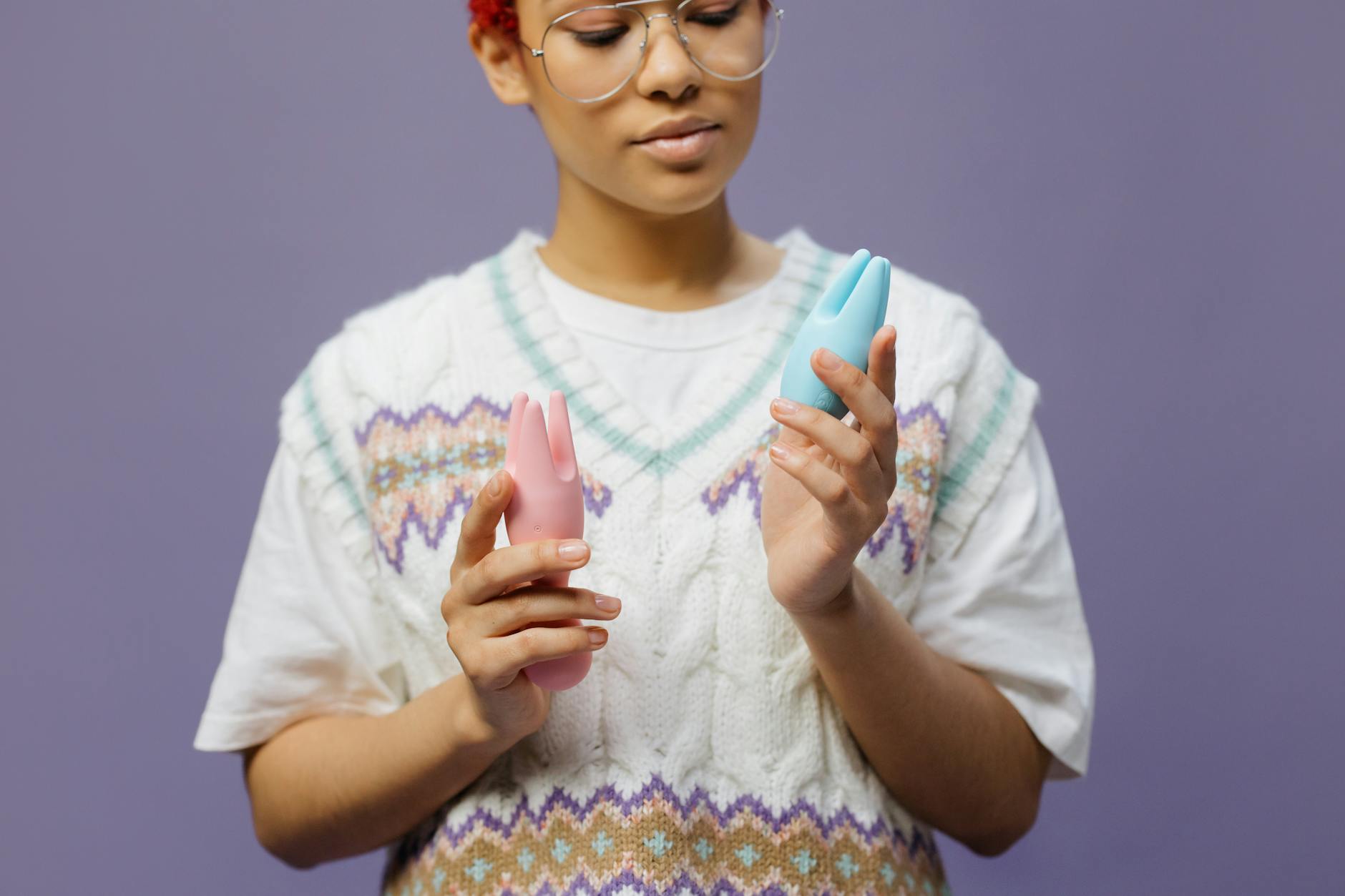
Let's start with the thing nobody says out loud
Vulvodynia and chronic pelvic pain are real, they're common, and they make standard vibrators feel like the wrong tool for the job. Most vibrators rely on direct mechanical pressure or high-frequency buzz that can trigger pain or feel overwhelming on already-sensitive tissue. The lemon clitoral vibrator works differently. It uses gentle suction and pulsing rather than forceful vibration, which changes everything for people managing chronic pain.
This isn't theory. People with vulvodynia, provoked vestibulodynia, generalized vulvodynia, and other forms of chronic pelvic pain report that suction-based stimulation feels tolerable when other methods don't. The key is understanding why, and how to use the approach strategically.
What vulvodynia actually is (and why it matters for pleasure)
Vulvodynia is chronic pain in the vulva without a single clear cause. It can feel like burning, rawness, throbbing, or sharp pain. Some people experience it in one specific area (vestibulodynia, usually at the vaginal opening). Others feel it more broadly. The pain can be constant or triggered by touch, pressure, or penetration.
Here's what matters for pleasure: the nerve endings in the vulva are already firing at higher-than-normal rates. Your nervous system is in a state of heightened sensitivity. When a standard vibrator delivers intense buzz or heavy pressure directly to that area, it often feels like turning up the volume on a system that's already too loud. The result is pain, not pleasure. Your body interprets the stimulation as a threat.
A lemon vibrator (and other suction-based clitoral toys) takes a gentler approach. Instead of aggressive vibration, it creates rhythmic pulses and gentle suction that stimulate the clitoris from the outside without the same direct mechanical pressure. For many people with vulvodynia, this feels accessible in a way that traditional vibrators don't.
How suction changes the game for sensitive tissue
Think about the difference between someone poking your shoulder repeatedly and someone giving you a gentle massage. Same area, completely different sensation. Suction works similarly.
When you use a lemon clitoral vibrator, the silicone cup creates a seal around the clitoris and then pulses rhythmically. This stimulates the entire clitoral structure, not just the surface. Because the stimulation is distributed and gentler, it often feels more comfortable for people with central sensitization or pain conditions.
Two specific benefits emerge for vulvodynia sufferers. First, you get stimulation without sustained pressure. The pulsing pattern means intensity rises and falls rather than staying constant. Second, the suction activates different nerve pathways than direct vibration does. You're still getting arousal and potentially orgasm, but through a route that your nervous system might tolerate better.
Building tolerance and trust with your body
If you've been avoiding pleasure because of pain, your nervous system has learned to anticipate threat. Even when you want to try something new, your body might tense defensively. This is normal.
Start with the lemon vibrator off. Just let it sit against your vulva, or hold it nearby, for a few minutes. Get used to the weight and shape. When you're ready, turn it on to the lowest setting. Settings 1 and 2 on most lemon vibrators are barely perceptible. The idea isn't orgasm yet. It's information gathering. Does this feel tolerable? Sharp? Warm? Distracting?
Many people report that the first few sessions feel neutral or slightly uncomfortable, even if they're not painful. Your nervous system is learning a new input. This usually shifts after 3-5 sessions. Consistency matters more than intensity.
If something triggers pain, stop immediately. Pain is information. It doesn't mean you've done something wrong. It means that particular setting or placement isn't right for your body today. Try again another time, or adjust the intensity downward.
Positioning and pressure points that reduce pain
Where you place the vibrator matters enormously for people with vulvodynia. If you have vestibulodynia (pain specifically at the opening), you'll want to keep stimulation higher up, on the clitoral body and hood rather than the vestibule. If your pain is more widespread, you might explore the outer labia or the clitoral area indirectly through the hood.
Many people find that using the vibrator with a thin layer between the toy and skin reduces pain. Some use a soft cloth, others a layer of water-based lubricant. This creates a tiny buffer that softens sensation without blocking it entirely.
Angle matters too. Experimenting with different angles of approach can reveal spots that feel comfortable when others don't. Spend time exploring rather than rushing toward orgasm. For people with chronic pain, the pleasure is often in the exploration itself, not the endpoint.
The role of lubrication and pacing
Water-based lubricant is your ally here. It reduces friction, adds comfort, and often makes the sensation feel less intense in a good way. Use more than you think you need. The goal is a slick surface that reduces the feeling of pressure or drag.
Take your time building arousal. People with vulvodynia often benefit from a 30-to-45-minute session where the first 15-20 minutes involve the vibrator on lower settings, sometimes with the cup placed nearby rather than directly against the clitoris. Let your nervous system settle. As you relax, intensity can gradually increase if it feels right.
Orgasm might happen. It might not. Both outcomes are fine. Many people with chronic pain report that the goal shifts from achieving orgasm to achieving a state of relaxation and comfort in their own body. That's a win.
When to integrate a partner (if you have one)
If you're partnered, communication becomes essential. Your partner needs to understand that this isn't about their touch being wrong. Vulvodynia is a nervous system issue, not a relationship problem or a sign that you're not attracted to them.
One approach: use the lemon vibrator solo first until you've built confidence and identified what settings work. Then, when you're ready, bring your partner into the experience. They might hold the vibrator, create a rhythm together, or simply be present and supportive while you explore.
Some people find that having a partner nearby while they use the vibrator reduces anxiety and makes arousal easier. Others need solo time first. Neither is better. The key is asking yourself what feels safe and communicating clearly.
Common frustrations and how to move through them
Frustration one: "It doesn't feel like much at first." This is expected. Low settings on a lemon vibrator are genuinely subtle. Your nervous system might need time to recognize pleasure signals that aren't sharp or intense. Patience rewires this.
Frustration two: "I can reach orgasm, but it's weak or doesn't happen." Orgasms with vulvodynia can feel different than you expect. They might be smaller, more internal, or require longer building. This doesn't mean they're not real or valuable.
Frustration three: "Some days it feels fine, other days it triggers pain." This is the nature of chronic pain conditions. Stress, hormones, sleep, and other factors influence how your nervous system responds to input. Adapt rather than expect consistency.
Frustration four: "I feel guilty enjoying this when I can't enjoy other kinds of touch." You're reclaiming a part of yourself. That's not selfish. That's survival.
When to work with a specialist
If pain is severe or worsening, see a pelvic pain specialist or vulvovaginal specialist. Physical therapy focused on the pelvic floor has strong evidence for vulvodynia. A therapist trained in pain neuroscience or somatic work can help your nervous system downregulate threat responses.
Some medications help. Topical lidocaine, tricyclic antidepressants, and gabapentinoids all have evidence. Combining approaches works better than any single intervention.
The lemon vibrator isn't a treatment. It's a tool for pleasure and exploration within whatever pain levels you're currently managing.
The bigger picture: pleasure as medicine
When your body has been in pain, reclaiming pleasure feels radical. It's not indulgent. Pleasure activates your parasympathetic nervous system (the rest-and-digest branch), which can actually reduce pain signaling over time. People who engage in regular sexual activity report lower baseline pain levels and better pain tolerance.
This isn't about pushing through or ignoring signals. It's about gently, gradually expanding your window of what feels safe and good. A lemon clitoral vibrator offers a path for people whose nervous systems have learned to interpret normal touch as threat. The suction-based approach feels different enough to bypass some of that defensive response.
Your pleasure matters. Your body deserves gentleness. Start small, listen closely, and let yourself be surprised by what feels good.
FAQ
Can I use a lemon vibrator if I have vulvodynia?
Yes, and many people find suction-based vibrators more tolerable than traditional ones. Start on the lowest setting and prioritize comfort over intensity. The gentle suction stimulates without the sharp pressure that can trigger pain in sensitive tissue. Building trust with your body takes time, so expect a few sessions before pleasure clicks into place.
Will using a lemon vibrator make my vulvodynia worse?
Used cautiously, it shouldn't. Pain is the signal to stop. If certain settings or placements trigger sharp pain, avoid them and try a different approach. Many people find that gentle, consistent exploration actually helps their nervous system learn to tolerate sensation. But work with a pelvic pain specialist if you're unsure.
What's the difference between a lemon vibrator and other clitoral vibrators for chronic pain?
Traditional vibrators use high-frequency buzz that delivers repetitive mechanical pressure. For vulvodynia, this often feels overwhelming or painful. A lemon vibrator uses gentler pulsing and suction, which stimulates without the same direct pressure. The rhythmic pattern is also easier to tolerate for nervous systems in pain states.
How long does it take to feel pleasure again after vulvodynia?
That varies. Some people report pleasure returning within a few weeks of consistent, gentle exploration. Others need months. Pain conditions are individual, and nervous system healing isn't linear. Progress also depends on whether you're receiving other treatments like physical therapy or medication.
Should I use lubrication with a lemon vibrator if I have vulvodynia?
Absolutely. Water-based lubrication reduces friction and softens sensation in a way that many people find essential when tissues are sensitive. Use generously. The goal is a smooth, frictionless experience that lets your nervous system relax rather than brace for pressure.
Can my partner help me use a lemon vibrator if I have vulvodynia?
Yes, but start solo first. Once you've identified settings and placements that work for you, your partner can be involved if that feels safe. Clear communication is essential. Your partner should understand that vulvodynia isn't their fault and that this tool is about you reclaiming pleasure, not about their touch being inadequate.