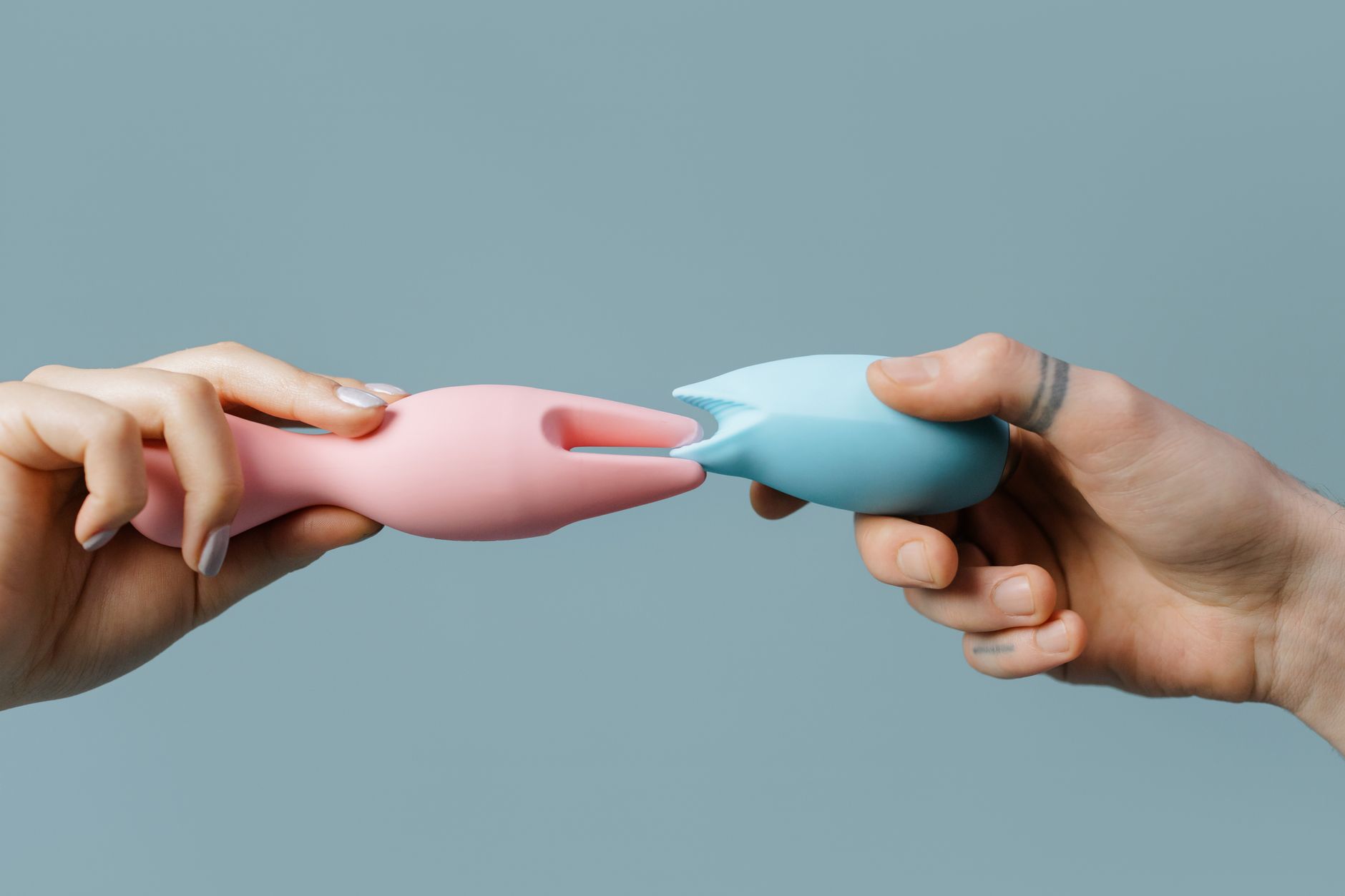
Here's what no one tells you about numbness
Numbness isn't just inconvenient. It's disorienting. When sensation drops, pleasure feels like trying to read a book with the lights off. You know it's there, but you can't quite reach it. And if that numbness shows up in your mouth or genitals, the whole experience of being touched by a partner (or yourself) changes overnight.
I work with people who've lost sensation from dental procedures, neuropathy, prolonged medication use, or surgery. Most of them say the same thing: they assumed their pleasure was gone for good. It isn't. It's just waiting for the right tool and the right technique to come back.
Why lemon vibrators work differently when you're numb
Sensation loss from dental work, neuropathy, or nerve compression changes how your body responds to touch. Traditional vibration at high speeds can actually feel muted or uncomfortable because the sensation travels faster than your numbed nerves can process. The result? You end up cranking the intensity higher and higher, chasing something that never quite lands.
Lemon clitoral vibrators, especially ones like the Lem, use air-pulse technology instead of direct vibration. That matters because suction stimulates tissue and nerves through a completely different pathway than shaking motion. It creates a broader, deeper sensation pattern that often registers better when surface-level numbness is at play.
Think of it like this: traditional vibration is knocking on a door. Air-suction is opening a window. When your nerve receptors are sluggish or partially offline, the window approach often gets through.
Understanding your numbness: where it's coming from
Before you adjust your technique, name what's actually happening. Numbness falls into a few categories, and each one responds differently to external stimulation.
Temporary numbness from recent dental work. This usually resolves in weeks or months. Your nerves are irritated but healing. Light, patient stimulation helps rebuild sensation without re-traumatizing the area.
Medication-related numbness. Some anticonvulsants, chemotherapy drugs, certain diabetes medications, and even some antidepressants can cause peripheral neuropathy (numbness in extremities and sometimes genitals). This is longer-term, but it's also responsive to consistent, gentle stimulation that encourages nerve regeneration.
Post-surgical nerve damage. Surgery involving the face, mouth, or pelvic area can temporarily or permanently affect sensation. The first few weeks are about healing. After that, gradual re-stimulation helps rewire nerve pathways.
Stress-related or anxiety-induced numbness. Tension and chronic stress can create localized numbness that feels physical but is partly neurological. This one responds especially well to the ritual and comfort of a lemon vibrator because the consistency of sensation rebuilds both physical and psychological safety.
How to start: the reset protocol
If you're used to high-intensity vibration, numb sensation will feel nothing at first. That's normal. You're retraining your nerves, not fighting them.
Week one: observation only. Use your lemon clitoral vibrator on the absolute lowest setting. Pattern 1 on the Lem is a good starting point. Apply it for 60 seconds at a time, then stop and rest for 2-3 minutes. Don't chase orgasm. You're just reintroducing your body to sensation. Track what you notice: warmth, pressure, tingling, anything.
Week two: slow increases. If week one felt like something was happening, move to pattern 2. Still short sessions. 90 seconds on, 3 minutes rest. If week one felt like nothing, stay with pattern 1 but add a water-based lubricant. This doesn't improve the vibrator itself, but it helps nerves register the sensation more clearly.
Week three onward: add duration and teasing. Once you start feeling something consistent, extend the time slowly. Move from 90 seconds to 3-5 minutes. Pair the lemon vibrator with other forms of touch: your fingers, a partner's hands, temperature change (warm hands, cool breath). Varied sensation helps rebuild neural pathways faster than one stimulus alone.
What makes a lemon sucker different when sensation is weak
A lemon vibrator works on air-pulse suction rather than vibration. For people with numbing or neuropathy, this distinction is genuinely important. Here's why.
Vibration relies on your nerves being sensitive to rapid micro-movements. When those nerves are sluggish, high-frequency vibration can feel like nothing at all, or worse, like an irritating buzz that goes nowhere. You end up using it wrong: cranking the intensity, holding it too tight, or giving up because you think you're "broken."
Air-suction creates pressure and release cycles that stimulate tissue directly. You feel the pulse, not the speed. For numbed nerves, that slower, larger pattern of stimulation is often much more accessible.
The suction also works differently for different body parts. On sensitive areas where numbness is localized (like the clitoris after pelvic surgery), gentle suction isolates and awaken nerves that vibration might pass right by. And because suction doesn't require you to hold the device still, you can use it one-handed while you're using the other hand to touch or be touched by a partner.
Building a retraining routine that actually works
Consistency matters more than intensity when you're rebuilding sensation. A good retraining routine looks like this.
Pick a time when you're relaxed, not rushed. Numbness improves faster when your nervous system isn't in fight-or-flight mode. Shower time, after meditation, or early evening work better than a quickie between work calls. Give yourself 15-20 minutes, not 5.
Start with temperature contrast. Warm water on your skin before you start the lemon vibrator. If you're with a partner, have them hold your hand or touch your arm while you're using the device. Temperature and varied touch signal to your brain that sensation is returning.
Use the lowest setting you can still feel. If you can feel pattern 1, stay there for a full week before advancing. If you can't feel anything until pattern 3, start with pattern 3. The goal is the gentlest sensation you can reliably detect. As weeks pass, pattern 1 will become noticeably more pleasurable.
Stop if you feel pain or sharp sensation. Tingling is normal. Sharpness or burning isn't. If you hit that, back off the intensity and duration. Rest a few days and try again.
Track pleasure shifts, not orgasm goals. Most people rebuilding sensation won't orgasm for several weeks or months. That's not failure. What you're looking for is a moment where the sensation feels warm instead of numb, or where a touch makes you smile instead of feel blank. Those small shifts mean your nerves are rewiring.
When to involve a partner in the process
If you have a partner, their role changes when sensation is compromised. They shouldn't try to "fix" your pleasure or become impatient with slower rebuilding. Instead, they become part of the system.
Have them touch you while you're using the lemon vibrator. Partner touch on a different body part (neck, arm, inner thigh) while you're using air-suction on the clitoris helps your brain integrate multiple signals of sensation returning. This works especially well if numbness is anxiety-related, because partner presence reassures your nervous system.
Let them operate the device. Some people rebuild sensation faster when a partner controls the lemon clitoral vibrator. The element of anticipation and lack of control sometimes unlocks pathways that solo use doesn't. Start with pattern 1 and have them keep it stationary for 30-60 seconds, then move slowly to a different spot.
Talk about what you're actually feeling, not what you think you should feel. "That feels like pressure" is useful feedback. "I'm not having an orgasm" is not. Your partner needs to know what sensations are landing so they can repeat them.
The neuropathy wild card: when it's deeper than surface numbness
If your numbness comes from peripheral neuropathy (diabetes, chemotherapy, certain medications), rebuilding sensation takes longer but follows the same path. The difference is you'll be doing this alongside medical management.
Talk to your doctor about your goals. Some doctors prescribe topical creams that help with neuropathic numbness. Others recommend nerve-repair supplements like alpha-lipoic acid or B vitamins. These aren't magic, but combined with consistent, gentle stimulation from a lemon vibrator, they can speed the process significantly.
One thing worth knowing: people with neuropathy often report that their best orgasms come after months of patient retraining. Because the sensation rebuilds slowly and deliberately, the intensity when it finally arrives can be extraordinary.
FAQ
How long does it take for numbness to improve with a lemon vibrator?
It depends on the cause. Post-dental numbness often improves in 4-8 weeks of consistent use. Medication-related or neuropathic numbness can take 2-3 months of regular, gentle stimulation before you notice real shifts. Consistency matters more than duration. Using your lemon clitoral vibrator three times a week for 10 minutes is better than once a week for an hour.
Can I use a lemon vibrator if I still have sharp pain?
No. Sharp or burning sensation means your nerves are still actively inflamed. Wait until the sharp pain is gone and you're left with pure numbness, then start with the absolute lowest setting. If pain returns during use, stop immediately. Pain is your nervous system saying "not yet."
Does the type of lemon vibrator matter if I'm numb?
Yes. Air-suction devices like the Lem work better for numbed sensation than traditional bullet vibrators because the pulse pattern is slower and easier for sluggish nerves to register. A lemon clitoral vibrator specifically designed with variable patterns gives you more control to match your sensitivity level week to week.
Can numbness come back after it improves?
Yes, if you stop stimulating consistently. Think of it like physical therapy. If you rebuild strength in a muscle and then stop exercising, strength fades. With sensation, the same rule applies. Once you've recovered feeling, maintaining it requires ongoing (though less frequent) stimulation.
Is it normal to feel less pleasure with a lemon vibrator at first?
Completely. When sensation is numb, even the best lemon sexual toys can feel underwhelming at first. You're not broken. Your nerves just need time to wake up. Give it 3-4 weeks before you decide anything isn't working.
What if numbness is only on one side of my body?
Start with the numb side, but don't neglect the other. Using your lemon vibrator on the side with full sensation helps your nervous system understand what's possible, then transfers that learning to the numb side over time. Partner touch on the non-numb side while you stimulate the numb side accelerates this process.
Your pleasure didn't disappear, it just went quiet
Numbness from dental work, medication, or surgery feels like a betrayal. Your body used to respond, and now it feels like a stranger. But sensation isn't gone. It's dormant. And the right approach to rebuilding it isn't forcing it back with high-intensity devices. It's patient, consistent invitation. A lemon clitoral vibrator, especially one that works with air-suction rather than aggressive vibration, becomes the bridge between now and the pleasure you remember. Some people find their sensation comes back stronger than before, partly because they've learned to listen to what their body actually needs instead of what it used to do.
If rebuilding sensation feels overwhelming or if numbness persists beyond 3-4 months of consistent use, talk to a healthcare provider. Some causes of numbness benefit from medical treatment or physical therapy. But most of the time, the thing that makes the real difference is consistency, patience, and the willingness to notice small shifts in sensation instead of waiting for the big return. That's where the real pleasure lives.