
Let's name what's actually happening
You're touching yourself. The mechanics are working. And yet. It feels like you're watching a video of someone else's body from three feet away.
This is dissociation, and it's wildly common during solo sex. Not a failure. Not a sign your body is broken. It's your nervous system doing what it was built to do: protecting you when things feel unsafe, overwhelming, or just too much.
Why your body checks out during pleasure
Dissociation during masturbation usually has one of three roots.
First, stress or unprocessed anxiety. If you're carrying tension from work, family, or relationships into the bedroom, your nervous system stays in a low-level alert state. Pleasure requires vulnerability. Vulnerability is the opposite of alert. Your brain solves this by stepping back.
Second, a history of shame around solo sex. Many of us were taught that masturbation was something to hide, hurry through, or feel guilty about afterward. That internal conflict creates a split: one part of you wants pleasure, another part says you shouldn't have it. Dissociation is the compromise your nervous system makes.
Third, the speed trap. A lot of people masturbate like they're trying to finish a task on a to-do list. Twenty minutes of straight stimulation, building to orgasm as fast as possible, then done. This intense, goal-focused approach can feel clinical rather than embodied. Your mind naturally checks out because the experience isn't inviting presence.
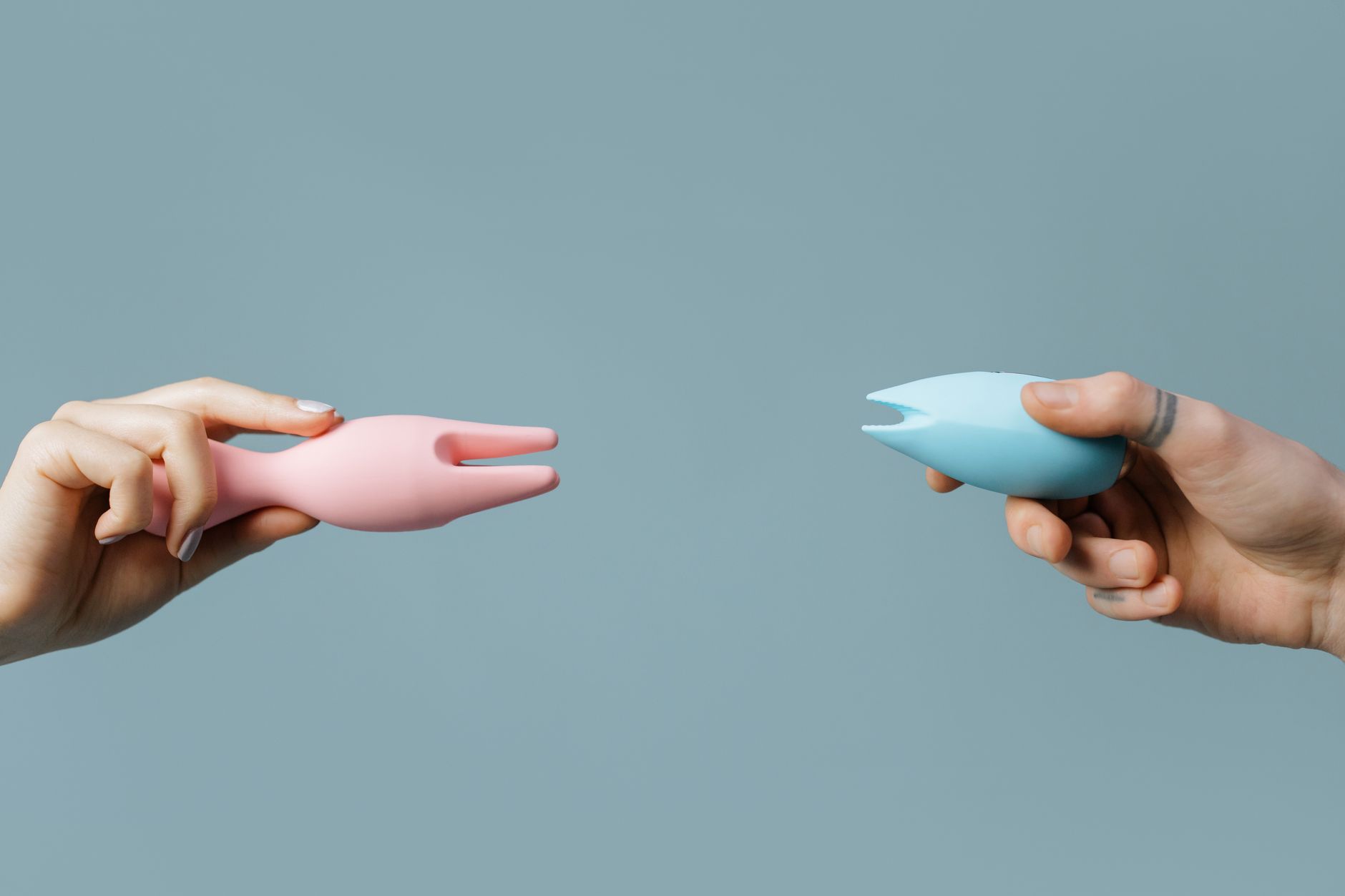
Photo by cottonbro studio on Pexels
The neuroscience of coming back into your body
Okay, so your nervous system has learned to leave. The good news: it can learn to stay.
This is where a lemon clitoral vibrator like the Lem actually rewires things. Here's why it's different from your hand or other toys.
The Lem's air-suction technology creates rhythmic waves of stimulation that feel indirect, almost like someone else is touching you. That shift in sensation breaks the dissociation pattern because it interrupts the familiar script your brain has been running. You can't dissociate from something you've never felt before.
More importantly, the Lem's specific pattern of stimulation activates the parasympathetic nervous system. That's the "rest and digest" branch. It literally signals safety to your brain. When your nervous system feels safe, it stops running away. You can be present.
The suction also creates what therapists call a "somatic anchor." Instead of your attention drifting into abstraction, the unique sensation pulls you back into physical sensation. Again and again. It's like someone gently saying, "You're here. This is your body. This matters."
Four grounding practices to pair with your lemon vibrator
A toy alone won't fix dissociation. But a toy plus intention will.
First: rename the session. You're not masturbating. You're practicing being present in your body. That's not performative. That reframe actually changes your nervous system's response. Permission feels different from obligation.
Second: start with your breath, not your toy. Before you touch yourself, spend two minutes breathing deliberately. In for four, hold for four, out for six. This activates your parasympathetic nervous system right away. You're already grounded before stimulation starts. Your nervous system has less distance to travel back into your body.
Third: go slow and weird with your lemon vibrator. Don't start on the Lem's higher patterns. Start on pattern one, the gentlest suction. Let yourself feel how strange it is. Spend five minutes just noticing sensation without trying to build toward anything. This trains your brain that pleasure doesn't have to be goal-oriented.
Fourth: keep your eyes open. This sounds simple, but closing your eyes invites your mind to wander. Keep your eyes open, maybe on your own body in a mirror, maybe just on the wall. The visual input keeps your nervous system anchored to the present.
The role of shame and how to discharge it
Here's something I see in my practice constantly: dissociation during solo sex is often rooted in earlier messages that solo pleasure isn't allowed, isn't worthy, or is inherently selfish.
You can't logic your way out of this. "I know masturbation is fine" doesn't rewire childhood messaging. What works is creating a new felt experience.
This is where talking to yourself out loud matters. Before you start, say something simple: "My pleasure matters." "I deserve this time." "My body is safe." This might feel ridiculous. Do it anyway. Out loud. Your nervous system responds to your own voice differently than it responds to thoughts.
Then as you're using the lemon vibrator, notice what sensations come up. Not to fix them, just to notice. "This feels tingly." "My heart is beating faster." "I'm breathing differently." This is grounding language. It brings your attention back to your body.
If guilt or shame spikes, pause. Breathe. And then continue. You're training your nervous system that you can feel conflicted and still choose yourself. That's powerful rewiring.
When dissociation is about more than shame
Some people dissociate because of trauma. If you have a history of sexual abuse, assault, or coercion, dissociation during solo sex might be a protective response tied to that history.
In this case, a lemon clitoral vibrator is still useful, but not because it's magic. It's useful because the novelty of the sensation, combined with the fact that you're fully in control, can help you practice being present during pleasure in a gentler way.
But here's what matters: work with a trauma-informed therapist alongside this. Solo practice is part of healing, not the whole thing. A professional can help you understand the roots and build a specific plan that fits your history.
What actually changes when you stick with it
Two weeks of this practice usually shifts something. Not because you're doing it perfectly, but because consistency signals safety to your nervous system.
You'll notice your mind wandering less. You'll feel sensation more acutely. You might actually want to masturbate more often, because it stops feeling like a chore and starts feeling like something you get to do.
Some people report that their orgasms feel stronger. That's not because the lemon vibrator is physically more intense. It's because your nervous system is finally allowing the full chain reaction of pleasure instead than interrupting it halfway through with dissociation.
Your pleasure matters. Not because you're trying to fix yourself. Because you're human, and connection to your own body is foundational.
People also ask
What does dissociation during masturbation actually feel like?
Dissociation feels like watching yourself from outside your body. You might feel numb despite stimulation. Your mind might wander to unrelated things. You might be touching yourself and feel nothing emotionally, even if there's physical sensation. Some people describe it as "going through the motions" or feeling like they're on autopilot. Time can also feel warped. It's distinct from simply being distracted, because you're aware something feels off even as it's happening.
Can a lemon vibrator actually help me feel more present?
Yes, because the Lem's air-suction pattern is different from what most people are familiar with. That novelty breaks the dissociation script your brain has been running. The rhythmic, indirect stimulation also has a somatic grounding effect. It's not magic, but the combination of new sensation plus the parasympathetic activation it creates makes it easier for your nervous system to stay present. Pair it with the breathing and grounding practices above and the effect compounds.
Is dissociation during solo sex a sign of trauma?
Not necessarily. It can be, but it's also common in people who experienced shame around masturbation, those under chronic stress, or people with anxiety. Dissociation is your nervous system's way of creating safety when it perceives a threat or overwhelm. That threat can be external trauma or internal conflict. If you have a history of sexual abuse, dissociation is worth exploring with a trauma-informed therapist. If it's rooted in shame or stress, the practices in this post usually help significantly.
How long does it take to feel reconnected during solo sex?
Some shifts happen in the first session. You might notice you're checking in with your body more, or that your mind is wandering less. Deeper rewiring usually takes two to four weeks of consistent practice. Your nervous system needs repetition to learn that solo pleasure is safe and worth being present for. That's not a long timeline. Most people see real changes within a month of regular practice.
Should I use lube with a lemon clitoral vibrator when I'm trying to ground myself?
Yes. Water-based lube actually enhances the Lem's suction effect and reduces friction that can feel distracting. Distraction is the opposite of what you're going for. The smoother experience from lube lets you focus more on the sensation itself rather than on discomfort. It's a small change that makes staying present much easier.
What if I still dissociate even with the practices and the lemon vibrator?
Then there's likely a deeper layer, often trauma. This isn't a failure. It means solo practice is one tool, but you probably also need professional support. A trauma-informed therapist or somatic therapist can help you understand what your nervous system is protecting you from and build a more specific plan. The grounding practices still matter, but they work alongside therapy rather than instead of it. If shame is the root, a coach or therapist specializing in sexuality can be incredibly helpful too.