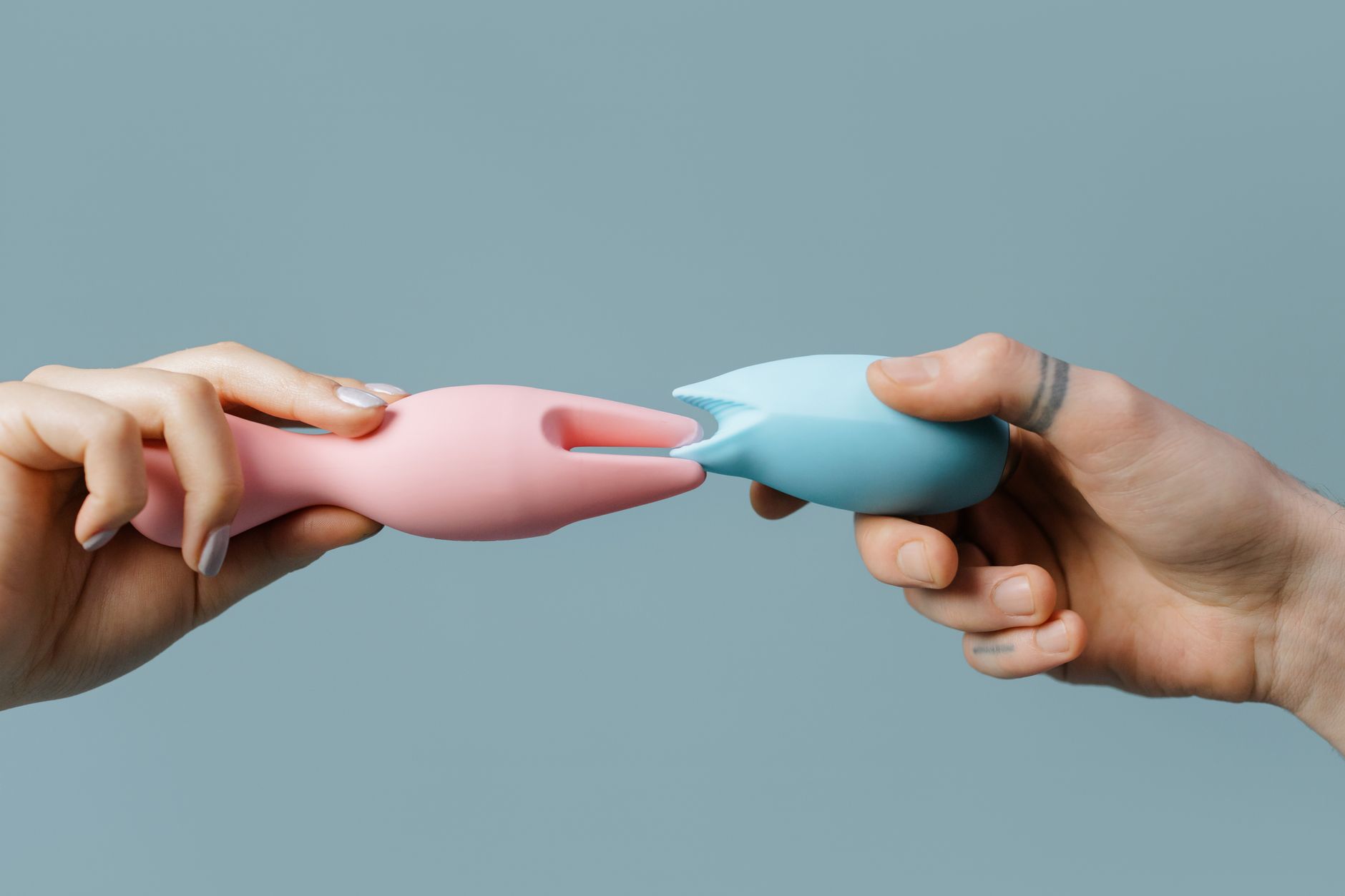
Let's be real about the restart
You haven't had sex in three years. Or five. Or longer. Maybe the relationship ended, maybe life just happened, maybe you simply stopped wanting it. Now you're thinking about starting again, and honestly, the thought is part terrifying and part exciting. That's completely normal. Most people who take a long break from sex expect their bodies to just pick up where they left off. They don't. But they can get there, and faster than you think.
Here's what actually happens during a long gap, and why a lemon vibrator is often the smartest tool to restart:
What your body forgot (and what it didn't)
Physically, pleasure pathways don't disappear. Your clitoris still has roughly 8,000 nerve endings. Orgasm is still possible. But your nervous system has been in a quieter state for a while, and reactivating arousal takes time and intentional exploration. Think of it like muscle memory, except the muscle is your brain's arousal circuitry.
When you've been away from sex for years, three specific things shift:
1. Arousal comes slower. Your body isn't primed to respond quickly to stimulation. You might need 20-30 minutes to build genuine arousal, not five. This is biological, not a personal failure.
2. Sensation feels different. You might find direct touch too intense, or oddly distant. That's because your nervous system is recalibrating what "pleasure" even means after years of not practicing it.
3. Confidence is shaky. After a long break, many people feel disconnected from their own desire. You've spent years not thinking about sex, not exploring, not tuning into your body. That mental reset takes as long as the physical one.
A lemon vibrator (sometimes called a lem vibrator) helps specifically because it bypasses the intensity issue. Suction-based clitoral stimulation is gentler than traditional vibration, and the varied patterns let you dial in exactly what your body needs without overwhelming yourself.
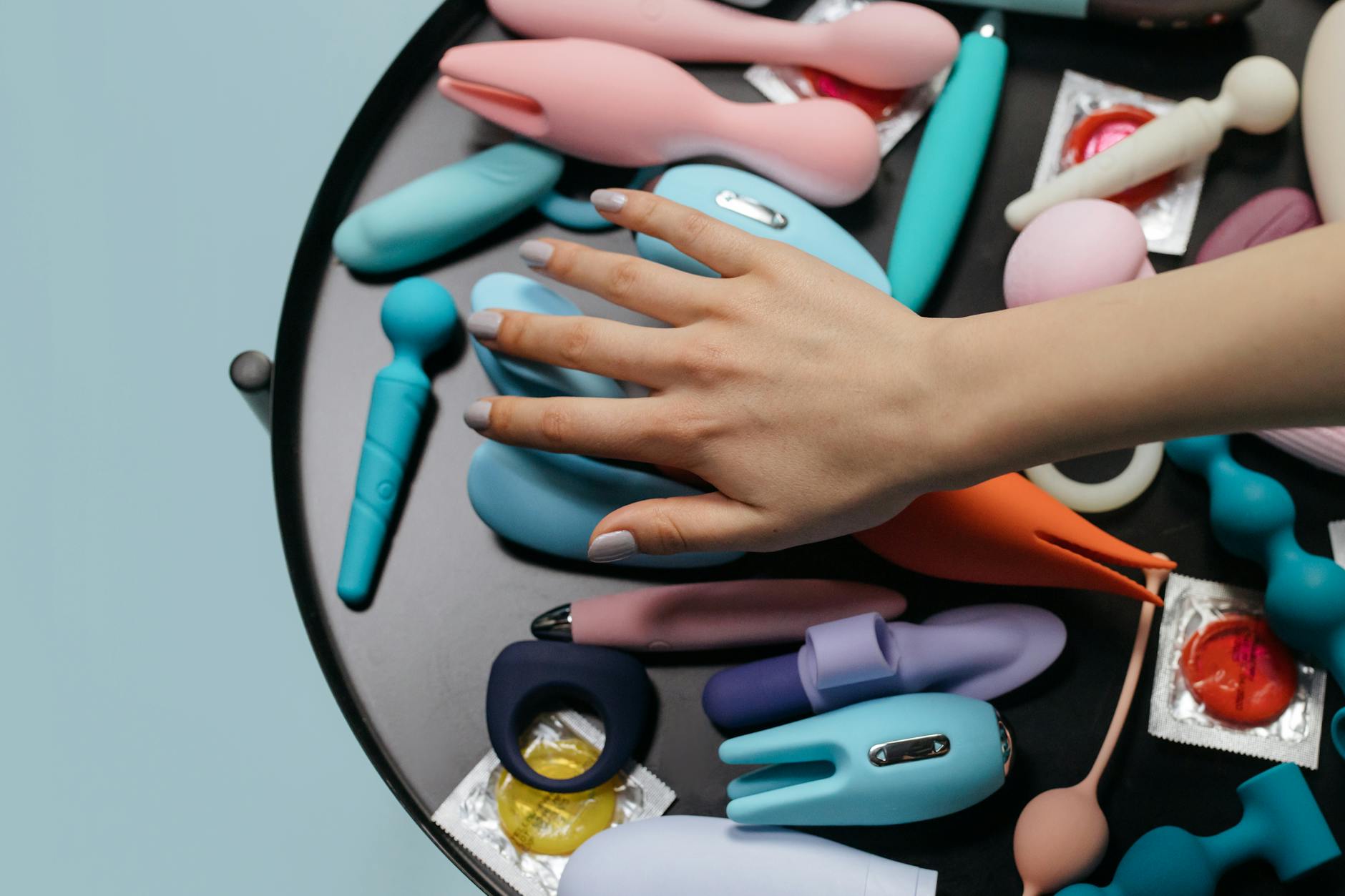
Photo by cottonbro studio on Pexels
The solo exploration phase (do this first)
If you haven't had sex in years, starting with a partner is often a recipe for pressure. Starting alone with a lemon adult toy lets you remember what your body is capable of without performing for anyone else.
Here's the framework I recommend:
Week 1-2: No orgasm goal. Spend 15-20 minutes on your own, no expectations. Use the lowest setting on your lem vibrator. The goal is only to notice what feels good. Does the suction feel better on the left side of your clitoris? Does a particular pattern make you want to move your hips? You're gathering information, not chasing a finish line.
Week 3-4: Extend the exploration. Add another five minutes. Try patterns 2-4 on the lemon clitoral vibrator. Notice where your breathing changes, where tension builds in your body. This teaches your nervous system that pleasure is safe again.
Week 5+: Let an orgasm happen. Stop forcing it. By this point, your body should be primed enough that with consistent stimulation, release just happens. First ones after a long break are often smaller or feel different. That's fine. They usually get richer with practice.
During this phase, you're also rebuilding the emotional permission you need. For years, maybe, sex wasn't part of your identity or your day. You literally rewired your brain away from it. Solo pleasure gives you space to rewire back without judgment.
Adding a partner (when you're ready)
The question isn't when you're "healed" enough. It's when you feel curious about sharing this with someone. That might be four weeks in, or four months. Neither is wrong.
If you do want to involve a partner, two rules:
1. Tell them the timeline first. Say something like: "I haven't had sex in a while, so I'm taking things slowly. I'm using a lemon vibrator to rebuild sensation on my own first. I'll let you know when I'm interested in involving you, but that'll take time." Most partners actually respect this way more than they respect pretending you're ready when you're not.
2. Keep your lemon vibrator in the mix. This isn't about replacing the toy once a partner arrives. A lemon suction toy works brilliantly alongside partnered sex because it gives you control over intensity and pace. You're not waiting for someone else to figure out what works. You're co-directing the experience.
Managing the mental game
The physical stuff is straightforward. The mental part is usually the hold-up. After years away, sex gets psychologically loaded. You might feel:
- Shame about the gap ("Something's wrong with me for not wanting this for so long")
- Doubt about whether your body still works
- Anxiety about a partner's judgment
- Weirdness about your own desires
None of that is weird. It's actually what I see most often in my practice. And here's what helps: separating the physical practice from the story you're telling yourself about it.
When you're using a lemon vibrator solo, you're not fixing yourself. You're not making up for lost time. You're simply practicing pleasure in a low-stakes environment. That's it. No bigger meaning required. The confidence builds because you succeed, not because you shame yourself into compliance.
If you're partnered, the same rule applies. Sex doesn't need to be a performance or a sign that the relationship is "fixed." It can just be what it is: two people exploring what feels good together, with no agenda beyond that.
The timeline reality check
Some people restart and feel orgasmic within two weeks. Some take three months. Most land somewhere in the middle. Factors that slow the restart:
- Medications (particularly SSRIs or blood pressure meds)
- Hormonal shifts (menopause, thyroid changes, hormonal birth control)
- Stress or grief happening concurrently
- A partner who doesn't understand why you need to go slow
- Your own internal belief that something's broken
None of those are blockers. They're just variables. A lemon vibrator helps navigate most of them because you control the intensity, the pacing, and the entire experience. How Lemon Vibrators Compare to Suction Toys and Other Clitoral Vibrators goes deeper into why this particular tool works so well for rebuilding.
What to actually expect when you restart
Your first orgasm after a long break might feel subtle. It might feel intense. It might feel weird or unfamiliar. All of that is normal. Your nervous system is saying, "Oh, right, this thing." Over the next few weeks, your body usually remembers more each time. Sensations sharpen. Responses get faster. Pleasure feels less like a concept and more like a reality.
One thing I want to name: some people feel grief when they restart sex after a long gap. That sounds strange, but it's real. You're grieving the time, or the person you were before the break, or the relationship that ended. That doesn't mean restarting is a mistake. It means you're human. Feel the grief and keep exploring. They exist at the same time.
When to reach out for support
If pain shows up, see a pelvic health specialist. If arousal genuinely doesn't improve after three months of consistent solo exploration, talk to a therapist. If you want to bring a partner in but relationship communication feels impossible, couples counseling helps more than you'd expect.
Restarting sex after a long break isn't a sprint. It's a slow, intentional return to your own pleasure. A lemon clitoral vibrator gives you the control and gentleness to do that on your own terms. Trust the timeline. Trust your body. It knows how to remember.
People also ask
How long does it usually take to orgasm again after not having sex for years?
Most people report having their first orgasm again within four to eight weeks of consistent solo exploration, though some experience it within two weeks and others take three months. The variability depends on medication, stress, hormonal status, and your own comfort level. Using a tool like a lemon vibrator usually accelerates this because you can dial in exactly the right intensity without overthinking. The key is consistency, not force.
Can I use a lemon vibrator if I'm worried my clitoris is numb after years without sex?
Absolutely. In fact, many people who take long breaks report clitoral numbness or flatness when they first try to restart. A lemon suction vibrator is gentler than traditional vibration and actually helps wake up sensation because the pulse pattern engages nerve endings differently. Start at the lowest setting and spend time exploring which patterns your body responds to most. Sensation almost always returns within a few weeks.
Should I feel embarrassed about needing a vibrator to restart sex?
No. Most people need some support restarting after a long break, whether that's a vibrator, extended foreplay with a partner, or both. A lemon clitoral vibrator isn't a crutch. It's a tool. Using one actually builds confidence because you control the experience entirely. You learn what works for your body without pressure. That knowledge carries into partnered sex, so you're more confident there too.
What if my partner feels threatened by me using a lemon vibrator?
This is common and worth addressing directly. Many partners worry that a vibrator means they're not enough. What's actually true: a lemon vibrator is about your nervous system, not about their performance. Some partnerships actually improve once the person with the vibrator has a confident solo practice. You show up to partnered sex already knowing what you like. That removes pressure from both people. If your partner's discomfort doesn't shift after a conversation, that's worth exploring in couples therapy.
Can I use a lemon vibrator with someone else, or is it just a solo tool?
It works brilliantly both ways. Solo, you rebuild your own confidence and arousal capacity. With a partner, you can use it during foreplay or during intercourse, and you maintain control over stimulation. This is actually ideal for people restarting after a long break because you don't have to rely entirely on a partner's touch or pacing. You can show them exactly how to touch you, or use the vibrator alongside their touch. It turns the experience collaborative rather than passive.
Is there a difference between restarting with a partner present versus going solo first?
Yes. Going solo first removes performance pressure. Your body can learn what pleasure feels like without worrying about a partner's reaction or timing. Once your nervous system is primed and confident, adding a partner actually works better because you're not starting from zero arousal. Some people skip solo exploration and restart directly with a partner, and that works too, but it usually takes longer and involves more awkwardness. The solo phase accelerates the whole process.
Next steps
Restarting intimacy after years away is one of the bravest things you can do. It requires patience, self-compassion, and honestly, a good tool. A lemon vibrator gives you exactly that. Start solo, go slow, and trust that your body remembers how to feel good. If you want to talk through your specific situation or explore other resources for restarting, reach out to our team. We're here.