Here's what you probably didn't expect
You quit birth control. Two weeks later, your body feels like someone else's. Arousal takes longer to build. Orgasms feel softer, weirder, or sometimes just absent. Your partner comments that you seem distant. You're not distant. You're chemically different, and nobody warned you.
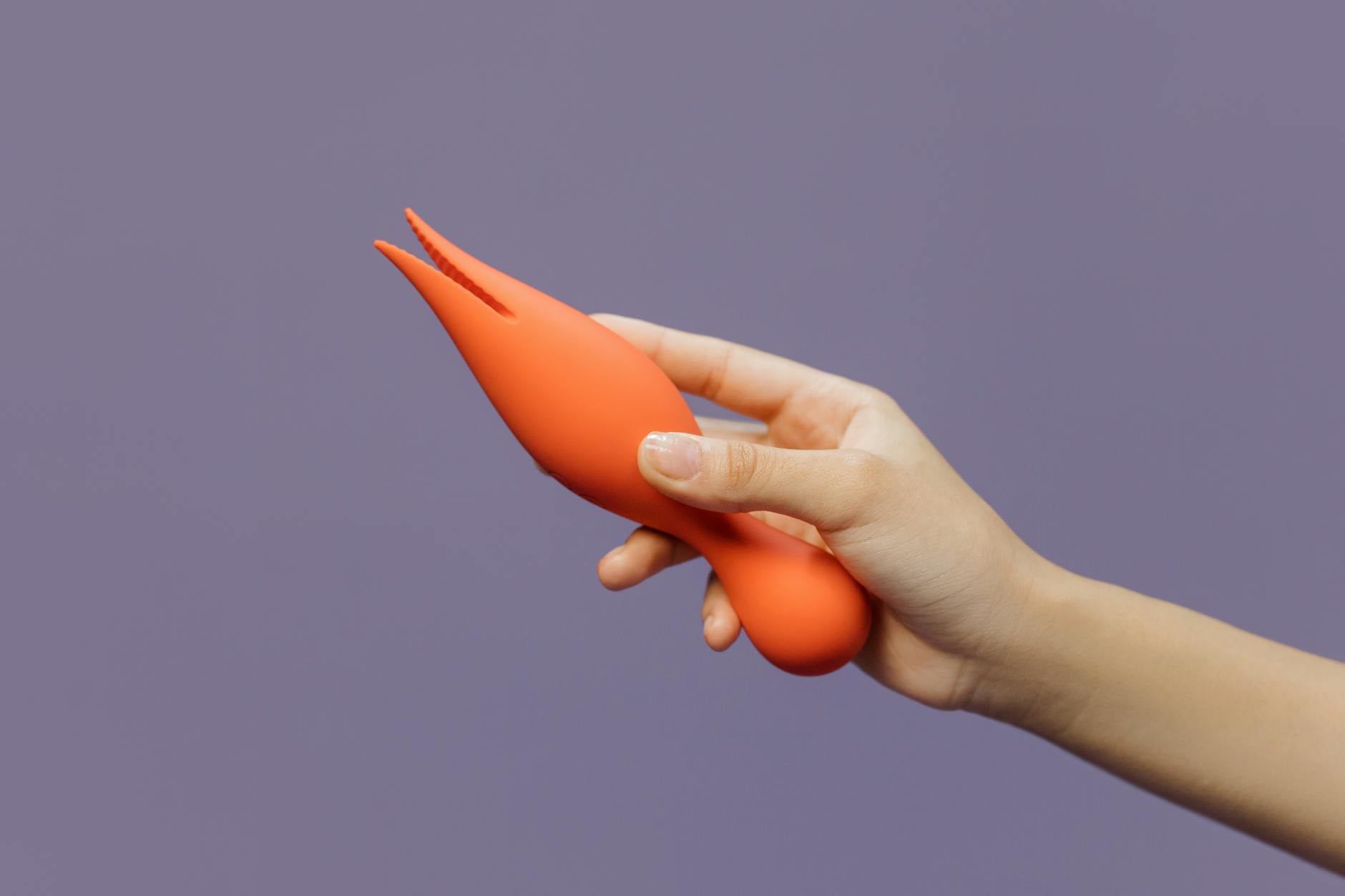
This is one of the most common experiences women report after stopping hormonal contraception, and yet almost nobody talks about it plainly. The shifts are real, neurological, and temporary. And a lemon clitoral vibrator is often the fastest way to rebuild sensation and reconnect with pleasure while your body recalibrates.
What actually happens when you stop the pill
Birth control pills suppress your natural hormone cycles by flooding your body with synthetic estrogen and progestin. Your pituitary gland basically gets a note saying "stand down." For years, your arousal system, vaginal lubrication, and clitoral sensitivity have been running on pharmaceutical rails.
The moment you stop, your brain has to wake up and remember how to orchestrate hormones on its own. This reboot takes weeks to months. Here's the chain reaction:
Estrogen drops sharply in the first few days. This affects vaginal blood flow, lubrication, and the thickness of vaginal tissue. Testosterone, which your body also produces naturally and which drives a lot of desire, rebounds but can spike unevenly. Your cervical mucus changes. Your mood shifts. And your clitoris, which has been operating under one set of neurochemical conditions for months or years, suddenly gets a different chemical signal.
You're not broken. You're adjusting. And there's a clear window where tools like lemon vibrators shine.
The three phases of post-pill pleasure
Most people experience this in recognizable stages.
Phase one: the fog (weeks 1-2). Arousal feels muted. You might feel numb or distant from sensation. Lubrication might be lower. This is the sharpest drop and the most alarming. Panic is normal here. It shouldn't be. Your hormones are literally rebooting.
Phase two: the volatility (weeks 3-8). Sensation becomes unpredictable. One day you're more aroused than ever. The next day, nothing. Orgasms might feel intense or almost absent. This is your body cycling naturally for the first time in years, and it's chaotic.
Phase three: stabilization (weeks 8 onward). Your cycle settles into its natural rhythm. Sensation generally becomes richer and more nuanced than it was on the pill. Many people report their strongest orgasms happen in this phase.
A lemon clitoral vibrator works best in phases one and two, when you need external stimulus to bridge the gap between where your sensation is and where you want it to be.
Why lemon vibrators matter during this transition
Here's the practical part. When sensation is muted, you need something that can reliably trigger nerve response without relying on your body to do the heavy lifting. That's where suction vibrators shine.
Unlike traditional vibration, which relies on rapidly moving back and forth against tissue, suction works through gentle air-pulse technology that stimulates deeper nerve clusters. When your clitoris is less sensitive, or when blood flow is inconsistent, suction often feels more responsive than conventional vibration.
The Lem vibrator, a popular lemon clitoral vibrator, uses gentle pulsing without harsh friction. This matters because post-pill bodies often need a different approach to arousal than they did on synthetic hormones. Your tissue is slightly different now. Your neural pathways are rewaking. A tool that doesn't demand maximum sensitivity from the start is your ally.
Your first week back: rebuilding the signal
If you're in that initial fog phase, here's what actually helps.
Start with zero pressure. Don't try to achieve orgasm. That goal will backfire. Instead, spend 15 minutes exploring sensation without an outcome in mind. Turn on your lemon vibrator at the lowest setting and map where you feel it most. Your body is sending new signals. Listen first.
Use lube, even if you think you don't need it. Post-pill lubrication is less predictable. Silicone-based lubes feel richer, but they'll damage silicone toys. Water-based lube is your baseline. This is not optional.
Give yourself permission to feel weird. You might cry. You might laugh at the wrongness of sensation. Your mind might feel disconnected from your body. This is all typical. You're essentially reintroducing yourself to your own nervous system.
Expect arousal to take longer. Where you might have been ready in five minutes on the pill, budget 20 to 30 minutes now. Your body is working with its own chemistry, not borrowed chemistry. That's slower but richer.
Weeks two through eight: riding the volatility
By week two, you might start to feel like yourself again. Then by day three of the next week, you're back in the fog. This is normal. Your cycle is establishing, and sensation naturally dips and peaks across a 28 to 35 day window.
Here's how to work with it instead of against it.
Track where you are in your cycle. You don't need an app. Just notice: Are you bleeding? Are you about to ovulate? You can usually tell by cervical mucus changes. Sensation tends to peak just before and after ovulation, when testosterone naturally spikes. Sensation might dip right before your period. When you know where you are, you stop feeling surprised by your own body.
Adjust your lemon vibrator intensity with the cycle. In the high-sensation phase (ovulation window), try higher patterns. In the lower-sensation phase, stick with gentle suction at patterns 1 and 2. You're not failing if you need different settings on different days. You're adjusting.
Reconnect with partners slowly. If you have a partner, communicate clearly: "My body is in a reboot. This isn't about you. I'm here and interested, but I need more time." Then create shared experiences that don't depend on your ability to reach orgasm. Use the lemon vibrator together without that as the goal. Let sensation be the point, not the outcome.
Solo pleasure is your sandbox right now. This is the perfect time to explore what your natural body actually wants. You spent years on synthetic hormones. Now you get to learn who you are without them. Use that freedom.
When it's more than just adjustment
Most post-pill rebound settles in eight to twelve weeks. If you're past that window and sensation still hasn't returned, or if you're having new pain or other symptoms, see a doctor. Sometimes stopping birth control unmasks underlying issues like vulvodynia or hormonal imbalance that the pill was actually masking.
If you're struggling emotionally with the transition, that's also worth talking through. Stopping birth control can trigger mood shifts, anxiety, or depression in some people. A therapist who understands hormonal health can help you figure out whether you're adjusting normally or dealing with something that needs support.
FAQ: Your post-pill questions answered
How long does it take to feel normal after stopping birth control? Most people report major shifts in the first 1 to 2 weeks, volatile fluctuations through week 8, and stabilization by week 12. Every body is different, though. Some people feel back to baseline in three weeks. Others take six months. If nothing has shifted by month four, see a doctor.
Can I use a lemon clitoral vibrator if I'm not having periods yet? Yes. Your body is still producing hormones and neurochemicals even if your cycle hasn't restarted. You might feel less sensation than usual, but exploration is still valuable. You're essentially teaching your nervous system to wake up again.
Will my desire come back? Almost always, yes. Some people report stronger desire after quitting the pill because they're no longer on a drug that suppresses testosterone. Others find their baseline desire is lower but more authentic to who they actually are. Both are normal.
Should I tell my partner what's happening? Absolutely. A partner who understands that your body is recalibrating will be patient. A partner who thinks you've lost interest in them will pull away. Communication prevents a relationship crisis during a purely physical adjustment.
Is it normal to have orgasms that feel different than they did on birth control? Yes. On the pill, your hormones were steady. Now they're cycling. That changes how orgasms feel. Many people report they're more intense, more varied, or feel different in their body. Longer warm-up time can help. So can trying new patterns on your lemon vibrator.
What if I had low desire on birth control and it hasn't come back? This happens too. Some people discover that the pill was the problem, and stopping it helps. Others find their baseline desire is genuinely lower than they expected. Both situations deserve exploration with a therapist or sex educator who gets hormone shifts.
Your body is smarter than the panic
When you stop birth control, your body doesn't break. It switches gears. Sensation changes because chemistry changes. Arousal timing shifts because your natural cycle is back online. Orgasms feel different because they're yours again, not pharmaceutical versions.
A lemon clitoral vibrator won't solve the reboot, but it can help you feel less alone in it. It gives your nervous system clear, reliable input while everything else is reorganizing. It reminds you that pleasure is still there, just recalibrating.
In a few months, you'll have your answer: whether your natural body's pleasure is the same as your medicated body's, different, or maybe even better. Until then, be patient with the process. Your lemon vibrator is here for it. And so is your body, even if it doesn't feel like it right now.