The disconnect is real, and it's not your fault
Trauma rewires how your nervous system responds to touch, pleasure, and intimacy. It's not that your body has stopped working. It's that your brain has learned to protect you by shutting down sensation, arousal, or the ability to feel good. That's a survival mechanism. It was necessary. And right now, it might feel like it's running your life.
Many people describe this as feeling numb, distant, or like they're watching themselves from outside their body. Some say pleasure feels dangerous or wrong. Others feel intense shame or anxiety the moment they try to engage sexually. If any of this sounds familiar, you're not broken. Your nervous system is doing exactly what it was designed to do.
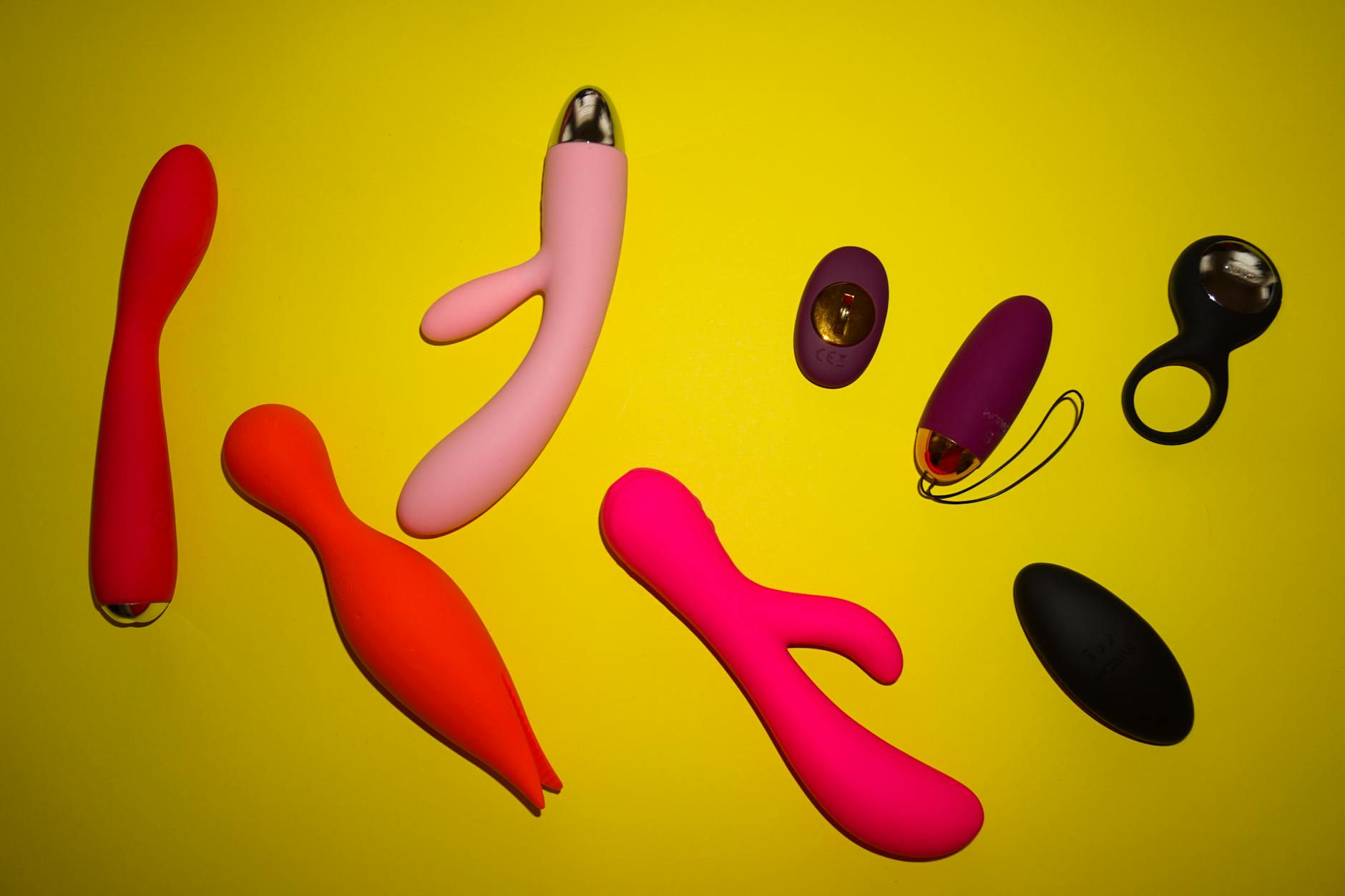
The good news: reconnection is possible. It doesn't happen overnight, and it doesn't happen by forcing yourself. But with patience, safety, and the right approach, you can gradually rebuild your relationship with pleasure. Lemon clitoral vibrators can be part of that toolkit, especially because they give you precise control and immediate physical feedback without requiring penetration or a partner.
Why trauma disconnects you from pleasure
When you experience trauma, your body learns to associate intimacy or touch with danger. Your amygdala (the brain's alarm system) becomes hyperactive. Even when you're physically safe now, your nervous system doesn't know that yet. It still sends threat signals.
This shows up as:
- Numbness or decreased sensation during touch
- Difficulty reaching arousal or orgasm
- Panic or flashback during sex, even with a trusted partner
- Dissociation (feeling like you're watching yourself from outside your body)
- Shame or guilt when you do feel pleasure
- Difficulty trusting your own body or another person's touch
All of this is neurobiology, not a character flaw. Your brain is trying to protect you. The path forward isn't about forcing pleasure. It's about gradually retraining your nervous system to recognize that pleasure can be safe again.
How lemon vibrators support nervous system healing
Three reasons lemon clitoral vibrators are particularly useful in trauma recovery:
1. You're in complete control. There's no partner touch, no surprise, no one else's rhythm to adjust to. You decide when to start, stop, pause, or change intensity. This sense of agency is crucial because trauma often strips away your sense of control. Reclaiming it slowly, in your body, matters.
2. The suction mechanism is gentle and broad. Unlike traditional vibrators that require direct friction, lemon vibrators use air-suction technology that stimulates a wider area without intense pressure. For people rebuilding their relationship with sensation, this diffuse stimulation often feels less triggering than pinpoint vibration. You can feel pleasure without it being overwhelming.
3. Immediate feedback builds trust. Each time you use a lemon vibrator and nothing bad happens, your brain collects evidence that touch and pleasure are safe again. Over weeks and months, this rewiring actually changes your nervous system. It's not magical. It's neuroplasticity in action.
Starting again: the foundation before you even turn it on
Using a lemon vibrator after trauma isn't about jumping into intensity. It's about meeting yourself where you are.
Create actual safety. Lock the door. Put your phone away. Tell your partner or household that you need 30 minutes alone. Safety isn't just physical. It's the absence of interruption, judgment, or pressure. Your brain needs to know you won't be startled.
Check in with your body first. Before touching yourself, spend five minutes noticing what you feel: tension in your jaw, your shoulders, your stomach. Don't try to fix it. Just notice. This simple act of attention is the beginning of reconnection. You're literally practicing being inside your body instead of floating outside it.
Start with external touch only. No penetration, no internal stimulation. Your external genitals have thousands of nerve endings. That's more than enough to work with. Many people find that staying external for weeks or months is what they actually need.
Use lube. Trauma can reduce natural lubrication because your nervous system is on high alert. Water-based lubricant is your friend. It removes friction, which means you can focus purely on sensation without discomfort. It also signals to your body that you're taking care of it.
How to actually use a lemon vibrator in recovery
Honestly, the patterns that work best are less about technique and more about attention and rhythm.
Session 1-3: Sensation mapping. Don't turn it on. Just hold the lemon vibrator and let it sit on different parts of your vulva. Notice where it feels good, neutral, or triggering. Your body will tell you. Some areas might feel safer than others. That's information, not failure. Spend as much time here as you need.
Session 4-7: Low and slow. Turn the lem vibrator to pattern 1 (the gentlest setting). Use it for 60-90 seconds at a time, then pause. Wait 30 seconds. Do it again. You're not trying to come. You're teaching your nervous system that pleasure can arrive and then safely recede. This on-off pattern is more neurologically healing than sustained stimulation.
Session 8+: Following your body's cues. As weeks pass and you feel safer, you might notice that arousal begins to build naturally. You might want longer sessions, or a slightly stronger pattern. Follow that. If at any point you feel panic, numbness, or disconnection, pause. That's your nervous system telling you it needs more time. Honor that.
Track what works. Keep a simple note: date, which pattern, how long, how you felt before and after. Over time, you'll see patterns. Maybe pattern 3 feels safer than pattern 5. Maybe morning sessions feel different than evening ones. Maybe you need more time to warm up. This data is gold because it gives you predictability, which your nervous system craves.
When to work with a therapist alongside this
Using a lemon vibrator is part of healing, not the whole thing. Trauma recovery almost always benefits from working with a trauma-informed therapist, especially someone trained in somatic therapy (body-based approaches) or EMDR.
A good therapist can help you:
- Identify specific triggers and develop grounding techniques
- Process the trauma itself, not just manage symptoms
- Navigate communication with a partner if you have one
- Understand why certain sensations feel dangerous
- Build a nervous system regulation toolkit beyond just vibrators
If you're working with a partner, couples therapy that specifically addresses trauma and sexuality can be transformative. They're not the same as individual therapy, and both are valuable.
Red flags: when to pause and seek help
If you experience intense panic, dissociation that doesn't pass within a few minutes, persistent numbness after several weeks, or a sense that you're retraumatizing yourself, pause the vibrator work. This doesn't mean you've failed. It means you need more support from a therapist before adding this tool.
Trauma exists on a spectrum. Some people benefit from starting with a vibrator right away. Others need months of therapy first. There's no timeline you should be on except your own.
The bigger picture: pleasure as an act of healing
Here's what I want you to know: reconnecting with pleasure after trauma is an act of resistance. It's your nervous system learning that your body belongs to you. That touch can be safe. That you deserve to feel good.
Using a lemon vibrator is one small, practical way to practice that. It won't erase what happened. But over time, as you accumulate evidence that pleasure can be present without danger, your brain rewires. Your nervous system relaxes. You reclaim a part of yourself.
Take your time. Be kind to yourself. And know that many people have walked this path and found their way back to pleasure. You can too.
People also ask
Can I use a lemon vibrator if I'm triggered by any touch?
Yes, but with modifications. Start by holding the vibrator without turning it on, just to get used to it being near you. Some people benefit from keeping it in a closed case nearby without looking at it for a week, just to normalize its presence. The key is going slow enough that your nervous system doesn't perceive it as a threat. If even the sight of it triggers panic, that's useful information. You might need to store it out of sight initially and bring it out only when you've done grounding work first.
How long does it take to reconnect with pleasure?
There's no standard timeline. Some people feel a shift in 4-6 weeks. Others take months or longer. What matters is consistency and patience, not speed. Even if you have a session where you feel nothing, you're still rewiring your nervous system just by being present and safe in your body. Progress isn't always visible, but it's happening.
Is it normal to feel guilty while using a vibrator after trauma?
Completely normal. Trauma often carries shame about pleasure or sexuality. Your brain might tell you that you don't deserve to feel good, or that pleasure is inherently unsafe. That's the trauma talking, not truth. The guilt usually decreases as you accumulate evidence that pleasure and safety can coexist. A therapist trained in shame-based trauma can help accelerate this.
Should I tell my partner I'm using a lemon vibrator as part of healing?
That depends on your relationship and your comfort level. If you have a partner you trust, telling them can increase intimacy and help them understand what you need. You might say something like: "I'm working through some things with a therapist, and I'm also using a vibrator to help my nervous system relearn that pleasure is safe. This is about me rebuilding my relationship with my body, not about anything being wrong with our connection." If you don't have a partner or don't feel safe disclosing, this is purely your private healing work.
Can a lemon vibrator help if I've been numbed by medication?
If your numbness is from medication (like certain antidepressants), a vibrator can still help, though for different reasons than trauma recovery. The broad, gentle suction of lemon clitoral vibrators often feels more stimulating than traditional vibrators when sensation is reduced. Start with lower patterns and give yourself weeks of consistent use. Some people find that once they've adjusted to their medication, sensation returns naturally. Others benefit from talking to their doctor about switching medications if the side effect is affecting quality of life.
What if I don't feel anything the first time I use it?
Don't panic. Numbness after trauma is common and doesn't mean the vibrator won't eventually help. Your nervous system is protecting you by muting sensation. Use it again in a few days. Keep the sessions short. Over time, as your brain recognizes the safety pattern, sensation usually begins to return. If you feel nothing after 8-10 sessions over several weeks, that's worth discussing with a trauma-informed therapist.
Final thought
Trauma survivor, you deserve pleasure. You deserve a body that feels like home again. A lemon vibrator is just one tool on that journey. The real work is the time you take with yourself, the therapy you pursue, and the radical act of choosing your own healing. Everything else, including the vibrator, is just scaffolding around that commitment. You've got this.