The fight that killed your libido
You had an argument. Maybe it was about money, maybe about feeling unseen, maybe about something stupid that somehow became everything. Now your partner wants to reconnect physically and you feel absolutely nothing. No spark, no interest, barely a flicker of arousal when they touch you. This is not broken. This is your nervous system doing exactly what it's supposed to do.
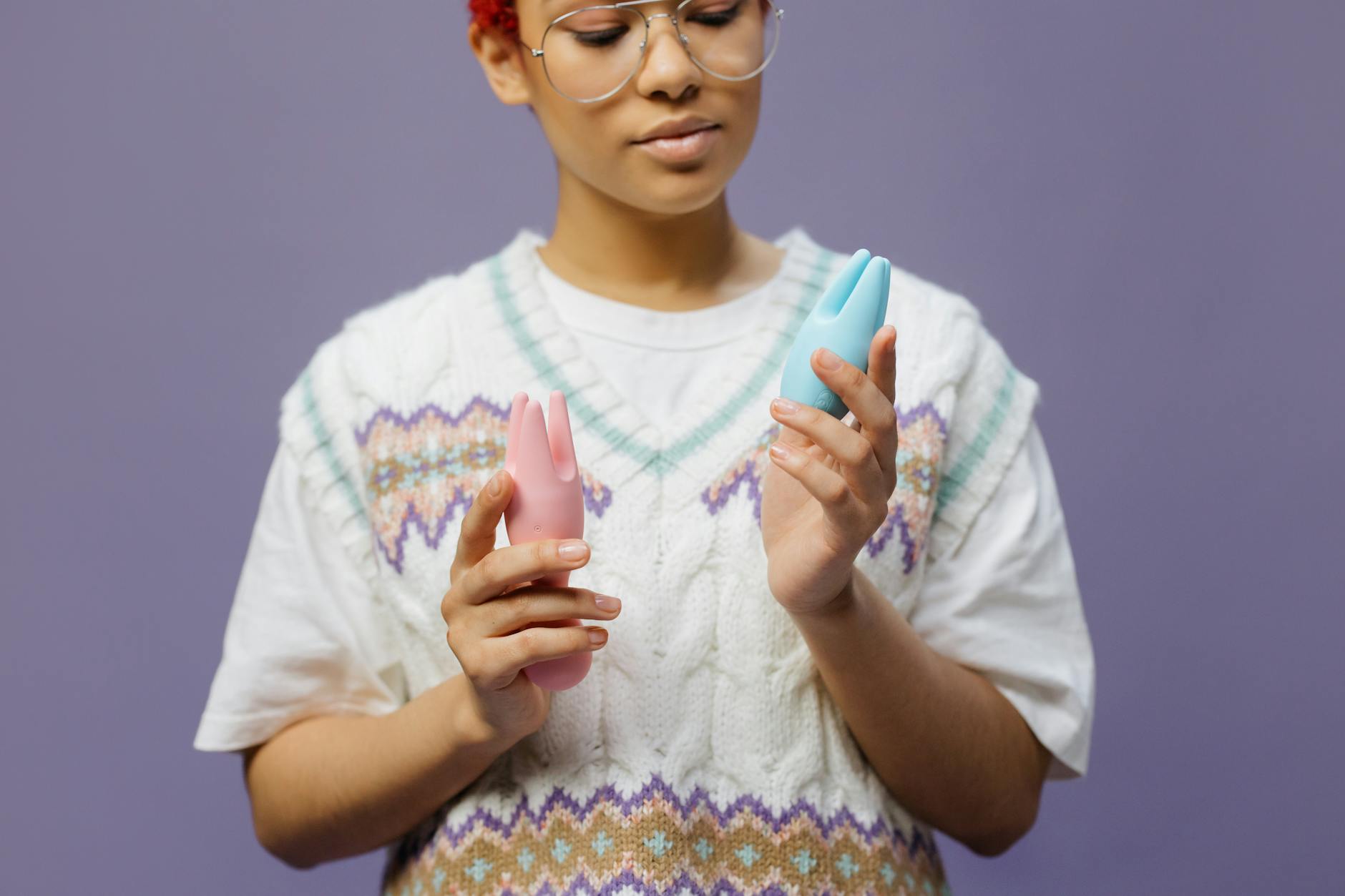
Conflict puts your body into a threat state. Stress hormones flood your system. Arousal literally cannot happen when your brain is still in fight mode. Most people think they need to wait for desire to return on its own. You don't. There's a smarter move: use solo pleasure with a lemon clitoral vibrator to reset your nervous system first.
This isn't about forcing arousal. It's about giving your body permission to feel safe again.
Why desire disappears after conflict
Here's the neuroscience: when you argue, your sympathetic nervous system activates. Cortisol and adrenaline flood your bloodstream. Blood redirects away from your genitals and toward your muscles. Your brain literally cannot access the neural pathways for pleasure while it's scanning for threat.
Adding physical touch with a partner during this state feels like pressure, not invitation. Your body tenses. Nothing happens. Then you both feel rejected and the cycle deepens.
But when you pleasure yourself alone, you're sending a different signal to your brain. You're saying: I'm safe. The threat has passed. My body deserves to feel good again. That signal is powerful. A lemon vibrator amplifies it because suction stimulation activates pleasure pathways without requiring the kind of friction that can feel intense when you're already tense.
Start with your nervous system, not your clitoris
Don't jump straight to the lemon vibrator. You need to calm your system first.
Spend 15 to 20 minutes doing something that signals safety to your brain. A warm shower. A walk outside. Lying down with your hand on your heart, breathing slowly. Listen to music that feels grounding, not stimulating. The goal is not arousal. The goal is: I'm no longer in danger.
Once you feel that shift, then pick up your vibrator. You'll notice the difference immediately. Your body won't be braced for impact. Your muscles will be softer. Your breathing will be slower.
That's when you begin.
How to use a lemon clitoral vibrator after conflict
Start on the lowest pattern. With the Lem, that's pattern one. Run it over your inner thighs, your labia, your lower belly. Not your clitoris yet. You're literally rewiring your nervous system's association with touch. For five to ten minutes, keep the pressure light. Let your body remember that stimulation can feel safe and good.
When you eventually bring the vibrator to your clitoris, use the same lightness. The suction sensation doesn't require the direct pressure of other vibrators, which matters. After conflict, you're often holding tension in your pelvic floor without realizing it. Suction feels less aggressive against a tense body.
Keep your eyes open or closed, whichever feels more grounding. Breathe slowly. If your mind wanders to the argument, that's normal. Don't fight it. Just notice and return your attention to the sensation.
You're not trying to orgasm. You're rewiring safety.
The orgasm will come second
Many people find that the first time they pleasure themselves after conflict, they don't orgasm. That's completely fine. The point is nervous system reset, not climax. Your body is learning that pleasure and safety go together.
On the second or third time, your body will start to remember how to build arousal. You might notice your breathing shift or your muscles engage differently. That's your system coming back online. Let it happen at its own pace.
When you do orgasm, it often feels different after conflict. Sometimes sharper, sometimes softer, sometimes more emotional. All of that is your nervous system recalibrating. That's the point.
The conversation with your partner
Here's what not to say: 'I need space' without context. Here's what to say: 'My body is still processing what happened. I'm going to take time alone to reset, and then I'll be more present with you.'
If your partner understands that solo pleasure after conflict is about reconnection, not avoidance, they'll feel less rejected. And you won't feel the pressure to perform arousal before you actually feel it.
You can also tell them what helped: 'I used the time to calm down and feel safe in my body again.' Many partners find that reassuring. It means you're not withdrawing. You're actively working toward intimacy.
When to bring your partner back in
Don't have sex immediately after your first solo session. You've reset your nervous system, but the relational trust is still healing. That takes a little longer.
Instead, do something that builds closeness without pressure. Hold each other. Kiss. Use your hands or your vibrator on each other without an end goal. The Lem works beautifully for partner play too, especially when you're rebuilding after conflict, because it doesn't require the stamina or pressure that friction vibrators do.
Let your body guide the timing. Many people find that after two or three solo sessions, they're ready to bring their partner back into solo play. Then partnered play. The progression feels natural because your nervous system is leading the way, not the calendar.
Common questions when conflict kills your libido
How long does it usually take for desire to return after a big fight?
Every system is different. For some people, 24 to 48 hours of solo pleasure gets them back online. For others, especially if the conflict was about something deeper, it can take a week or more. Don't rush it. Your body's timeline is accurate. It's telling you what you actually need, which is usually more time than your mind thinks is reasonable.
Is it weird to use a vibrator alone when my partner wants to be intimate?
No. It's actually the opposite. You're building a bridge back to intimacy, not avoiding it. Taking care of your nervous system solo is an act of partnership. It means you'll show up more present when you do reconnect.
Can I use a lemon vibrator with my partner right after conflict if we both want to?
Yes, if your body genuinely feels ready. But check in with yourself first. Does your pelvic floor feel relaxed or tense? Is your breathing shallow or deep? Can you actually feel pleasure or are you performing it? If the answers lean toward tension and performance, solo time first will make partnered time so much better. If your body is genuinely ready, go ahead.
What if conflict happens during my period or when hormones are already low?
Even more reason to use a lemon clitoral vibrator. Hormonal fluctuations plus conflict can create a double nervous system hit. Solo pleasure during your cycle is especially powerful because it increases blood flow, can ease cramps, and reminds your body that it's resourceful and capable.
Does using a vibrator alone damage my ability to orgasm with my partner?
No. The opposite, actually. Understanding your own arousal pathway makes partnered sex better. You know what you need. You can communicate it. That's intimacy.
What if I orgasm alone but still can't relax with my partner?
That might mean the conflict touched something deeper than today's argument. A pattern, a trust issue, something unresolved. That's worth exploring together, maybe with a couples therapist. Solo pleasure with a lemon vibrator is powerful, but it's not a substitute for the conversations that rebuild relational safety.
The bigger picture
Conflict will happen. It's not a failure. How you recover from it is what builds real intimacy. Using a clitoral vibrator to reset your nervous system after an argument isn't selfish or avoidant. It's strategic. It's you taking responsibility for your own pleasure and your own nervous system so you can show up more fully in your relationship.
Your body deserves to feel safe. Your partnership deserves your presence, not your performance. A lemon vibrator is just the tool. Your intention to reconnect is the real work.