
When desire vanishes, then comes back
Here's the thing nobody talks about: hormones don't just turn desire off and leave it off. They turn it off, leave it off for a while, then sometimes turn it back on. And that return can feel completely disorienting.
You've spent months or years without wanting sex. You've made peace with it. Your body and mind have adjusted. Then suddenly, or gradually, or in fits and starts, arousal creeps back in. And your instinct is probably relief mixed with total confusion: Is this normal? Will it last? Do I remember how to do this?
It is normal. It often does last. And your body hasn't forgotten anything.
What hormonal suppression actually does to desire
When your hormones are low or unstable, a few things happen simultaneously. Estrogen and testosterone both affect the brain regions responsible for sexual motivation. Without them, the mental "wanting" quiets down. At the same time, your genitals get less blood flow, which means arousal takes longer to build and feels less intense when it does.
The tricky part is that these two layers of suppression feel like a choice. You convince yourself you're just not interested anymore. But it's not a choice. It's biology wearing a disguise.
When hormones stabilize or shift, that cycle reverses. The brain starts getting signals again. Blood flow returns. Sensation wakes up. And suddenly you're noticing someone attractive, or you're thinking about sex in the shower, or you're touching yourself and it actually feels interesting. That's not new desire arriving. That's old desire removing the muzzle.
Why the return of desire can feel weird
Three reasons most people don't expect:
1. Your body feels unfamiliar. If you haven't been aroused in months, your genital tissue has adapted to that baseline. When blood flow returns, it feels different. Swelling, sensitivity, warmth. It can feel almost foreign, like meeting your body again for the first time.
2. Your mind is skeptical. You've already grieved this part of yourself. You've integrated the idea that desire is gone. When it comes back, there's a weird mix of relief and doubt. Is it staying? Am I reading this right? The mental resistance can actually suppress the physical response, creating a catch-22.
3. Your timing expectations are off. When you were regularly aroused, you knew the rhythm. How long warm-up took. What accelerated things. If that was five years ago, your reference point is ancient history. Your body may move faster or slower now. The script has changed.
How to meet returning desire with a lemon vibrator
A lemon clitoral vibrator is particularly good for this moment because it bridges the gap between "my body is waking up" and "I'm not ready for full-intensity stimulation yet."
Here's the practical approach.
Start with patterns 1-3, not the ones that feel strongest
When desire returns, there's a temptation to jump to the settings that used to work. Don't. Your sensitivity has recalibrated. What felt moderate before might feel overwhelming now. The lem vibrator offers gentle suction patterns that build gradually, which is exactly what returning arousal needs.
Start at pattern 1 for the first few sessions. Notice how your body responds. The point isn't intensity. It's reconnection. You're teaching your nervous system that this is safe, and your genitals that they're welcome to participate again.
Give yourself 20-30 minutes of exploration time
When hormones suppress desire, your arousal ramps up slowly. That doesn't always change the moment your hormones shift. Your body might still need more warm-up time than you used to. Budget time. Start without the vibrator. Touch your breasts, your inner thighs, your vulva with your hands or a partner's hands. Let arousal build on its own for 10-15 minutes before introducing the lemon sucker.
This isn't foreplay. It's reconnection. You're giving your nervous system permission to gradually wake up, rather than shocking it awake.
Track what changes week to week
Your body is in transition. Sensitivity, arousal speed, and what feels good might shift noticeably week to week as hormones continue to stabilize. Instead of expecting one consistent response, notice the variation. Does it take longer to get wet this week? Is sensation sharper or duller? Is your clitoris more or less sensitive to direct pressure?
That tracking isn't obsessive. It's practical data that helps you adjust your approach each session.
Use more lube than you think you need
Even when desire is returning, hormonal changes often affect how much natural lubrication your body produces. This is separate from whether you're aroused. Water-based lube ensures the lemon vibrator's suction works effectively without friction that might feel uncomfortable on tissue that's still adjusting.
Apply it before you start, and reapply halfway through. You're not compensating for a problem. You're removing friction so sensation can be clear.
The mental shift that actually matters
There's a gap between "my body is capable of this again" and "I trust my body with this again." Bridging that gap is less about technique and more about permission. You've been living in a body that didn't want sex. That's real. That was true. Now you're in a body that wants sex again. That's also real, also true, and it doesn't erase the first part.
Most people try to go from zero to normal instantly. Instead, try thinking of this as a third phase. Phase one was normal desire. Phase two was suppressed desire. Phase three is the return, and it has its own rhythm. It doesn't need to look like phase one. It can be slower, more tentative, more exploratory. That's not weakness. That's wisdom.
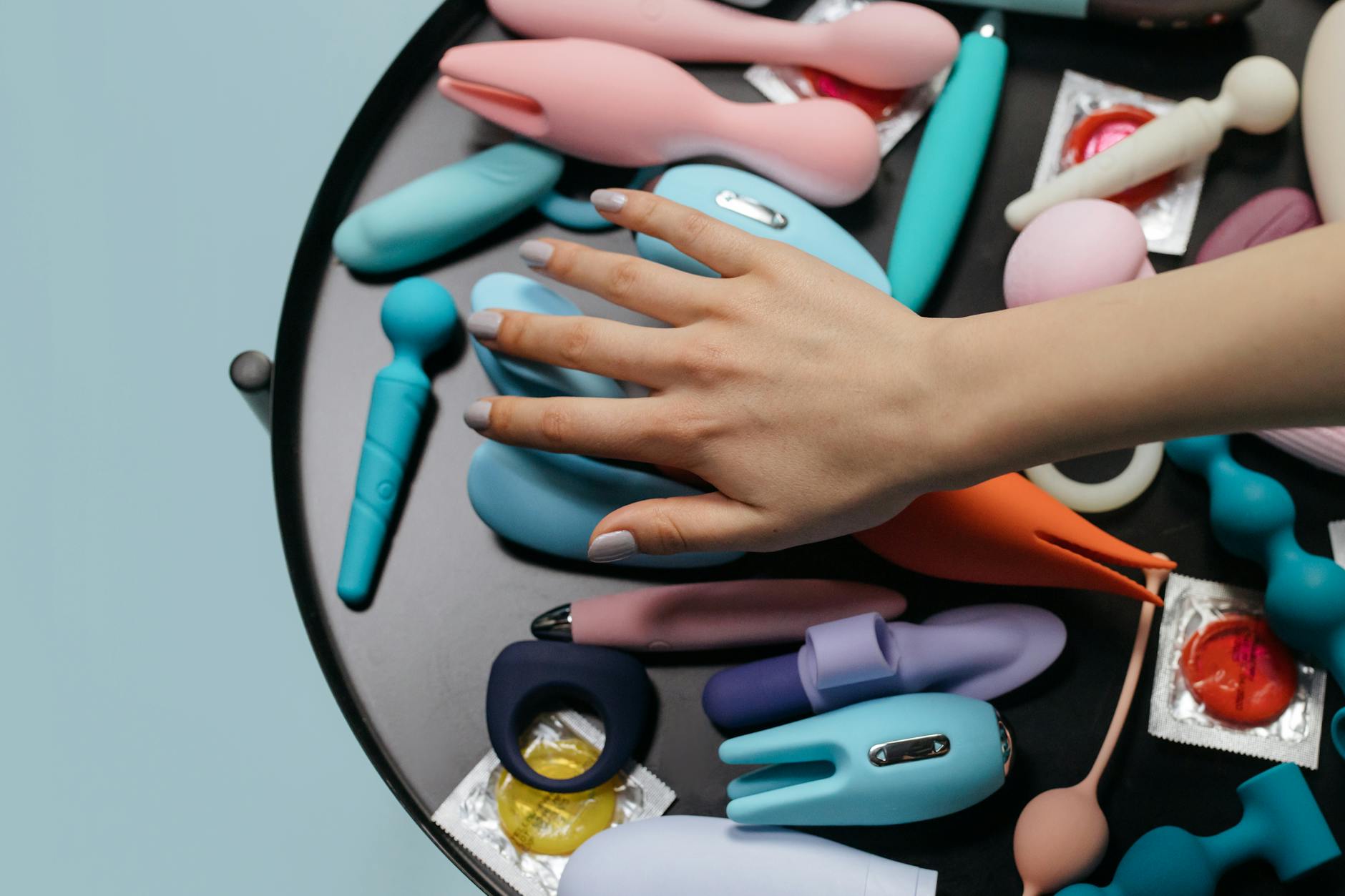
Photo by cottonbro studio on Pexels
When you have a partner in this transition
If you're in a relationship, this shift can feel confusing for both of you. Your partner has also adjusted to your lower desire. When you suddenly want sex again, the timing might not align. You might be ready and they're not. Or they're relieved and pushing a little too hard, which triggers that skepticism we talked about earlier.
The conversation to have is separate from the sex itself. Tell them: "My body is starting to respond sexually again, and I'm learning what that feels like. I need to go slowly and explore on my own sometimes. This isn't about you. This is about me rebuilding trust with my own body."
That clarity prevents the common pattern where returning desire becomes entangled with relationship pressure, and then disappears again because the mental safety isn't there.
When returning desire is inconsistent
Some days you'll feel aroused. Some days you won't. Some weeks you'll want to use your lemon vibrator three times. Some weeks you'll forget it exists. That inconsistency doesn't mean the return of desire is failing.
Hormones take months to fully stabilize, depending on what caused the suppression in the first place. Your brain is relearning how to produce arousal. Your body is relearning what responsiveness feels like. Neither of those processes is linear. Inconsistency is the default. Consistency is what you're building toward, not what you should expect immediately.
The best practice is to check in with yourself once a week without judgment. Are you noticing more moments of arousal than last month? More physical responsiveness? More willingness to explore? If yes to any of those, it's working. If no, that's information too. It might mean your hormones need more time, or it might mean you need to address something emotional that's still dampening desire. Either way, you're learning.
The role of a lemon clitoral vibrator in rebuilding arousal
A lem vibrator isn't the answer to returning desire. Your own nervous system and hormonal stability are the foundation. But a lemon sucker is an excellent tool for this particular moment because it offers gentle, buildable stimulation that doesn't demand intensity from a body that's still remembering how to respond.
The suction pattern is also lower-pressure than traditional vibration, which means your sensitivity can wake up gradually without being overwhelmed. That's exactly what a body in transition needs.
FAQ: Questions about returning desire and lemon vibrators
How do I know if my desire is really back versus just a temporary shift?
Temporary shifts in arousal happen. Real returning desire shows up more consistently week to week, even if the intensity varies. Give it four to six weeks. Notice patterns across multiple sessions, not just one good experience. If you're seeing more responsive days than unresponsive ones, and that trend continues, your desire is genuinely shifting back.
Can I damage my body by using a vibrator too much when desire is returning?
No. Your body won't be harmed by regular use of a lemon vibrator. The only real limit is your comfort. If an area feels sore or irritated, take a break and use more lube next time. Your clitoral tissue is resilient. It won't "wear out" from stimulation.
What if I get aroused but can't orgasm?
That's common during hormonal transitions. Orgasm relies on a cascade of neural and hormonal signals, and those take time to fully restabilize. If arousal is returning but orgasm isn't yet, that's not failure. You're partway there. Keep using your lemon clitoral vibrator on lower settings, keep giving yourself time, and keep checking in with whether orgasm matters in this moment or whether the arousal itself is enough. Sometimes pleasure isn't about the destination.
Should I tell my partner my desire is returning, even if I'm not sure it will last?
Yes. Partners aren't mind readers, and they often interpret low sexual interest as something they did wrong. Telling them "I'm noticing arousal coming back, but I'm taking it slowly to understand what's happening" gives them context and hope without creating pressure. You're letting them in without handing them control.
How does using a lem vibrator alone differ from with a partner?
Solo use lets you explore at your own pace without needing to coordinate with someone else's readiness or timing. Partner use can feel emotionally connecting if your partner is on board and patient. There's no hierarchy. Both are valuable during returning desire. Solo exploration often helps you rebuild confidence in your own body before bringing someone else in.
What if my desire starts returning and then disappears again?
That's possible, especially if you're still in a hormonal transition period or if emotional factors are suppressing arousal underneath the hormonal piece. If it happens, don't panic. Go back to what was working. Give yourself more time. And consider whether something else changed emotionally or relationally that might have triggered the dip. Returning desire is rarely perfectly linear.
What you actually need to remember
Your body didn't forget how to want sex. It muted desire temporarily to protect you or to adapt to a biological shift. Now that desire is surfacing again, that's not weakness or naivety. That's healing. A lemon vibrator can support that process, but what matters most is your own patience with yourself as your nervous system remembers how to respond.
Start low, go slow, and trust that your body is telling you something true. If you want support thinking through the emotional side of this transition, reach out. We can talk through what's shifting for you.