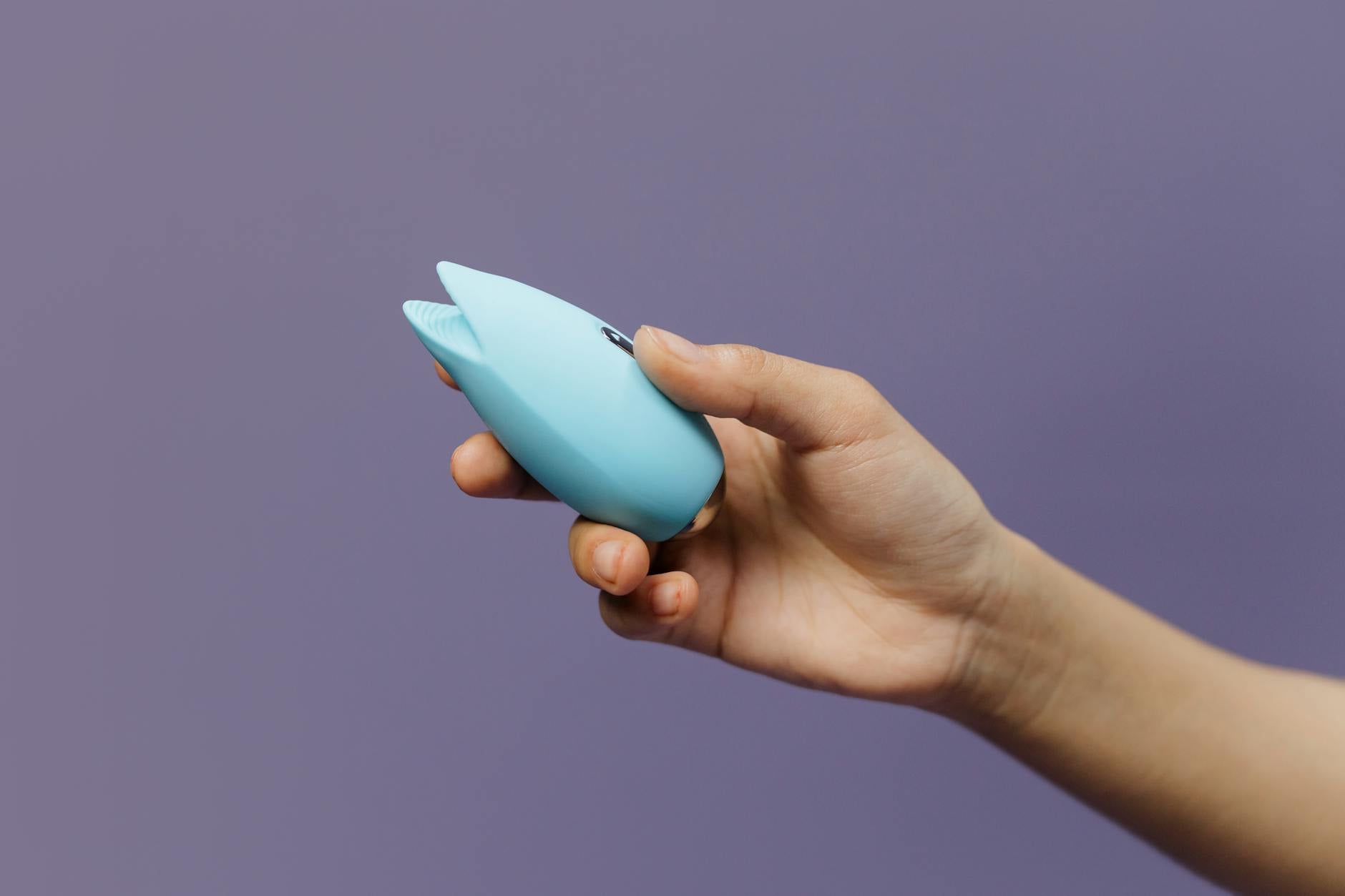
Here's what happens when partners can't talk about pleasure
You're sitting on the couch. One of you wants something different. The other person feels like every conversation about sex ends in defensiveness, or silence, or someone leaving the room. So you both stop trying. And the longer you don't talk about it, the harder it gets to start.
I see this pattern constantly in my practice. The good news: you don't have to fix the communication first to move forward. Sometimes the body leads where words can't yet follow.
Why words get stuck in the first place
Three reasons communication about pleasure breaks down, and none of them mean your relationship is broken.
Shame is louder than desire. One or both partners grew up in environments where sex wasn't discussed openly. The vulnerability of saying "I want this" or "that doesn't work for me" activates an old nervous system response: protect yourself by being quiet.
Past criticism lingers. If a partner has ever laughed, looked uncomfortable, or made a comment that landed wrong, vulnerability becomes genuinely dangerous. Your body remembers that and locks down to protect you.
Neither of you knows what you want yet. This is the one nobody talks about. A lot of people have had a lot of sex without ever actually exploring their own pleasure independent of someone else's needs. When that's true, how do you communicate about pleasure? You don't know what to ask for.
The role of a lemon vibrator when talking is hard
A lemon clitoral vibrator doesn't fix communication problems. But it creates conditions where communication becomes possible in a different register.
When you introduce a shared tool for pleasure, you shift from abstract conversation to concrete, somatic experience. Instead of debating whether foreplay matters, you're both watching what happens when you slow down. Instead of theorizing about intensity, you're discovering together what rhythm actually feels good.
The lemon's suction design is particularly useful here because it's forgiving. It doesn't require the pinpoint aim of other vibrators, which means less self-consciousness and more room to relax. That relaxation is where trust starts to rebuild.
The practical setup: how to introduce it
Don't start with a conversation about the vibrator. Start with an experience.
Choose a time when you're both rested, relatively calm, and genuinely available. Not the Friday night when you're both exhausted, not when someone's irritated. Set about twenty to thirty minutes aside and actually protect it. Phone away, door locked, no anticipation of interruption.
Start with non-sexual touch. This is not skipping steps. Hold each other. Kiss without any expectation of where it goes. Let arousal build slowly without any tool yet. This is the part that tells your nervous system: this is safe, we're unhurried, nothing's being demanded.
When there's clear arousal and comfort, introduce the lemon. You might say something simple: "I want to try something together that I think might feel good." That's it. You don't need a thesis. Bring the vibrator to the conversation naturally, the way you'd suggest trying a new position.
Start on the lowest setting. One partner holds it, or they hold it together initially so it's a shared act, not something being done to someone. This matters for nervous systems that associate pleasure devices with performance pressure.
What to pay attention to as you explore
You're not trying to achieve anything. You're gathering data.
Notice where the vibrator feels good. Is it the clitoral glans, or is there more pleasure slightly to the side? Does moving it in circles work better than staying still? Does a particular pattern make breathing deepen or shoulders relax? These details are information, not judgment.
Watch what happens to his or her body. Are they breathing more slowly? Did they make a sound? Are they moving their hips or pressing back against the vibrator? These are real answers about what actually works, spoken in body language instead of words.
If something doesn't feel good, that's also crucial information. Notice what the instinct is: do they pull away, or do they stay still and tense? A pull-away usually means genuine discomfort. Staying still while tense usually means anxiety or self-consciousness, which is different and sometimes changeable with reassurance.
The person using the vibrator might also ask gentle questions: "How does this feel?" or "Should I move it differently?" But keep language minimal. Too much talking pulls people out of sensation and back into their heads.
After the first experience: building on it
When it's over, rest together without immediately dissecting what happened. Your nervous systems need integration time. Lie together for five or ten minutes. Light touch, soft attention, presence.
Later that day or the next day, one small conversation: "That felt good." "Yeah, me too." You don't need more than that. You're telling each other it was worthwhile.
The second time is usually easier. Both people know what to expect. The shame activation is lower. You can linger longer, explore different patterns, maybe switch who's holding the vibrator.
Over time, the lemon vibrator becomes a language you both speak. It's not a substitute for words, but it removes the pressure of being eloquent about something you may have never had permission to want. Your bodies are doing the talking first. Words can follow when they're ready.
When one person is more interested than the other
Sometimes you introduce the idea and your partner seems uncertain or hesitant. This is normal and doesn't mean they don't care about your pleasure.
Many people associate vibrators with infidelity anxiety, or with the idea that they're "not enough." Neither is true, but those stories are loud. If there's resistance, slow down.
You might say: "This isn't about anything being wrong with us. It's about exploring something together that might be fun." Then drop it. Mention it again in a few weeks if you want to, in a different way. Sometimes the idea needs time to stop feeling threatening.
If after multiple gentle conversations they're still resistant, that might point to a deeper communication issue that could benefit from working with a therapist. That's not a failure. It's information that says: we need help with something bigger than this.
What changes when you actually explore together
Here's what I notice after couples spend a few sessions exploring with a lemon vibrator or another tool for pleasure.
The shame around desire starts to lift. When your partner is present, engaged, and choosing to be there while you experience pleasure, something in your nervous system registers: this is allowed. I don't have to hide this.
Trust rebuilds in small moments. Not through a single dramatic conversation, but through repeated experiences of being met with curiosity instead of judgment.
When you finally do have words about pleasure again, they come from a place of actual knowledge instead of anxiety. Instead of "I think I might like more foreplay," it's "Remember how that felt good? More of that."
And intimacy shifts. Not always into more frequent sex, but into deeper presence. You're building something together instead of performing for each other.
FAQ: Communication and shared pleasure
Q: What if we try this and it's awkward? A: Awkwardness is almost guaranteed the first time. Your nervous systems are learning something new. Awkwardness is not a sign of failure. It's part of the process. If you can laugh about it together, that's actually progress. Shared laughter is a form of bonding.
Q: Can I use a lemon vibrator alone and then introduce the experience to my partner? A: Yes. In fact, understanding your own pleasure first removes pressure when exploring together. You'll have clearer preferences to share, and you'll feel less anxious about being "done right." Solo exploration also reduces performance pressure with a partner.
Q: What if my partner wants to use the vibrator on me but I'm nervous? A: Start with them holding it while you guide their hand. This gives you control and prevents that vulnerable feeling of being done to without consent. Once you feel safe, you can let them lead more.
Q: How do I know if we're using the lemon vibrator right? A: If it feels good, you're doing it right. There's no one correct way. Bodies are different. What matters is communication and consent, not technique.
Q: Should we use the lemon vibrator every time we have sex? A: Not necessarily. Some couples use it regularly. Others use it occasionally as a reset button when intimacy has stalled. Both are normal. It's a tool, not a requirement.
Q: What if I suggest this and my partner gets defensive? A: That defensiveness is information. It usually means anxiety about adequacy, not rejection of you. You might acknowledge that: "I'm not saying anything's wrong. I just want to explore together." Then give it time. Some people need weeks to feel safe with an idea before they can try it.
When communication stalls, pleasure becomes the bridge. A lemon clitoral vibrator gives you both permission to show up and explore in a language that doesn't require words. The conversation comes later, built on a foundation of shared experience and returned trust. That's how couples find their way back to each other.