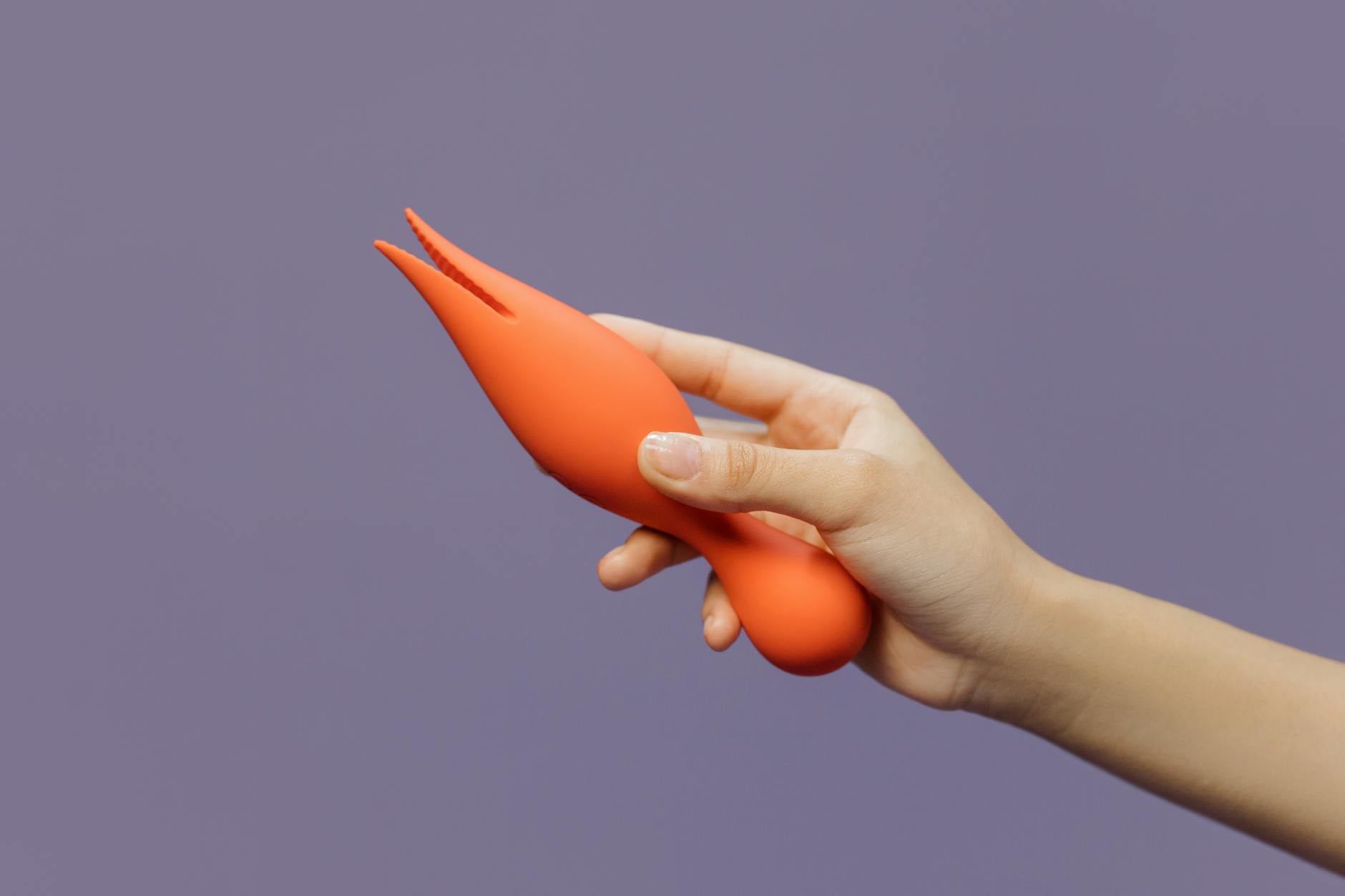
Let's talk about what surgery actually does to pleasure
Surgery interrupts the conversation between your brain and your body. Whether it's gynecological, abdominal, or pelvic floor related, the nervous system needs time to rewire. Your clitoris didn't go anywhere. Your capacity for sensation is still there. But the pathway to it got disrupted, and trying to force it too soon is like calling someone before they've turned their phone back on.
The good news: most people rebuild sensation faster than they expect, especially when they approach it with intention rather than pressure.
The timeline: why waiting matters, and when you can start
Clear this with your surgeon first. That's not optional. Most gynecological surgeries require 4-6 weeks before any internal penetration, but clitoral stimulation from the outside is often cleared sooner. Some surgeons give the green light at 2-3 weeks for external touch. Others want you to wait longer. Ask specifically about external clitoral stimulation, not just intercourse. Those are different conversations.
Once you're cleared, your nervous system still needs coaxing. Pain from surgery can teach your body to brace against touch, even when healing is complete. This is called pain memory, and it's real. A lemon vibrator's gentle suction pattern works differently than friction-based toys because it doesn't require the same kind of direct pressure that can trigger protective bracing in healing tissue.
Why lemon vibrators suit post-surgical sensation rebuilding
Three specific reasons.
First, the suction-based design of a lemon clitoral vibrator stimulates nerves without requiring you to tolerate intense friction. Post-surgical nerves are already sensitive. A suction-based approach feels less aggressive than a vibrator that relies on rapid back-and-forth movement. It's why many therapists recommend them for this exact transition.
Second, you control the intensity from the start. The Lem vibrator, for example, offers multiple settings that let you begin at pattern one and stay there until your nervous system feels ready to move up. There's no guessing. You're not working against a toy designed for someone with fully healed sensation.
Third, external stimulation with a lemon vibrator doesn't require your body to do anything. You're not penetrating. You're not clenching. You're receiving. That permission to be passive rather than active is huge for people whose surgery activated a protective freeze response.
The actual steps: how to rebuild sensation safely
Start with exploration, not goals. The first time you use a lemon vibrator after surgery, the goal is not an orgasm. The goal is information. What does the vibration feel like? Is there numbness? Is there sensitivity? Where does the sensation register? Is it sharp, dull, warm, electric? Spend a session just noticing. No pressure to feel anything specific.
Use it at the lowest setting. If you have a lem vibrator or similar lemon clitoral toy, start at pattern one. Spend 3-5 minutes there. Your nervous system is relearning. Slow wins.
Approach from slightly different angles. The clitoris has thousands of nerve endings clustered in the glans and around the body. Some spots might have better sensation than others right after surgery. Move the lemon vibrator around the clitoral area slowly. You're mapping where sensation is strongest. This isn't foreplay yet. It's neurology.
Stop if anything feels sharp or burning. There's a difference between sensitivity that feels okay and pain that means something is still healing. Sensitivity often fades as you use the toy. Pain usually means wait longer. Trust that distinction.
Build up gradually over weeks, not days. If week one feels good at pattern one, try pattern two in week three. If pattern three feels intense, sit with pattern two for another week. Your timeline won't match anyone else's. That's completely fine.
The emotional part (which is actually the harder part)
Surgery often comes with grief. Your body was altered without your consent, even though you chose the surgery. It hurt. It limited you. Your pleasure got taken offline temporarily. Some people feel disconnected from their body for months after surgery, even when physical healing is complete. That disconnection is normal, and it can make it hard to trust sensation coming back.
When you use a lemon vibrator to rebuild, you're not just rewiring nerves. You're having a conversation with your body about safety. You're saying, "I trust you again. We can do this slowly." That conversation matters more than the sensations themselves.
If you have a partner, this is worth talking about separately from the act itself. "I'm starting to rebuild sensation, and I'm going to be moving at my own pace" is a different conversation than "I want us to resume sexual activity." The first one is about you and your body. The second one involves them, and that's a separate negotiation. Don't collapse them together. It confuses the issue and puts pressure on something that needs gentleness.
When sensation still feels distant after weeks
Some people find that numbness lingers even after they're cleared to use toys. This happens. Surgical trauma can affect the pudendal nerve, which supplies sensation to the clitoris and vulva. If numbness is still significant 6-8 weeks post-surgery and your surgeon has ruled out infection, ask about PT. A pelvic floor physical therapist can use specific techniques to wake up nerve pathways. Combined with a lemon clitoral vibrator at home, this combination often accelerates sensation return.
If you had a complicated surgery, sensation might take 3-6 months to fully normalize. That's not a failure. You're not broken. Nerves heal slowly, and that's okay.
FAQ: Surgery, sensation, and lemon vibrators
Can I use a lemon vibrator if I had cesarean surgery?
Yes, but wait for your surgeon's clearance. Cesarean birth is major abdominal surgery, and while your clitoris wasn't directly involved, the vagal nervous system that controls relaxation and arousal was affected. Most surgeons clear external clitoral stimulation at 3-4 weeks. The benefit of a lemon vibrator is that it doesn't require penetration, so it's lower-stakes than returning to intercourse.
How long until sensation feels normal again?
For most people, 6-12 weeks post-surgery feels noticeably better. Completely normal takes 3-6 months. Some people report that sensation becomes sharper and more defined than pre-surgery, which is a weird gift of the healing process. Every body heals at its own pace.
What if orgasm feels different now?
It might. Surgical changes to tissue, nerve routing, or pelvic floor tension can shift how orgasms feel. They might be more diffuse, more localized, faster to reach, harder to reach, or just different. This doesn't mean something went wrong. It means your body changed, and your pleasure blueprint changed with it. Use a lemon vibrator to explore what the new version feels like. Don't compare it to before.
Can my partner be in the room while I rebuild with a vibrator?
That's your call. Some people find it grounding to have their partner present but uninvolved. Some people need privacy to explore without pressure. There's no right answer. What matters is that whatever you choose feels comfortable, not obligatory.
When should I see a specialist about slow sensation recovery?
If numbness is severe and hasn't improved after 8 weeks, or if you're experiencing sharp pain instead of sensitivity, ask your surgeon for a pelvic floor physical therapist referral. They can assess nerve function and rule out scar tissue complications. This is especially important if you had endometriosis surgery, hysterectomy, or any procedure that involved the pudendal nerve.
Is it normal to feel emotionally avoidant about using a lemon vibrator after surgery?
Completely normal. Surgery can activate a protective response where your body feels unsafe. That fear response doesn't resolve just because the incision healed. If using a vibrator triggers anxiety, emotional support from a therapist (especially one trained in somatic work) can help. Your nervous system is doing its job. It just needs reassurance.
How to know when you're truly ready for more
You know sensation is returning when touch starts to feel pleasurable again, not just neutral. When you find yourself wanting to use your lemon vibrator rather than feeling obligated to. When you can spend 10-15 minutes exploring without bracing or freezing. When the conversation in your body shifts from "Is this safe?" to "What does this feel like?"
That's when you know rebuilding is working.
Surgery interrupted your pleasure, but it didn't end it. A lemon clitoral vibrator is one of the gentlest ways to reopen that conversation with your body. You're not forcing anything back online. You're inviting sensation to return on its own schedule. And that matters more than you might think.
If rebuilding feels stuck or overwhelming, reach out to a relationship coach or somatic therapist who specializes in post-surgical intimacy. You don't have to navigate this alone. We're here to help.