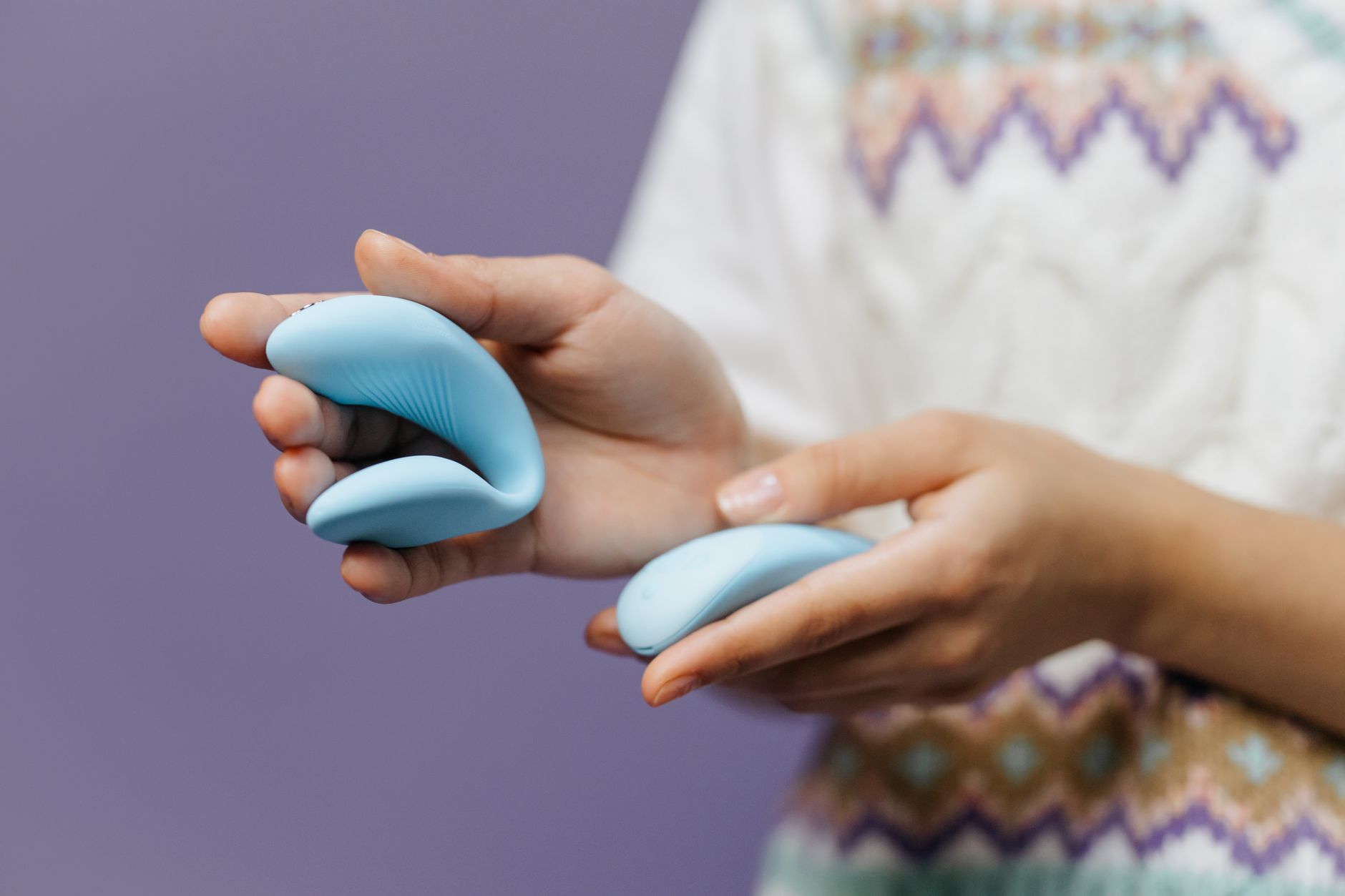
Here's what nobody tells you about perimenopause and pleasure
Perimenopause isn't one thing. It's years of your hormones doing a slow, unpredictable dance, and your body responding differently almost every cycle. One week, arousal builds easily. Three weeks later, it's like trying to start a car with a dead battery. This is wildly normal. And it's wildly frustrating.
The good news: sensation doesn't disappear during perimenopause. It shifts. And once you understand the shift, lemon clitoral vibrators become your secret advantage.
What estrogen fluctuation actually does to arousal
During perimenopause, estrogen rises and falls unpredictably, sometimes multiple times in a single cycle. This isn't smooth. This is a roller coaster.
Estrogen affects blood flow to genital tissue, sensitivity of nerve endings, and how quickly your body can generate lubrication. When estrogen dips, tissues become less plump, sensation dulls slightly, and arousal takes longer to build. When it spikes, things feel almost back to normal. Then it drops again.
The result: you might orgasm easily Monday and feel completely numb by Friday. This isn't a personal failing. This is biochemistry.
What doesn't change is the clitoral structure itself. The clitoris has over 8,000 nerve endings regardless of your hormone level. They're all still there. They're just responding to different amounts of estrogen and blood flow.
Why lemon vibrators work better during hormonal fluctuation
A lemon clitoral vibrator uses gentle suction and pulsing patterns, not hard vibration. This matters enormously during perimenopause.
When tissues are less swollen from lower estrogen, direct pressure can feel uncomfortable or overstimulating. Suction, by contrast, creates a gentle, sustained pull that works with your body's current state, not against it. It doesn't require maximum tissue thickness or perfect lubrication to feel amazing.
Lemon vibrators also give you pattern control. You can start at lower intensities and build up, which is exactly what perimenopause-era pleasure needs. That slow ramp matters more now than it did at 25.
How to use a lemon vibrator when sensation is unpredictable
Start with lower settings, always
During the high-estrogen phase of your cycle, you might handle intensity level 5 easily. During the low phase, level 2 might feel intense enough. Your body is telling you the truth. Listen to it.
With a lemon clitoral vibrator, spend the first two to three sessions discovering what intensity level feels right today. Don't assume it's the same as last week. The goal isn't maximum sensation. It's consistent, predictable pleasure.
Time it with your cycle if you can
If you track your cycle (apps like Flo or Clue are decent), try to notice the pattern. Most people find that arousal builds more easily in the week after ovulation, when estrogen is rising. The week before your period, when estrogen drops, you might need longer warm-up time and a lemon sucker set to a gentler mode.
You can't control your hormones, but you can work with their rhythm instead of fighting it.
Budget more warm-up time
During perimenopause, expect arousal to take 15-20 minutes to build, even when you're genuinely interested. This isn't low desire. This is biology. A lemon vibrator helps, but it's not magic. The warmth, foreplay, and mental engagement still matter.
Don't jump straight to the device at level 5. Start with what feels good at a low level, let your body respond, then gradually increase intensity as sensation builds.
Lubrication becomes non-negotiable
Lower estrogen means less natural lubrication, period. This isn't a problem to shame yourself over. It's a problem to solve.
Use a water-based lubricant generously. This protects sensitive tissue and makes every sensation clearer, not muffled. A lemon vibrator glides better with lubrication, and you'll actually feel more, not less.
Managing the emotional side of shifting sensation
Here's the thing people don't prepare you for: the emotional weight of perimenopause is often bigger than the physical side.
You've known your body one way for decades. Now it's changing, and you're supposed to just accept that? That's a grief, actually. And it deserves acknowledgment.
Many people find that during perimenopause, solo pleasure becomes even more valuable than partnered sex because you can explore without self-consciousness. You can take 25 minutes instead of 10. You can try a lower intensity. You can figure out what your body actually needs right now, not what you think it should want.
A lemon clitoral vibrator can help restore sensation after hormonal shifts, but it works best when you're also working with your body, not against it.
When sensation changes point to something else
If arousal feels completely flat for weeks at a time, or if you feel pain during pleasure, that's worth mentioning to a doctor. Perimenopause does change sensation, but it shouldn't create numbness or pain.
Your GP or gynecologist can check for:
- Genitourinary syndrome of menopause (GSM). This is thinning and drying of genital tissues. It's incredibly common and very treatable.
- Thyroid function. A sluggish thyroid can tank desire alongside perimenopause.
- Medication side effects. Some antidepressants or blood pressure meds can dampen sensation.
If everything checks out medically and sensation is just unpredictable, you're dealing with normal perimenopause. A lemon vibrator, patience, and adjusting your expectations becomes your toolkit.
The case for consistent solo practice during this phase
Honestly, I recommend that people in perimenopause prioritize solo pleasure over waiting for partnered sex.
Why? Because you learn your current body. You discover what intensity works now, what warm-up time you need, how your pleasure maps onto your cycle. This knowledge is gold when you want to include a partner, but more importantly, it keeps you connected to your own pleasure when your body is changing.
A lemon vibrator makes this easier because it's versatile enough to work with multiple sensation states. You're not buying a device for your "normal" body. You're buying one that grows with you through perimenopause and beyond.
FAQ: Perimenopause, sensation shifts, and lemon vibrators
Why does my sensation feel different on different days?
Estrogen levels during perimenopause rise and fall unpredictably, sometimes multiple times per cycle. Estrogen directly affects blood flow to genital tissue, tissue plumpness, and nerve sensitivity. When estrogen dips, sensation dulls slightly and arousal takes longer. When it rises, sensation returns more quickly. This pattern is completely normal and doesn't mean anything is wrong with your body.
Will a lemon vibrator help if I feel numb during perimenopause?
Yes, but with nuance. A lemon clitoral vibrator works through gentle suction and pulsing, which stimulates nerves without requiring maximum tissue thickness. This makes it ideal for perimenopause, when estrogen fluctuations temporarily reduce tissue fullness. However, if numbness is severe or paired with pain, talk to your doctor. You might have genitourinary syndrome of menopause (GSM), which is treatable with topical creams alongside a lemon vibrator.
Can I use the same lemon vibrator settings I used before perimenopause?
Probably not consistently, and that's okay. During the high-estrogen phase of your cycle, you might tolerate a higher intensity. During the low phase, you'll likely prefer a gentler setting. The solution: explore your device's full range and trust what feels right today, not what worked last month. Your body is giving you accurate feedback.
How long does it take for sensation to stabilize after perimenopause starts?
Perimenopause lasts 8-10 years on average for most people. Sensation doesn't stabilize until postmenopause, when hormones finally settle at a new baseline. In the meantime, expect fluctuation. The goal isn't to wait for stability. It's to learn how to pleasure yourself across the fluctuation.
Should I use lube with a lemon clitoral vibrator during perimenopause?
Absolutely. Lower estrogen means less natural lubrication, and that's universal during perimenopause. A water-based lubricant protects sensitive tissue, makes the lemon vibrator glide smoothly, and actually helps you feel more sensation, not less. Don't see lube as a problem to solve. See it as a tool that makes pleasure more accessible right now.
Is it normal to need longer to orgasm during perimenopause?
Completely normal. Estrogen fluctuations slow down arousal buildup. Expect 15-20 minutes of warm-up instead of 5-10. This isn't low desire or dysfunction. This is your current biochemistry. A lemon vibrator helps, but patience matters too. The more you rush, the harder it becomes. The more you settle into a longer timeline, the easier orgasm becomes.
Your pleasure matters, even (especially) when it's changing
Perimenopause is one of those life transitions where your body stops cooperating with your old timeline. That's frustrating. But it also opens a door to really knowing your body at a deeper level.
Using a lemon clitoral vibrator during this phase isn't about fighting your hormones. It's about working with them. It's about discovering what sensation feels like when your estrogen is low, what intensity works when your body needs longer to warm up, and how pleasure can actually deepen when you stop expecting it to look the way it used to.
Your body isn't broken. It's just different now. And different can be really, really good.
If you're navigating perimenopause and want to talk through what might work best for your specific situation, let's connect.