Let's talk about the actual conversation
Here's what I hear in my practice constantly: "I want to bring this up but I'm terrified they'll think I'm unsatisfied." That fear is so common it's almost universal. And it's completely understandable. Introducing the idea of a lemon vibrator or any clitoral vibrator can feel like a landmine.
Except it usually isn't. The gap between how scary the conversation feels in your head and how it actually goes is enormous. Let me walk you through how to close that gap.
Why this conversation matters more than you think
Introducing a lemon vibrator isn't actually about the toy. It's about saying "I want to explore pleasure with you" and "I trust you enough to ask for what I want." Those are massive statements. Your partner might not realize that's what you're saying, which is why framing matters.
The secondary benefit is practical. If you're using a lemon clitoral vibrator solo and never mentioning it, your partner eventually finds out anyway. And finding out indirectly always feels worse than hearing it directly from you, in your words, with your reasoning intact. You control the narrative if you bring it up first.
The setup conversation (this comes first)
Don't launch into the toy conversation cold. Prime the pump first.
Pick a moment that's relaxed and clothed. Not during sex, not right after. Maybe you're cooking together, or in the car, or lying in bed before sleep. Somewhere the stakes feel low and you can both breathe. Say something like:
"I've been thinking about our sex life, and I want to talk about it. Not because something's wrong, but because I want to make it better for both of us. Is now okay?"
That's it. You're not asking permission. You're signaling that this is a real conversation and you're giving them the courtesy of timing. Most partners will say yes. If they seem anxious, you've already succeeded because you've shown them this isn't an ambush.
The actual intro (keep it simple)
Now you can say something like: "I've been curious about trying a lemon vibrator. I think it could feel really good, and I'd like to try it together if you're open to it."
That's 25 words. You've said what you want, why (it feels good), and that you're asking for their involvement. You're not apologizing. You're not over-explaining. You're not listing reasons why you "need" it.
What you might want to avoid: "I read that vibrators help with sensation" (sounds clinical), "I know you're probably not interested, but..." (pre-emptive rejection), "A lot of couples use them" (defensive), or "I just think we need to spice things up" (implies things are boring).
Instead, anchor it to sensation and pleasure. "I've been curious," "I think it could feel amazing," "I want to explore this with you." Those statements are true and they're not accusatory.
When your partner says yes (the easy path)
If they're receptive, don't over-celebrate. Just move forward. You might say: "Great. I actually think a lemon clitoral vibrator might be perfect for us because it's not intimidating and it feels really different from other toys."
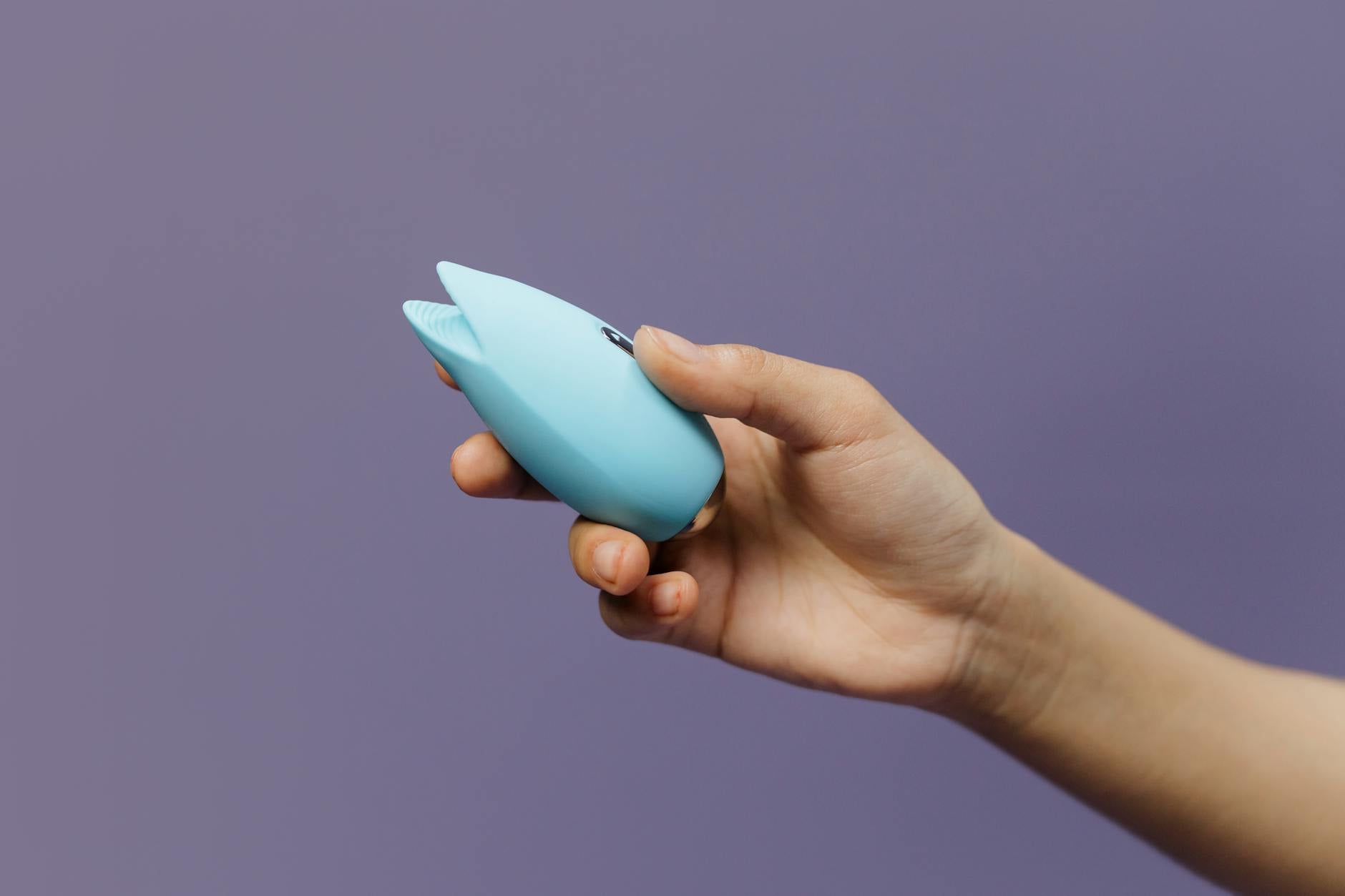
Then you can show them what you're thinking. Browse Shop Lemon Sex Toy's collection together if you want. Let them see the product. Suction-based toys like the Lem vibrator feel less aggressive than traditional vibrators, which sometimes helps partners feel less threatened by the idea.
Set an expectation: "I'm thinking we try it the next time we're together, or whenever feels right." Not immediately. Not with pressure. Just normal timing.
When your partner says no (or seems hesitant)
This is where it gets real. Hesitation is different from a firm no. Hesitation usually means fear or uncertainty, not rejection.
Don't push. Don't argue. Don't say "but everyone uses them." Instead, ask what they're actually worried about. Sometimes it's one of these:
"I feel like you're not satisfied with me." This is the big one. You address it directly: "That's not what this is. I love sex with you. This isn't about replacing you or feeling like you're not enough. It's about exploring sensation together. I want this to be something we do as a team."
"I think it's weird." Totally fair. You don't have to convince them it isn't. You can say: "I get that it feels unfamiliar right now. Most new things do. Would you be open to trying it once and seeing how it actually feels, or is this something you want to skip for now?" You're leaving room for a maybe.
"I worry it means you're not attracted to me anymore." This one deserves a longer answer, but the core is: "Wanting more pleasure doesn't mean I want less of you. A lemon vibrator is a tool, like a position or a touch. It's not a replacement."
If they say no and mean it, you have choices. You can drop it entirely. You can revisit in a few months (sometimes people come around). You can use it solo and keep that private. There's no rule that says everything has to be partnered, and there's no rule that says you have to share every desire.
The mechanics conversation (the bit people skip)
If they're in, talk about practicalities. How will you introduce the lemon vibrator into your routine? Will you use it during foreplay? Will they operate it? Will you? What does it feel like to them if they touch it or watch?
Some partners feel left out if they're just watching. Others are into it. Some want to hold it and direct it themselves. That's information you need before you're both in bed.
You might also mention: "Lemon vibrators use suction instead of vibration, so it feels really different. It's not scary. Want to see how it works?" Let them hold it. Let them turn it on. Demystify it before sex is involved.
What to actually do with a lemon vibrator together
If you've got a Lem vibrator or similar lemon clitoral vibrator, start low. You probably know your own body better than they do, so guide them. "This pattern feels good on me," or "Try starting at setting two and go from there." You're giving them information, not directing them.
Some partners love being involved in the pleasure. Some prefer to watch and let you guide. There's no correct version. What matters is that you're both comfortable and no one feels sidelined.
If it doesn't feel amazing the first time, that's normal. Toys take adjustment. You might need lube. You might need a different pattern or rhythm. You might realize you prefer using it solo. All of that is data, not failure.
The follow-up conversation (this matters)
After you've tried it together, check in. Not immediately after. Maybe the next day or the next week. "What did you think? Did that feel good to you?" You're collecting their actual experience, not your fantasy of how it went.
Their answer matters. If they loved it, great. Plan to use it again. If they felt neutral, you can ask what would make it better. If they hated it, you ask why and you listen. Maybe it was too intense. Maybe it didn't work with their rhythm. Maybe they felt awkward. All of that is solvable or acceptable.
The point is you're keeping communication open instead of letting it become this mysterious thing that happened once.
A note on pressure
Pressure is the fastest way to kill pleasure. It can look like:
Explaining endlessly why they should like it. Asking if they're ready to try it again too soon. Acting hurt or disappointed if they don't want to continue. Checking in obsessively about their pleasure during sex.
None of that works. What works is stating clearly what you want, listening to what they want, and finding the overlap. Sometimes the overlap is "yes, let's do this regularly." Sometimes it's "okay, once in a while." Sometimes it's "I'm not into this, but I support you exploring it on your own."
All of those are acceptable outcomes. The goal isn't to force your partner to love lemon vibrators. The goal is to be honest about your desires and to have a partner who respects them even if they don't share them.
When you're ready to actually shop
If you've had the conversation and you're both in, Shop Lemon Sex Toy has straightforward options. The beauty of a lemon clitoral vibrator is that it doesn't scream "adult toy." It's elegant, it doesn't look intimidating, and suction-based stimulation feels genuinely different from what most people have tried before.
You might browse together. You might pick something yourself. You might order and let them open it. There's no wrong logistics here. What matters is that the conversation happened and you're both moving forward with eyes open.
FAQ: Introducing toys to your partner
How do I bring this up if we've never talked about sex at all?
Start smaller. This conversation doesn't have to be about lemon vibrators specifically. It can be about pleasure in general. "I want us to talk more openly about what feels good to each of us." That's the base. Once you can talk about pleasure without shame, introducing a tool becomes much easier.
What if my partner gets defensive?
Defensiveness usually masks fear. They might hear "I want a vibrator" as "you're not enough." Address the fear directly instead of defending the toy. "I can tell this is hitting something for you. Talk to me about what you're feeling." You're curious about them, not pushing the agenda.
Is it okay to use a lemon vibrator solo if my partner doesn't want to be involved?
Completely. Your solo pleasure is your business. You don't need permission. That said, keeping it entirely secret can feel deceptive. If you're using a lemon clitoral vibrator regularly, your partner will probably figure it out eventually. It's cleaner to tell them upfront. "I'm going to explore this on my own, and I'm telling you because I respect you and our relationship."
Should I buy the toy before or after the conversation?
After. Don't show up with a lemon vibrator and say "surprise." That removes their agency in the decision. Have the conversation, get their input if they want to give it, then shop together or alone and bring it home. It feels collaborative instead of like you made a unilateral choice.
What if they say yes but then seems uncomfortable during sex?
Stop. Check in. "Is this still feeling good?" You're reading the room in real time. Pressure kills pleasure faster than almost anything. If they need a break, take one. If they want to stop using it, stop. You can revisit later when you've both had time to process.
How often should we use a lemon vibrator if we start?
There's no rule. Some couples integrate it every time. Some use it occasionally. Some try it once and never again. You'll figure out what works for your specific dynamic. The only bad frequency is the one that feels obligatory.
Can introducing a vibrator make my partner feel replaced?
It can if you're not thoughtful about how you frame it. That's why the conversation matters so much. If you position it as "this will make our sex life better together," it's an addition. If you position it as "I need this because you're not doing it for me," it's a replacement narrative. The toy is neutral. The meaning you both assign to it is everything.
The real bottom line
Introducing a lemon vibrator to your partner is less about the toy and more about vulnerability and trust. You're saying "I want more pleasure" and "I trust you enough to ask for it." Most partners, when they understand that's the actual message, respond with openness or at least willingness to understand.
Your job is to make the message clear, listen to what they need to hear, and then decide together what comes next. It's not about convincing them. It's about connecting.
If you want to explore this further, whether that's about communication strategies, intimacy building, or figuring out what tools might actually work for your specific dynamic, let's talk.