
How Lemon Vibrators Work With Partners Who Need More Time to Warm Up
Let's be real. One of you is ready to go in five minutes. The other needs twenty. And neither of you is wrong about it.
This mismatch in arousal speed is one of the most common relationship frictions I see in my practice, and it's also one of the easiest to solve once you stop treating it like a problem to fix and start treating it like information to work with. Lemon vibrators are surprisingly good at this because they shift the dynamic from "Why can't you be faster?" to "How can we both feel good together?" That's a fundamentally different conversation.
Here's what happens when arousal speeds don't align, why it matters, and exactly how lemon clitoral vibrators help.
Why the speed mismatch creates tension (even when you love each other)
The faster partner often feels rejected. You're turned on, ready, and your partner isn't there yet. That stings a little, even when you know it's not personal. Over time, that sting becomes resentment. You start initiating less. You assume rejection is inevitable.
The slower partner feels pressured. You can sense the urgency. There's an unspoken clock ticking. So instead of relaxing into arousal, you're now anxious about not being fast enough. Which, spoiler alert, makes arousal even slower.
Neither of you is enjoying this.
The tricky part is that this isn't a communication problem. You can talk about it perfectly and still hit the same wall because it's not about intention. It's about physiology. Some people's nervous systems activate faster. That's not a reflection of desire or love. It's just wiring.
What lemon vibrators actually do in this scenario
They hand control back to the person who needs more time. Not in a passive way. In an active, pleasurable way.
When a slower partner uses a lemon vibrator while you're together, three things shift at once.
First, the faster partner stops waiting. You're not sitting there trying to speed them up. You're both actively engaged. That pressure evaporates.
Second, the slower partner gets to build arousal on their own timeline without anxiety. A lemon vibrator's gentle, building intensity means you can start low and gradually turn up as you warm up. There's no external pressure. There's just pleasure that you control.
Third, you're both present with each other. You're watching, touching, being together while this is happening. That's radically different from one person trying to hurry while the other tries not to be hurried.
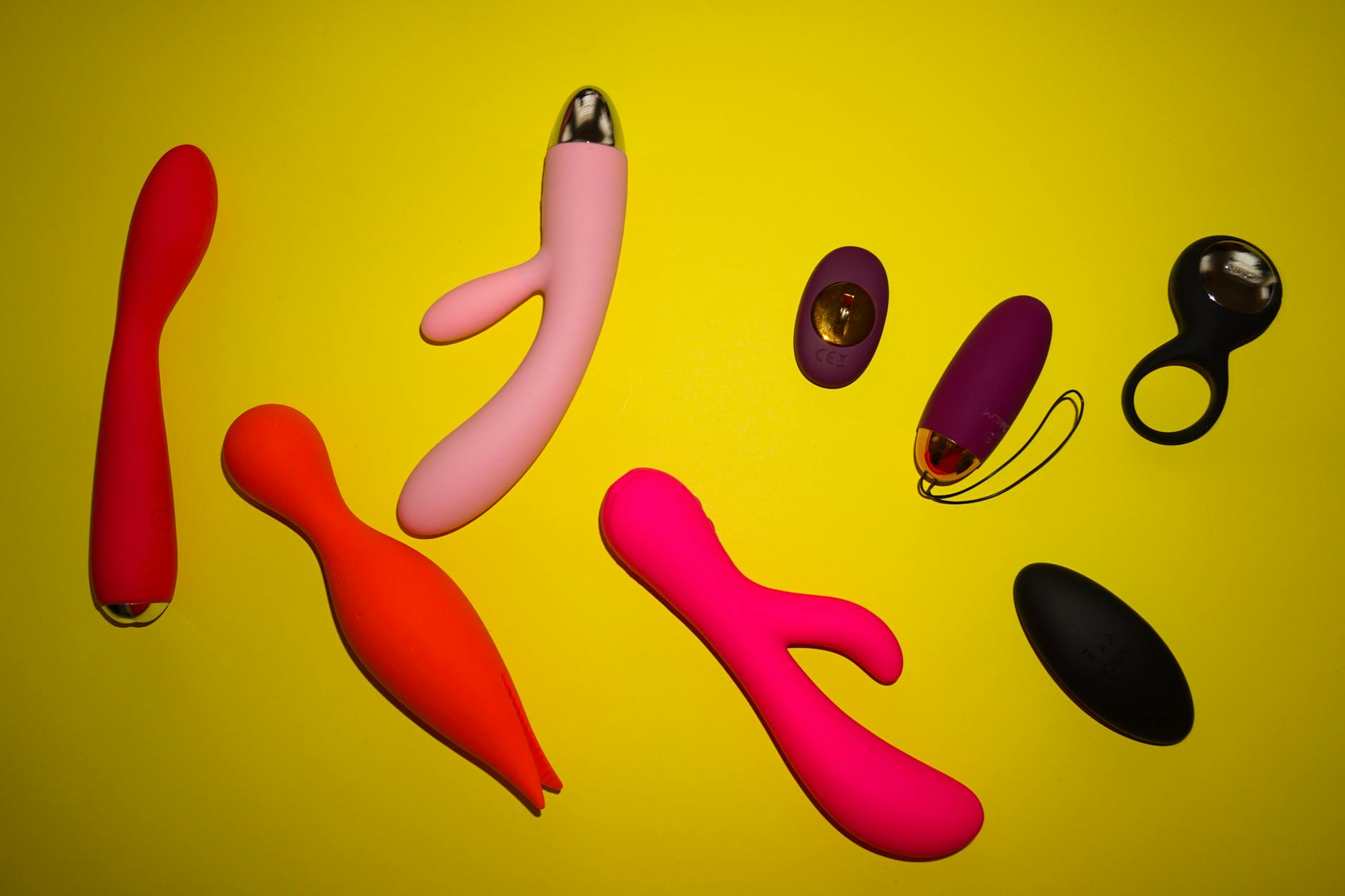
Photo by DRT.fm on Pexels
The practical setup that actually works
Honestly, the setup matters more than the tool. Here's what I recommend.
Start with a conversation before you're even close to intimate. Not during foreplay, not in the moment. Sit down and name the pattern. "Hey, I notice I tend to be ready faster, and you need more time to warm up. I don't want you to feel rushed, and I don't want to feel like I'm waiting. What if we tried something different?"
That opens the door without blame. Now you're problem-solving together instead of competing.
When you actually use the vibrator together, the slower partner should have it in their hand or positioned where they control it. Not the faster partner trying to orchestrate. Control matters psychologically. It removes the sense of being "done to."
Start with your bodies close but not necessarily having sex yet. Touch each other while the slower partner uses the lemon vibrator. Some people like external stimulation first, then penetration later. Some people like the vibrator the whole time. Some want it early and then switch. There's no script. The point is you're both present and the slower partner has the agency.
When arousal builds this way, the faster partner often finds that watching their partner's pleasure actually turns them on more. It's not a race anymore. It's a dance.
Why lemon vibrators specifically work better for this dynamic
Lemon clitoral vibrators are designed for sustained, building pleasure. They're not aggressive. They're precise. That matters for someone who needs to warm up slowly because there's no jarring intensity to trigger performance anxiety.
The pattern options on a lemon vibrator also mean the slower partner can adjust without stopping, without awkwardness. They're not fumbling around trying to figure out the next step. They can just gradually turn up the intensity as their body asks for it.
There's also something about the control and the simplicity that makes this feel less clinical and more intimate. You're not managing a complicated device together. You're just present with each other while one person uses something designed to feel good.
The conversation layer (this is the real part)
Here's the thing that actually matters most. Using lemon vibrators only works if you've also shifted how you talk about arousal speed. As long as one of you is holding the belief that "faster is better" or "if they really wanted me, they'd be ready sooner," the vibrator is just a band-aid.
You need to actually believe that different arousal speeds aren't a problem. They're information. They're permission to build intimacy differently. Some of the most connected couples I work with are the ones where one person warms up slower. They've learned that slow can be intentional. It can be deeper.
If the slower partner still feels shame about needing time, using a vibrator won't fix that. It'll just feel performative. So the real work is getting there together mentally first. Then the tool just makes the physical part easier.
When this approach starts to shift things
Most couples report a change within 3-4 times of trying this. Not because the vibrator is magic. Because the dynamic has shifted. There's no more pressure. There's intention. There's actual pleasure happening instead of anxious waiting.
You'll probably also notice that the slower partner starts warming up a bit faster over time, but not because they're forced. Because anxiety has dropped. Anxiety literally slows arousal. Once that's gone, the nervous system can actually relax.
That said, some people will always need more time to warm up, and that's completely okay. The point isn't to fix someone. It's to build a way of being intimate that honors both of your wiring.
When to see a specialist
If you've been trying this and one person is still experiencing performance anxiety or shame around arousal speed, talking to a couples therapist is worth it. Sometimes there's deeper stuff underneath. Previous relationship patterns, body image, trauma responses. A professional can help you untangle that in a way that's actually grounded in your relationship.
Also, if the slower arousal is new, that's worth a conversation with a doctor. Sometimes it's hormonal, sometimes it's medication-related, sometimes it's just a life stage thing. Getting that checked out takes the pressure off the relationship to fix something that might have a medical component.
The bottom line
When your partner needs more time to warm up, lemon vibrators aren't about speeding them up. They're about shifting the whole frame from "we have mismatched speed" to "we get to build this together on purpose." That's when intimacy actually deepens. You're not competing anymore. You're collaborating.
People also ask
What if my partner feels insecure about me using a vibrator?
That's actually a really common anxiety, and it usually stems from a belief that vibrators replace partners instead of complement them. Here's the reframe: a vibrator can't do what your partner does. It can't hold you, look at you, respond to you emotionally, or make you feel loved. It's a tool for sensation, not a substitute for connection. Some couples find it helpful to use the vibrator together from day one so there's no mystery or fear about it. Your partner gets to see that it's just about pleasure, and you're still very much present with them.
How long should it take for this to actually feel natural?
Most people need 4-6 times of incorporating a vibrator into intimacy before it stops feeling novel or awkward. That's totally normal. By the third or fourth time, you'll probably notice the conversation around it gets easier and the physical experience feels more integrated. If it never feels natural after 6-8 times, that might be worth exploring together. Sometimes the resistance isn't about the vibrator. It's about something else that deserves attention.
Can we use a lemon vibrator if we haven't talked about arousal speed yet?
Technically yes, but I wouldn't recommend it. Introducing a vibrator without context can actually feel like pressure to the slower partner, like you're trying to speed them up. The conversation is the foundation. The vibrator is just what you do after you've both agreed this is something you want to try. That conversation is where the real shift happens.
What if only one of us wants to try this?
Then you pause. You don't bring a vibrator into the bedroom to fix a dynamic that one person doesn't consent to. That just creates more resentment. What you do instead is have an actual conversation about why one person is hesitant. Is it discomfort? Is it shame? Is it a deeper relationship issue? Get curious about that first. The vibrator will still be there once you've addressed the real concern.
How do I know if our arousal speed mismatch is normal or a sign of bigger problems?
Normal arousal speed differences are usually just biological. You've always been this way. The faster person was always faster, even in previous relationships. The slower person always needed more time. That's just your nervous systems. Newer mismatches, especially if they're coupled with loss of desire or emotional distance, might signal something else is happening in the relationship. That's when professional support is really valuable.
Does this work if we're just dating and not in a long-term relationship yet?
Absolutely. Actually, earlier in a relationship, having this conversation can prevent years of misunderstanding. If you're already noticing that you have different arousal speeds, naming it early means you're not building resentment on top of a new connection. You're just working with the reality of how you both tick. That actually builds more intimacy faster.
References and sources
This post draws on principles from the Gottman Method of couples therapy, which emphasizes bid-and-response patterns in intimacy and the role of responsiveness in maintaining connection. Research on sexual response cycles (Masters & Johnson) shows that arousal speed varies widely and is influenced by neurological, hormonal, and psychological factors. The recommendation to externalize a problem (arousal speed mismatch) rather than blame either partner aligns with narrative therapy and emotion-focused couples therapy approaches used to rebuild connection.