
Here's the honest part
Arousal does change with age. It usually takes longer to build. But here's what nobody says clearly: longer doesn't mean impossible. It doesn't even mean worse. It means different. And different, once you understand it, can actually be better.
I work with a lot of people in their 40s, 50s, and beyond who've noticed arousal isn't as immediate as it used to be. The assumption is usually that something's broken. The reality is physiological, manageable, and honestly pretty interesting once you know what's happening.
What actually happens to arousal over time
Your brain didn't change. Your capacity for pleasure didn't change. What did shift is the speed at which blood flows to the genitals and the ease with which your nervous system moves into arousal mode.
In your 20s and 30s, arousal can arrive almost involuntarily. A look, a thought, friction. Your body responds fast because blood vessel elasticity is at peak, hormone levels are stable and robust, and your nervous system hasn't logged decades of stress and distraction.
After 40, that cascade slows down. Blood vessels are less elastic. Estrogen (if you have ovaries) or testosterone (if you have a penis) has declined, and that affects how quickly genital tissue responds to stimulation. Your nervous system has learned to stay in alert mode from work, family, and just living. Arousal requires more deliberate activation.
But here's what people miss: slower arousal can mean more control, more sensation, and honestly more pleasure if you know how to work with it.
Why this happens and what it actually means
Three physiological factors at play:
Vascular changes. Blood vessels become less elastic and slightly stiffer with age. The genital tissue depends on blood flow for engorgement and sensation. That takes longer to achieve. This isn't a deficiency. It's just a different timeline.
Hormone shifts. Testosterone drops gradually in people of all sexes after 30. Estrogen fluctuates or declines depending on your cycle status. These hormones directly affect neurotransmitters involved in desire. Less hormone doesn't mean zero desire. It means desire might need a little more scaffolding to build.
Nervous system patterning. After decades of work stress, family obligations, and mental load, your parasympathetic nervous system (the one that allows arousal) has to work harder to downregulate the sympathetic system (fight or flight). You're literally running on a different operating system than you were at 25.
The good news: you can work with all of this.
Why longer arousal time is actually an advantage
Most people frame this as a loss. Slower arousal equals less sex drive. That's wrong.
Slower arousal actually gives you something younger bodies rarely have: the ability to stay present. When arousal builds fast, it can feel automatic, sometimes almost impersonal. When it builds slowly, you feel it. You notice it. You can adjust it. You're not just riding a wave. You're steering it.
Many of my clients report that sex becomes more satisfying after 45 precisely because of this. You're not racing toward climax. You're exploring sensation. You're aware of your partner if you have one. You can actually feel your body waking up.
How lemon vibrators fit into this reality
Lemon clitoral vibrators work differently than traditional vibrators because they use air suction instead of pure vibration. This matters when arousal builds slowly.
Traditional vibrators rely on direct mechanical stimulation. Your tissues have to be engaged, alert, and responsive right away. Lemon vibrators use suction to create a gentler pressure wave across the clitoral complex. This accomplishes two things: it feels less urgent (which is actually helpful when you need mental space to shift into arousal mode), and it stimulates a wider area of nerve endings, which can feel more diffuse and easeful than pointed vibration.
When arousal takes longer to build, you want a tool that makes that journey feel good, not frustrating. Lemon clitoral vibrators are designed for exactly that. The suction pattern doesn't feel like you're being rushed. It feels like your body is being invited.
Practical steps for rebuilding arousal rhythm with age
Four things that actually work:
1. Budget more time. This is the foundational shift. If arousal took 5 minutes at 30 and takes 20 at 50, the solution is not a stronger toy. The solution is accepting that 20 minutes is your new normal and planning accordingly. Most of my clients find that once they stop fighting this, sex becomes less stressful and more enjoyable. You're not racing. You're exploring.
2. Warm up differently. Longer foreplay isn't just about the other person. It's about giving your own body time to wake up. Touch yourself. Notice what feels good. Read or watch something that resonates. Let your mind catch up with the decision to have pleasure. This isn't extra time. It's the actual time required.
3. Start lower. Lemon vibrators have multiple intensity settings. Start at pattern 1 or 2 instead of jumping to 5. Your tissues are more sensitive than they were, and your arousal pathway benefits from a gentler entry point. You can always build intensity. Starting too high just creates frustration.
4. Combine tools. A lemon clitoral vibrator paired with a partner's touch, or with your own mental engagement, or with something you're watching, works better than vibration alone. Arousal is multi-channel. Engage more than one at a time.
What changes mentally and emotionally
Here's what I see clinically: people who accept slower arousal often discover that their pleasure actually deepens.
When you're young and arousal arrives instantly, there's something almost performative about sex. You're doing the thing your body tells you to do. When arousal requires intention, you're making a choice. You're saying yes to pleasure deliberately. That shifts the entire experience from something that happens to you to something you're creating.
You also get permission to stop fighting your body's actual rhythm. That alone reduces the mental static that kills arousal. You're not thinking, "Why isn't this working as fast as it used to?" You're thinking, "Okay, I have 20 minutes to explore sensation." Completely different nervous system state.
If you're with a partner, this can also deepen intimacy. Slower foreplay means more communication, more exploration of what actually feels good instead of just going through the choreography you've always done.
When to check in with a professional
Slower arousal with age is normal. Arousal that disappears entirely is different. If you've lost interest in pleasure and it's not returning, that's worth discussing with a doctor or therapist.
Similarly, if arousal is painful, if there's vaginal dryness that's limiting, or if you're struggling with the emotional weight of these changes, those are things a menopause-trained GP or sex therapist can actually help with. Topical estrogen creams, testosterone therapy, or just a conversation about what's realistic can make a huge difference.
But if your arousal is just slower? That's not broken. That's age. And once you stop treating it like a problem, it usually becomes a feature.
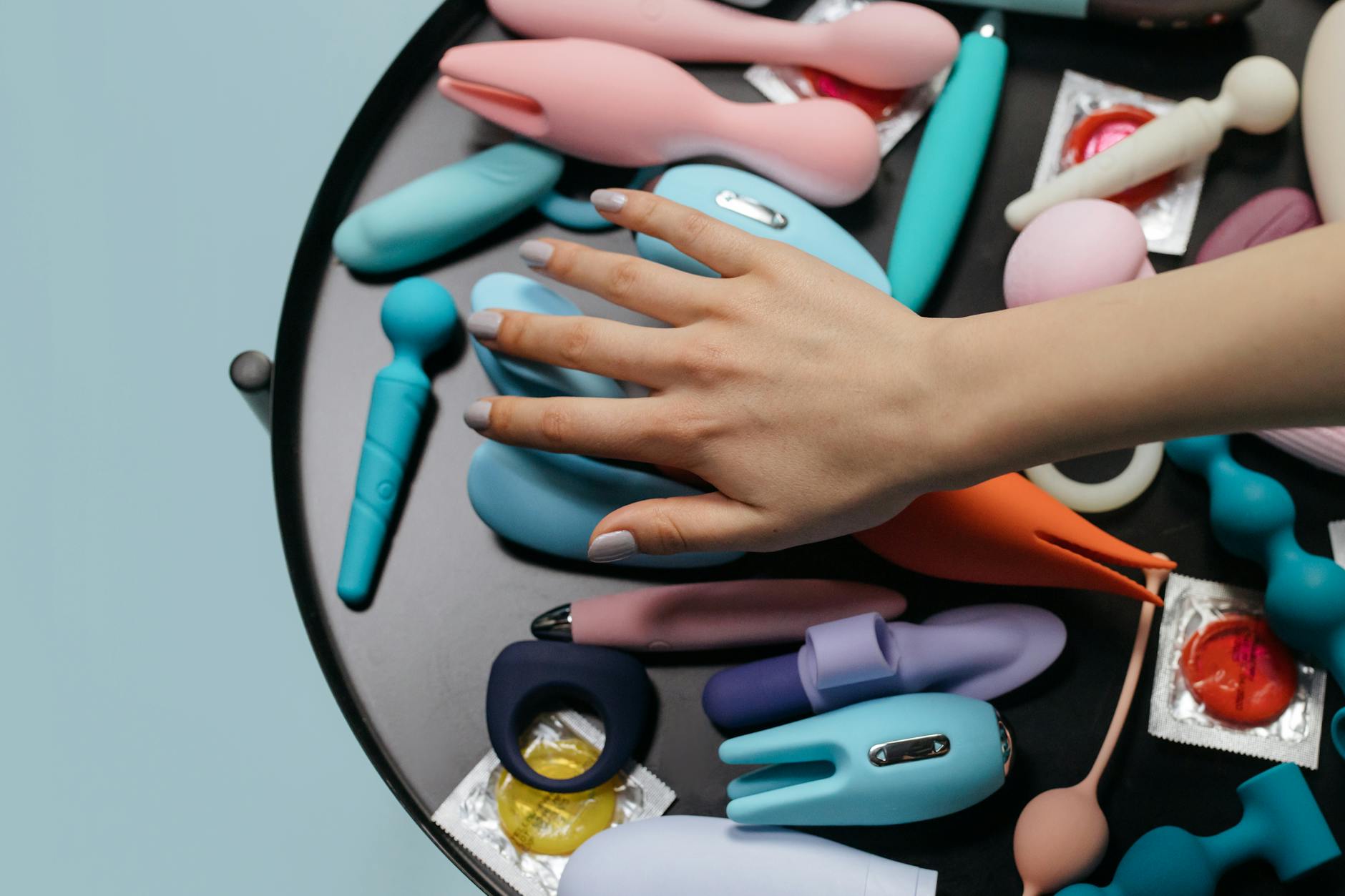
Photo by cottonbro studio on Pexels
The truth about desire and aging
Here's something research consistently shows: desire doesn't disappear with age. It transforms. You might want sex less frequently, but when you do want it, the experience can be deeper. The stakes feel different. You're not proving anything. You're just looking for pleasure.
Lemon vibrators work well for this exact transition because they're not aggressive. They're invitational. They don't demand that your body perform. They create space for sensation to arrive at its own pace.
Most of my clients who've switched to <a href="/blog/how-lemon-vibrators-compare-to-suction-toys-and-other-clitoral-vibrators">lemon clitoral vibrators</a> report that arousal feels less like a sprint and more like a walk. That's not settling. That's actually exactly what your nervous system needs.
FAQ: Arousal and aging with lemon vibrators
How much longer does arousal typically take as you age?
There's no universal answer, but many people notice arousal takes 15-30 minutes by their 50s compared to 5-10 in their 30s. Some people don't notice much change. Others find it shifts more dramatically. The point is that any change is normal, and budgeting more time usually solves the perceived problem.
Can a lemon vibrator actually speed up arousal?
Not exactly. What it does is make slower arousal feel better. The suction pattern is less demanding than traditional vibration, so it feels less like you're being rushed. But the real speed-up comes from accepting your new timeline and planning accordingly. The tool just makes the journey more pleasant.
Should I use a lemon vibrator if I've never used vibrators before?
Yes. Lemon vibrators are actually gentler than most options, which makes them good for people new to toys or for people whose sensitivity has changed. Start on the lowest setting and go slowly. <a href="/blog/how-to-use-lemon-vibrator-when-you-start-using-vibrators-later-in-life">Using a vibrator later in life is completely normal</a>, and there's no learning curve you need to overcome.
Does arousal difficulty mean I'm losing desire or interest in sex?
Not necessarily. You might be losing interest in the performance of sex (the choreography you've done for decades), but that's different from losing desire for actual pleasure. Many people find that once they separate those two things, they want sex more, not less. It just looks different.
How long should foreplay be if arousal takes longer?
Long enough for your body to actually shift into arousal mode. That might be 15 minutes. It might be 40. There's no timer. The point is that foreplay isn't filler. It's the actual event. When you reframe it that way, sex becomes less about reaching climax and more about enjoying sensation along the way.
Will using a lemon vibrator during this slower arousal phase change how my body responds?
It shouldn't change your baseline arousal speed. But many people find that using a tool they enjoy actually makes them want sex more frequently, which creates a positive feedback loop. You're not making your body faster. You're removing friction (literally and metaphorically) so you want to engage more often.
What this means for your pleasure going forward
Slower arousal isn't a decline. It's a redirect. Your body isn't breaking. It's shifting how it works, and there's actually research suggesting that people who accept these shifts report higher satisfaction with sex and with their bodies overall.
You get to stop fighting biology and start working with it. You get to take your time. You get to explore what actually feels good instead of rushing toward a finish line. That's not a compromise. That's an upgrade.
If you're noticing that arousal feels different or takes longer, a lemon vibrator designed for your actual body right now is worth exploring. Not as a fix for something broken, but as a tool built for the person you are. Reach out if you have questions about what might work for you. We're here for that conversation.